Conclusion first:
The future of lifestyle and consumption is not niche—it is omnivorous.
Age, generation, and traditional taste boundaries no longer define what people enjoy.
From 20-somethings and 50-somethings sharing the same whiskey bar ambience, to products loved across generations, “Omnivore Taste” is becoming the dominant cultural force.
This shift is reshaping retail, branding, hospitality, and content creation.
And it is happening faster than most people realize.
What Does “Omnivore Taste” Really Mean?
“Omnivore” no longer refers only to food.
In culture, it means consuming across categories without prejudice.
From Labels to Curiosity
Omnivore taste means:
- No strict age rules
- No genre loyalty
- No “this is not for people like me”
People explore first.
They judge later.
A vinyl record collector may use AI tools.
A digital native may prefer analog notebooks.
A retired professional and a college graduate may enjoy the same space—for different reasons.

Warm Digital: Re‑Interpreting Scripture and Compassion in a Lonely, Modern World
Why Omnivore Culture Is Growing So Fast
The rise of omnivore taste is not accidental.
It is driven by structural changes in society.
1. The Collapse of Age-Based Identity
In the past:
- Music had age groups
- Fashion had age limits
- Leisure had rules
Today:
- Algorithms replace gatekeepers
- Platforms flatten generations
- Identity becomes modular
People pick what fits their mood, not their birth year.
Reimagining Diabetes Care: Breakthrough Insights from Kyoto University
2. Experience Matters More Than Status
Modern consumers value:
- Atmosphere
- Story
- Sensory depth
They care less about:
- Trend labels
- “Age-appropriate” norms
- Social approval
This is why shared spaces thrive.
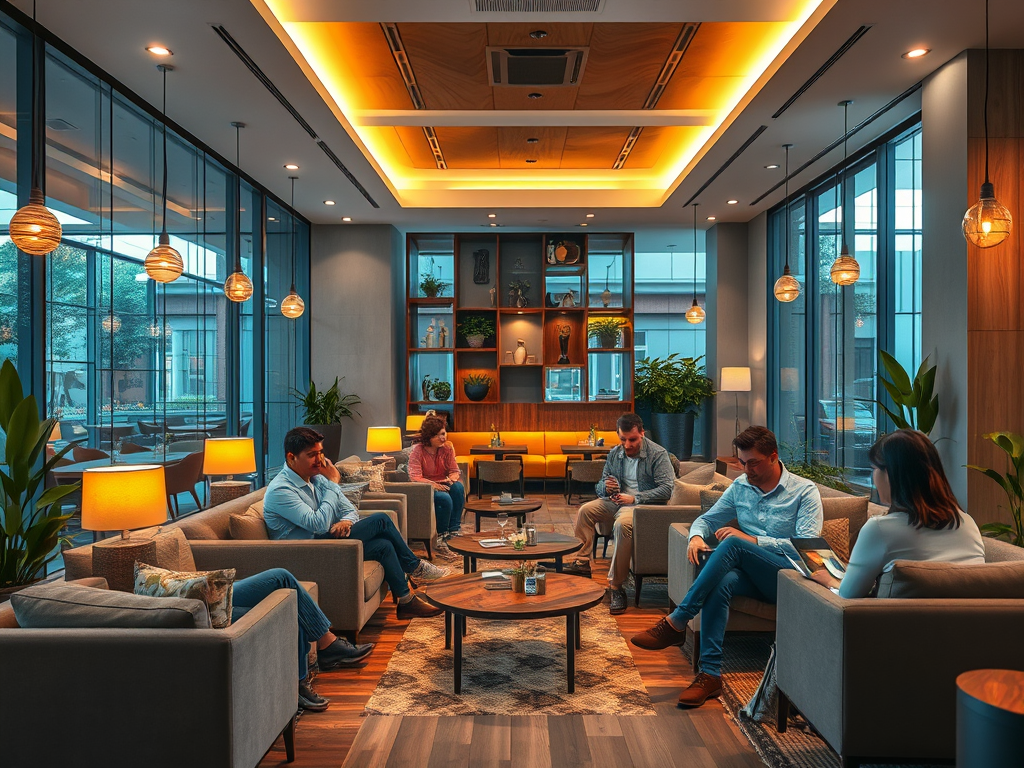
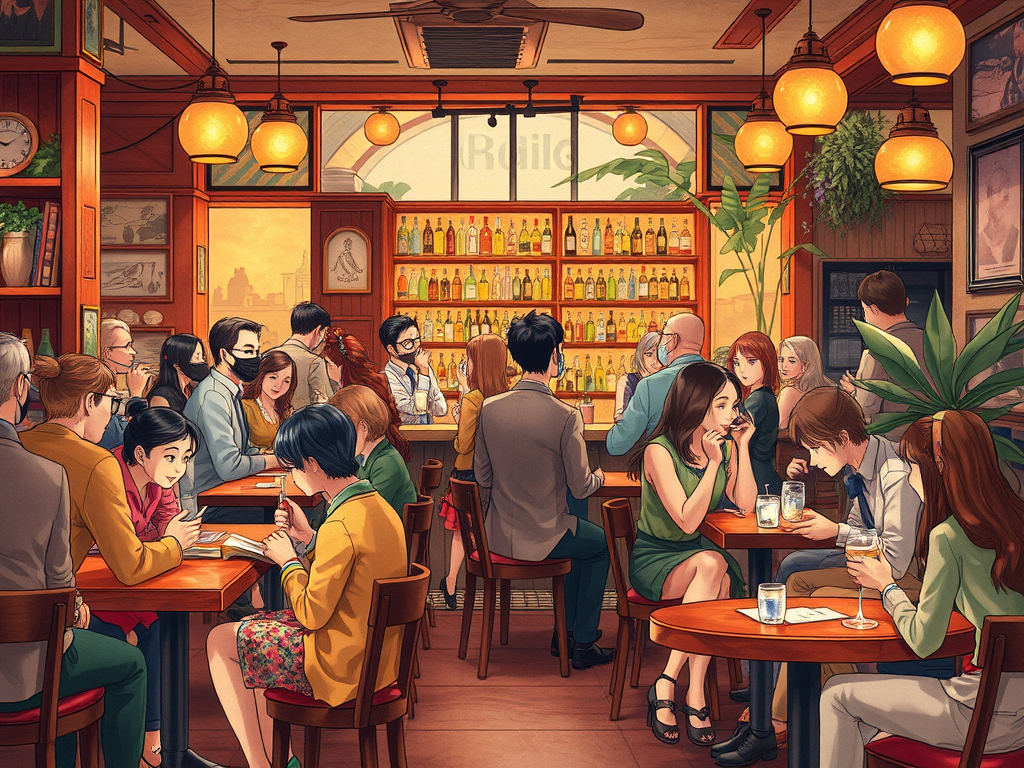
Case Study: Why Multi-Generation Whiskey Bars Work
This is not about alcohol consumption.
It is about space, ritual, and design.
A Shared Language of Calm
What attracts different generations to the same bar environment?
- Quiet lighting
- Slow pacing
- Craftsmanship
- Storytelling
For younger visitors:
- It feels intentional
- It feels different from loud nightlife
For older visitors:
- It feels familiar
- It respects time and detail
The drink becomes secondary.
The environment is primary.
Design Over Demographics
Successful omnivore spaces focus on:
- Texture
- Materials
- Sound control
- Seating comfort
Not age marketing.
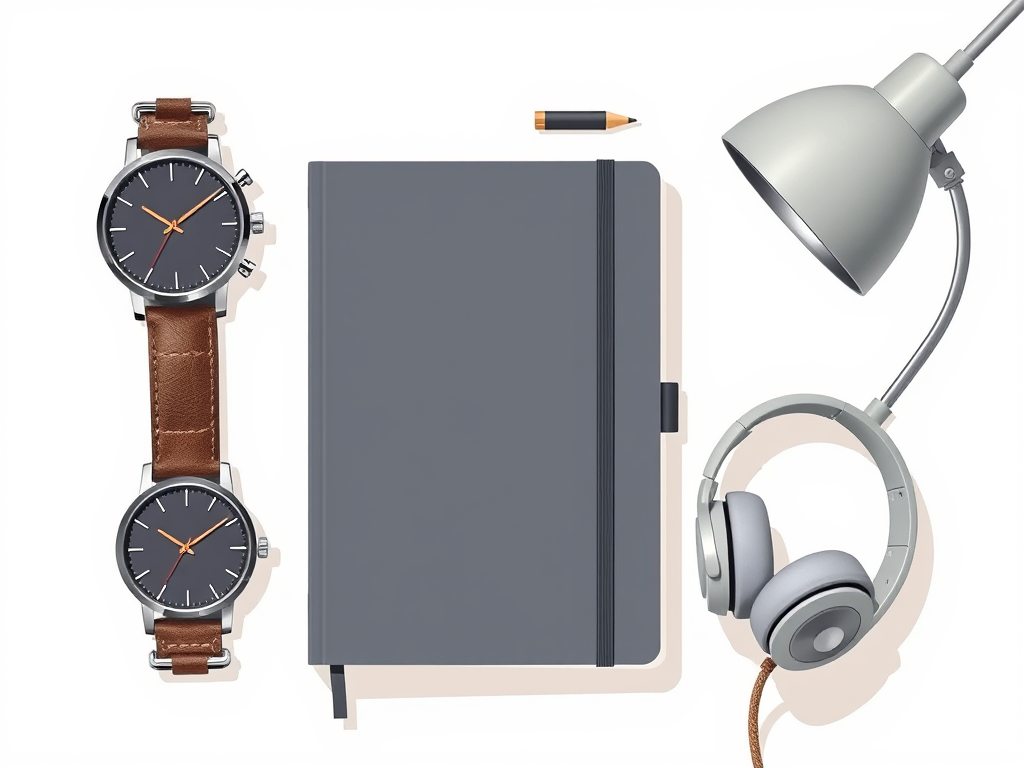
Omnivore Products: Loved Across Generations
Some products naturally attract omnivore audiences.
Characteristics of Omnivore-Friendly Products
They usually have:
- Timeless design
- Functional excellence
- Emotional storytelling
- No forced “youth” or “senior” branding
Examples (Non-Age Specific)
- Mechanical watches
- High-quality headphones
- Leather goods
- Minimalist furniture
- Specialty notebooks
- Classic fragrances
These products age well—just like their users.
Omnivore Thinking in Branding and Marketing
Brands that win today do not target age.
They target mindset.
Speak to Motivation, Not Demographics
Instead of:
- “For Millennials”
- “For Seniors”
Successful brands ask:
- What problem does this solve?
- What feeling does it create?
- What story does it tell?
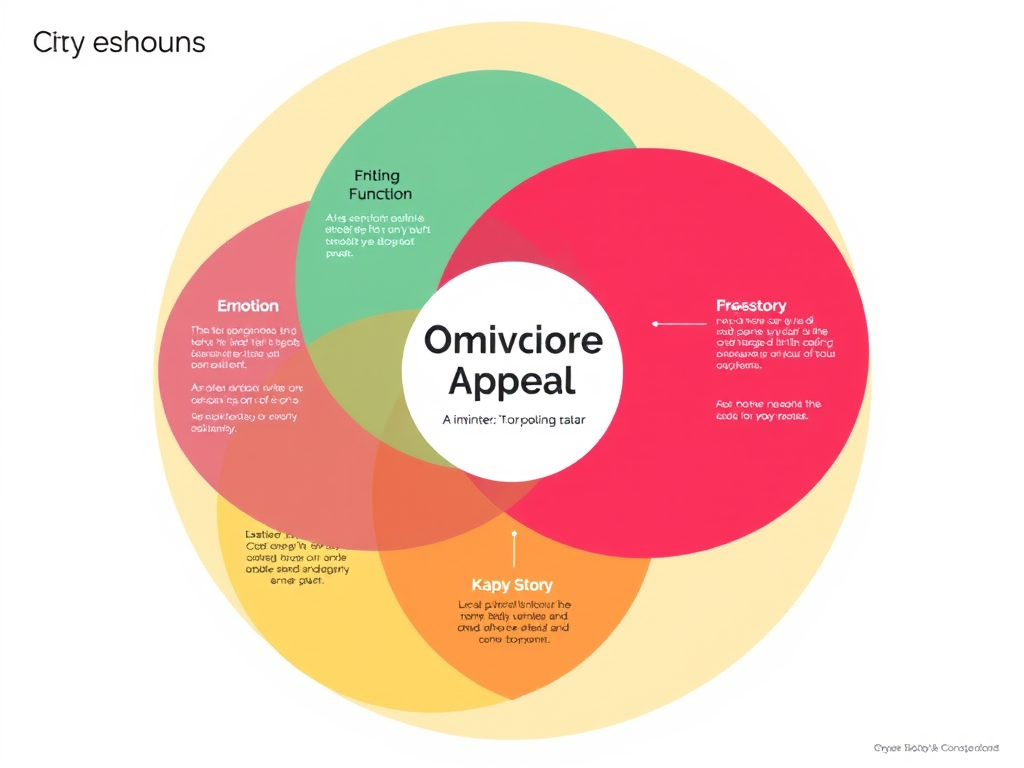
Content That Works Across Generations
Effective omnivore content:
- Avoids slang dependency
- Focuses on clarity
- Respects intelligence
- Explains without talking down
Omnivore Lifestyle and the Future of Leisure
Leisure is becoming:
- Slower
- Deeper
- More intentional
People mix:
- Digital and analog
- Old and new
- Fast and slow
This is not nostalgia.
It is balance.
Why This Matters for Creators and Businesses
If you create content, products, or services:
- Design for curiosity
- Remove age assumptions
- Build layered experiences
The omnivore audience is larger than any niche.

SEO Perspective: Why “Omnivore” Is a Powerful Concept
From an SEO standpoint, omnivore culture connects multiple high-interest keywords:
- Lifestyle trends
- Cross-generational marketing
- Experiential spaces
- Timeless design
- Modern consumer behavior
This allows:
- Broader reach
- Longer content lifespan
- Higher engagement
Common Mistakes When Targeting Omnivore Audiences
Mistake 1: Trying to Please Everyone
Omnivore does not mean bland.
It means layered.
Mistake 2: Over-Explaining
Trust your audience’s intelligence.
Mistake 3: Age Signaling
Avoid phrases like:
- “For young people”
- “For older adults”
Let the experience speak.
Final Summary
Key Takeaways
- Omnivore taste is the future of culture
- Age boundaries are dissolving
- Experience beats demographic targeting
- Shared spaces and timeless products thrive
- Branding should focus on mindset, not age
Core Tips (Quick Reference)
- Design for curiosity
- Build atmosphere before product
- Tell stories, not categories
- Respect all generations equally
- Remove artificial boundaries
One Sentence to Remember
The most successful cultures and brands today are built not for an age group—but for human curiosity.
<< You Might Also Like >>
“Korea’s Secret Winter Escapes: Hidden Gems Beyond Seoul”
Stream Your Favorites Faster & Better! 📺
Why wait? Upgrade to Amazon Fire TV and enjoy lightning-fast streaming and thousands of apps at your fingertips. It’s time to level up your TV game! 🚀
Leave a Reply to “Cozy Winter Drinks: Hot Beverage Recipes to Keep You Warm” Cancel reply