Conclusion First:
Diabetes treatment is entering a new era.
Not through louder promises, but through quieter science.
From pancreatic cell sheet transplantation developed at Kyoto University to gene-editing and next-generation drugs like GLP-1 therapies, researchers are moving beyond symptom control toward functional restoration.
This is not a cure yet—but it is the most meaningful shift in decades.
Why Diabetes Research Is at a Turning Point
Diabetes is no longer a niche disease.
It is a global structural problem.
- Hundreds of millions are affected worldwide
- Cases are rising among younger populations
- Long-term complications strain healthcare systems
For decades, treatment meant management.
Now, research aims at replacement, regeneration, and precision control.
That distinction matters.
The Quiet Power of Kindness: How Small Acts Create a Gentle, Lasting Impact
Understanding Diabetes Before Understanding the Breakthroughs
Two Diseases, One Name
Diabetes is not a single condition.
Type 1 Diabetes — An Immune System Problem
Type 1 diabetes is an autoimmune disease.
- The immune system attacks pancreatic beta cells
- Insulin production stops
- It often begins in childhood or adolescence
Currently, insulin administration is essential for survival.
There is no established curative treatment.
Type 2 Diabetes — A Metabolic Control Failure
Type 2 diabetes is far more common.
- Insulin is produced
- But the body does not respond effectively
- Causes include obesity, genetics, aging, and diet
About 90% of diabetic patients fall into this category.
Treatment ranges from lifestyle changes to medication and insulin.
Short-Form Content and the Brain: How Fast Media Shapes Focus, Emotion, and Attention
A Radical Idea from Kyoto: Turning Cells into Sheets
Pancreatic Cell Sheet Transplantation Explained
At Kyoto University Hospital, researchers are exploring a novel concept.
Instead of injecting insulin, they aim to restore insulin production itself.
The method involves:
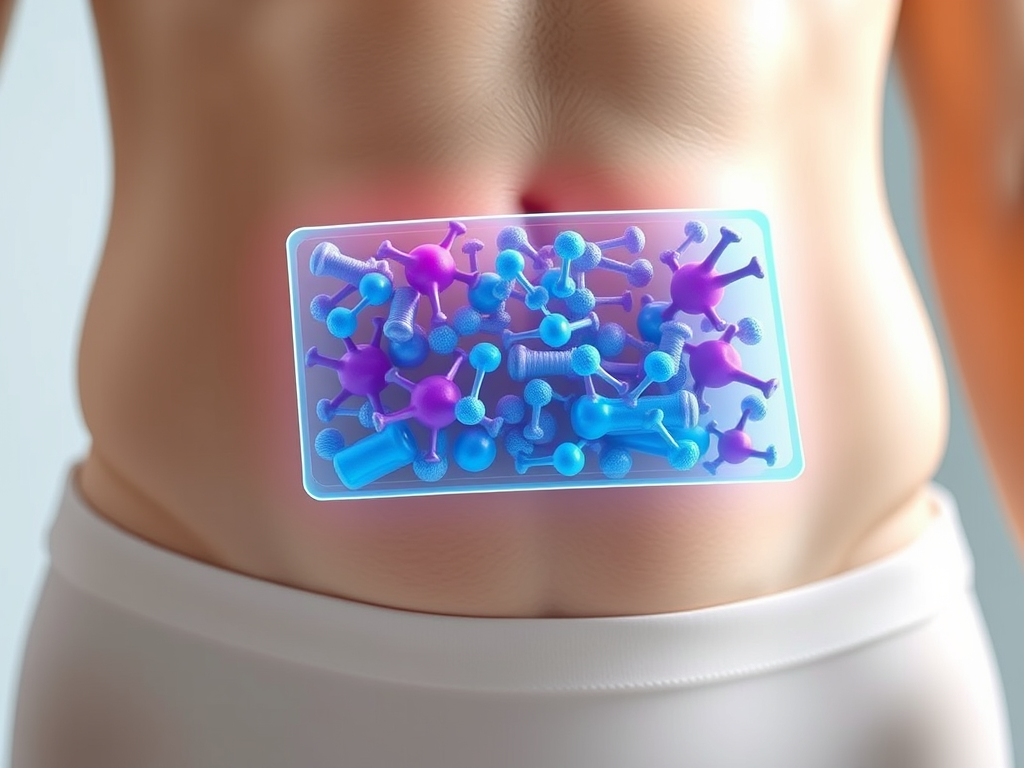
- Processing pancreatic cells into thin, square sheet forms
- Transplanting them under the abdominal area
- Allowing the cells to function as insulin-producing tissue
This approach is designed to improve cell survival and integration.
Why the “Sheet” Format Matters
Traditional cell injections face challenges:
- Cells disperse
- Survival rates are low
- Immune rejection risks remain
Cell sheets allow:
- Better structural stability
- Improved blood supply
- More predictable function
Clinical trials are being prepared, and the research community is watching closely.
“Scientific illustration of pancreatic cells arranged into a thin sheet and transplanted under the abdominal skin, clean medical infographic style, non-graphic, educational tone.”

The Omnivore Generation: Taste Without Borders
Stem Cells and iPS Technology: Rebuilding from Scratch
What Are Pluripotent Stem Cells?
Induced pluripotent stem cells (iPS cells) can:
- Become many cell types
- Be derived from adult cells
- Reduce ethical concerns compared to embryonic stem cells
In diabetes research, the goal is to create functional pancreatic beta cells.
The Promise — and the Limits
Potential advantages:
- Personalized cell therapy
- Reduced need for lifelong insulin
- Improved glucose regulation
Current challenges:
- Immune system compatibility
- Long-term safety
- Manufacturing consistency
This is frontier science, not a finished product.
Gene Editing Enters the Picture
CRISPR and Type 1 Diabetes Research
Some biotechnology companies are exploring gene-editing approaches.
The idea is to:
- Protect transplanted cells from immune attack
- Modify immune responses
- Enable long-lasting insulin production
CRISPR technology allows precise genetic changes.
Why This Matters
If immune rejection can be controlled:
- Transplanted cells survive longer
- Fewer immunosuppressive drugs are needed
- Treatment becomes more sustainable
This research is still experimental, but conceptually powerful.
GLP-1 Drugs: The Current Game Changer for Type 2 Diabetes
Why GLP-1 Medications Are in the Spotlight
GLP-1 receptor agonists have transformed type 2 diabetes care.
They work by:
- Enhancing insulin secretion
- Suppressing appetite
- Slowing gastric emptying
Examples include widely discussed medications used globally today.
Beyond Blood Sugar Control
These drugs have shown benefits beyond glucose regulation:
- Weight reduction
- Cardiovascular risk improvement
- Better adherence compared to older therapies
They do not cure diabetes.
But they significantly improve quality of life.
“Clean medical illustration showing how GLP-1 medications act on the pancreas, stomach, and brain, simple labels, educational infographic style.”

Why Type 2 Diabetes Is Rising Among Younger People
A Lifestyle and Environment Problem
The rise among younger populations is concerning.
Contributing factors include:
- Sedentary behavior
- Processed diets
- Chronic stress
- Sleep disruption
Medical innovation alone is not enough.
Prevention remains essential.
Comparing Old and New Approaches
From Management to Functional Restoration
Traditional approach:
- Insulin injections
- Oral medications
- Lifestyle control
Emerging approach:
- Cell replacement
- Regenerative medicine
- Precision drugs
This shift mirrors changes seen in other chronic diseases.
“Side-by-side comparison infographic of traditional insulin injections versus future cell-based diabetes treatments, clean modern medical design.”

Quality of Life: The Often Overlooked Outcome
Why Innovation Matters Beyond Survival
Living with diabetes involves:
- Constant monitoring
- Fear of complications
- Psychological burden
New treatments aim to reduce:
- Daily decision fatigue
- Long-term organ damage
- Emotional stress
Quality of life is now a core research goal.
Caution Is Still Necessary
What These Breakthroughs Do NOT Mean (Yet)
Important clarifications:
- These are not universal cures
- Many approaches are still in trials
- Long-term safety data is limited
Hope must be paired with patience.
Responsible reporting matters.
The Bigger Picture: Diabetes as a Global Challenge
Why the World Is Investing Heavily in Research
Diabetes affects:
- Healthcare costs
- Workforce productivity
- Family systems
Breakthroughs here influence how we approach other chronic diseases.
Diabetes research is a blueprint for future medicine.
What Patients and Families Should Know Today
Practical Perspective
For now:
- Follow medical guidance
- Stay informed, not overwhelmed
- Understand research timelines are long
Scientific progress is real.
But clinical adoption takes time.
Final Reflection: A Quiet Revolution in Medicine
The most important medical advances rarely arrive loudly.
They arrive:
- In laboratories
- In clinical protocols
- In carefully monitored trials
Diabetes research today reflects that pattern.
The future is not sudden.
But it is moving.
Summary
- Diabetes research is shifting toward regeneration
- Kyoto University’s cell sheet technology is promising
- iPS cells and gene editing expand future options
- GLP-1 drugs redefine current type 2 care
- Quality of life is becoming central
- Caution and patience remain essential
Key Takeaways for Readers
- Diabetes is not one disease
- New treatments aim at function, not just control
- Not all breakthroughs are ready for clinical use
- Innovation must be paired with safety
- The next decade will redefine diabetes care
It’s never too late to learn, grow, and discover new possibilities.
Explore the books of Han Jong-Woo, where artificial intelligence, lifelong learning, personal growth, and meaningful living come together to inspire your next chapter.
Whether you’re curious about AI, seeking purpose, or simply looking for fresh inspiration, you’ll find books designed to encourage, empower, and enrich your life.
▶ Visit Han Jong-Woo’s Amazon Author Page and discover all of his books today.
Leave a Reply