Conclusion First:
Diabetes treatment is entering a new era.
Not through louder promises, but through quieter science.
From pancreatic cell sheet transplantation developed at Kyoto University to gene-editing and next-generation drugs like GLP-1 therapies, researchers are moving beyond symptom control toward functional restoration.
This is not a cure yet—but it is the most meaningful shift in decades.
Why Diabetes Research Is at a Turning Point
Diabetes is no longer a niche disease.
It is a global structural problem.
- Hundreds of millions are affected worldwide
- Cases are rising among younger populations
- Long-term complications strain healthcare systems
For decades, treatment meant management.
Now, research aims at replacement, regeneration, and precision control.
That distinction matters.
The Quiet Power of Kindness: How Small Acts Create a Gentle, Lasting Impact
Understanding Diabetes Before Understanding the Breakthroughs
Two Diseases, One Name
Diabetes is not a single condition.
Type 1 Diabetes — An Immune System Problem
Type 1 diabetes is an autoimmune disease.
- The immune system attacks pancreatic beta cells
- Insulin production stops
- It often begins in childhood or adolescence
Currently, insulin administration is essential for survival.
There is no established curative treatment.
Type 2 Diabetes — A Metabolic Control Failure
Type 2 diabetes is far more common.
- Insulin is produced
- But the body does not respond effectively
- Causes include obesity, genetics, aging, and diet
About 90% of diabetic patients fall into this category.
Treatment ranges from lifestyle changes to medication and insulin.
Short-Form Content and the Brain: How Fast Media Shapes Focus, Emotion, and Attention
A Radical Idea from Kyoto: Turning Cells into Sheets
Pancreatic Cell Sheet Transplantation Explained
At Kyoto University Hospital, researchers are exploring a novel concept.
Instead of injecting insulin, they aim to restore insulin production itself.
The method involves:
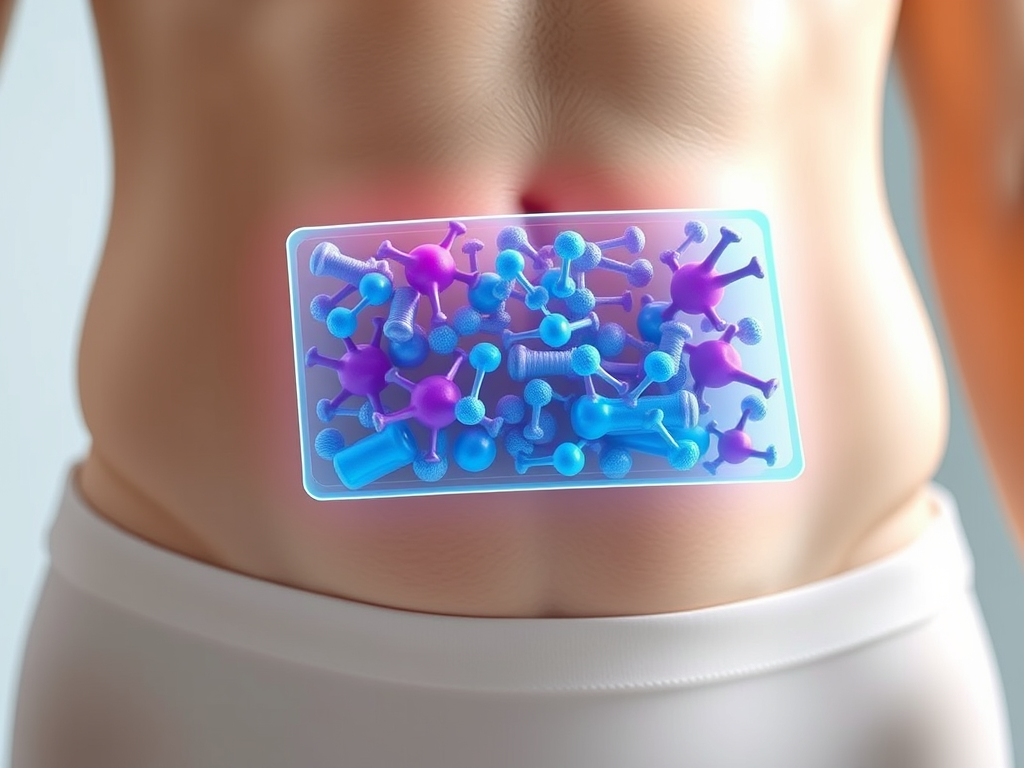
- Processing pancreatic cells into thin, square sheet forms
- Transplanting them under the abdominal area
- Allowing the cells to function as insulin-producing tissue
This approach is designed to improve cell survival and integration.
Why the “Sheet” Format Matters
Traditional cell injections face challenges:
- Cells disperse
- Survival rates are low
- Immune rejection risks remain
Cell sheets allow:
- Better structural stability
- Improved blood supply
- More predictable function
Clinical trials are being prepared, and the research community is watching closely.
“Scientific illustration of pancreatic cells arranged into a thin sheet and transplanted under the abdominal skin, clean medical infographic style, non-graphic, educational tone.”

The Omnivore Generation: Taste Without Borders
Stem Cells and iPS Technology: Rebuilding from Scratch
What Are Pluripotent Stem Cells?
Induced pluripotent stem cells (iPS cells) can:
- Become many cell types
- Be derived from adult cells
- Reduce ethical concerns compared to embryonic stem cells
In diabetes research, the goal is to create functional pancreatic beta cells.
The Promise — and the Limits
Potential advantages:
- Personalized cell therapy
- Reduced need for lifelong insulin
- Improved glucose regulation
Current challenges:
- Immune system compatibility
- Long-term safety
- Manufacturing consistency
This is frontier science, not a finished product.
Gene Editing Enters the Picture
CRISPR and Type 1 Diabetes Research
Some biotechnology companies are exploring gene-editing approaches.
The idea is to:
- Protect transplanted cells from immune attack
- Modify immune responses
- Enable long-lasting insulin production
CRISPR technology allows precise genetic changes.
Why This Matters
If immune rejection can be controlled:
- Transplanted cells survive longer
- Fewer immunosuppressive drugs are needed
- Treatment becomes more sustainable
This research is still experimental, but conceptually powerful.
GLP-1 Drugs: The Current Game Changer for Type 2 Diabetes
Why GLP-1 Medications Are in the Spotlight
GLP-1 receptor agonists have transformed type 2 diabetes care.
They work by:
- Enhancing insulin secretion
- Suppressing appetite
- Slowing gastric emptying
Examples include widely discussed medications used globally today.
Beyond Blood Sugar Control
These drugs have shown benefits beyond glucose regulation:
- Weight reduction
- Cardiovascular risk improvement
- Better adherence compared to older therapies
They do not cure diabetes.
But they significantly improve quality of life.
“Clean medical illustration showing how GLP-1 medications act on the pancreas, stomach, and brain, simple labels, educational infographic style.”

Why Type 2 Diabetes Is Rising Among Younger People
A Lifestyle and Environment Problem
The rise among younger populations is concerning.
Contributing factors include:
- Sedentary behavior
- Processed diets
- Chronic stress
- Sleep disruption
Medical innovation alone is not enough.
Prevention remains essential.
Comparing Old and New Approaches
From Management to Functional Restoration
Traditional approach:
- Insulin injections
- Oral medications
- Lifestyle control
Emerging approach:
- Cell replacement
- Regenerative medicine
- Precision drugs
This shift mirrors changes seen in other chronic diseases.
“Side-by-side comparison infographic of traditional insulin injections versus future cell-based diabetes treatments, clean modern medical design.”

Quality of Life: The Often Overlooked Outcome
Why Innovation Matters Beyond Survival
Living with diabetes involves:
- Constant monitoring
- Fear of complications
- Psychological burden
New treatments aim to reduce:
- Daily decision fatigue
- Long-term organ damage
- Emotional stress
Quality of life is now a core research goal.
Caution Is Still Necessary
What These Breakthroughs Do NOT Mean (Yet)
Important clarifications:
- These are not universal cures
- Many approaches are still in trials
- Long-term safety data is limited
Hope must be paired with patience.
Responsible reporting matters.
The Bigger Picture: Diabetes as a Global Challenge
Why the World Is Investing Heavily in Research
Diabetes affects:
- Healthcare costs
- Workforce productivity
- Family systems
Breakthroughs here influence how we approach other chronic diseases.
Diabetes research is a blueprint for future medicine.
What Patients and Families Should Know Today
Practical Perspective
For now:
- Follow medical guidance
- Stay informed, not overwhelmed
- Understand research timelines are long
Scientific progress is real.
But clinical adoption takes time.
Final Reflection: A Quiet Revolution in Medicine
The most important medical advances rarely arrive loudly.
They arrive:
- In laboratories
- In clinical protocols
- In carefully monitored trials
Diabetes research today reflects that pattern.
The future is not sudden.
But it is moving.
Summary
- Diabetes research is shifting toward regeneration
- Kyoto University’s cell sheet technology is promising
- iPS cells and gene editing expand future options
- GLP-1 drugs redefine current type 2 care
- Quality of life is becoming central
- Caution and patience remain essential
Key Takeaways for Readers
- Diabetes is not one disease
- New treatments aim at function, not just control
- Not all breakthroughs are ready for clinical use
- Innovation must be paired with safety
- The next decade will redefine diabetes care
Upgrade Your Home Cinema Experience! 🍿
Get ready to dive into a world of endless entertainment with the Amazon Fire TV. From the latest movies to your favorite TV shows, everything is just a click away. Experience stunning picture quality and seamless streaming like never before.
Leave a Reply to Lighting a Windowless Home Office: The Ultimate Guide to Boosting Energy and Productivity Cancel reply