✏️ Full Article Content
Hook/Introduction
Have you ever dreamed of experiencing a Korean winter that goes beyond the crowded streets of Seoul’s Myeongdong or the typical tourist trails? While most travelers flock to the same handful of destinations, South Korea hides some of the most breathtaking winter wonderlands that remain blissfully under the radar.
This winter, South Korea’s hidden gems are calling. From steaming natural hot springs nestled in mountain valleys to charming coastal towns blanketed in pristine snow, these seven destinations offer something truly special: authentic Korean winter experiences without the crowds.
Whether you’re craving the therapeutic warmth of volcanic hot springs, the thrill of skiing on uncrowded slopes, or the magic of traditional winter festivals, these secret spots will transform your 2025 winter vacation into an unforgettable adventure.
Why Choose Hidden Gems Over Popular Destinations?
Let’s be honest-there’s nothing wrong with Seoul’s Christmas markets or Busan’s beaches. But if you’ve been there, done that, or simply want to experience Korea like a local, hidden destinations offer something money can’t buy: authenticity.
Here’s what makes hidden gems special:
- Fewer crowds mean better photos, more personal experiences, and genuine interactions with locals
- Lower prices on accommodations, food, and activities compared to tourist hotspots
- Authentic culture that hasn’t been diluted by mass tourism
- Unique experiences you won’t find in standard travel guides
- Instagram-worthy moments without fighting for the perfect shot
Plus, visiting lesser-known destinations supports local communities and promotes sustainable tourism-a win-win for everyone.
1. Jeongseon, Gangwon Province – The Alpine Paradise
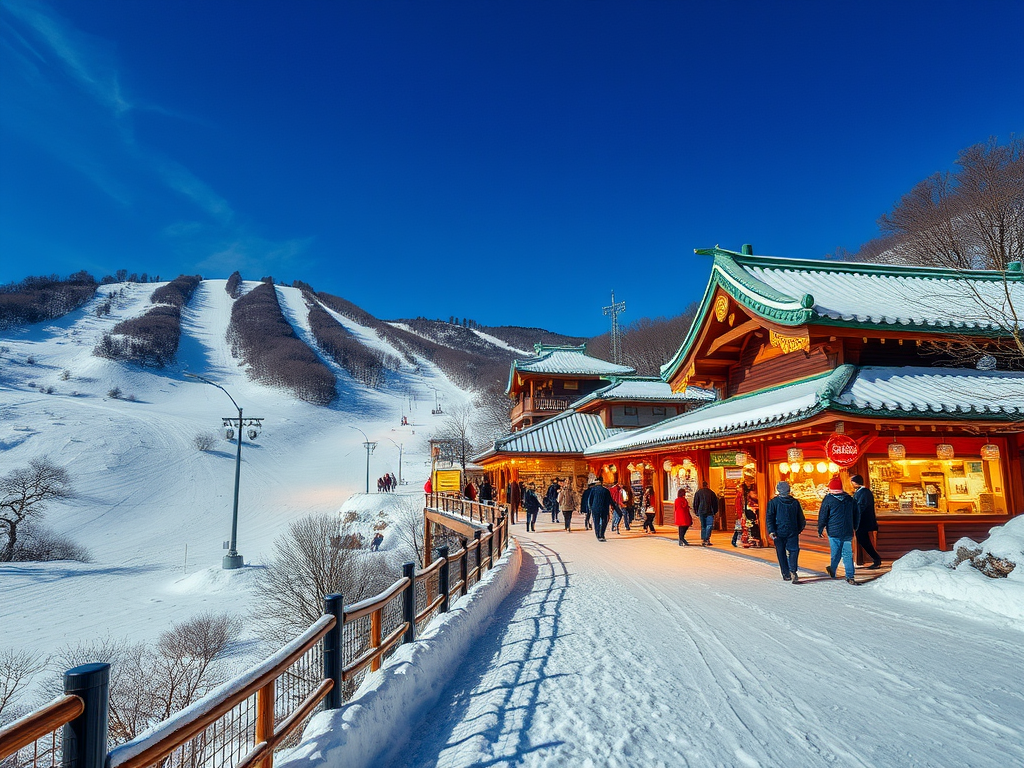
Tucked away in the Taebaek Mountains, Jeongseon is South Korea’s best-kept winter secret. This alpine town offers everything winter enthusiasts crave: world-class skiing, stunning mountain scenery, and authentic Korean mountain village charm.
- High1 Ski Resort: Korea’s highest ski resort (1,345m above sea level) with 18 slopes and significantly fewer crowds than popular resorts like Yongpyong
- Jeongseon Arirang Market: A traditional five-day market where you can sample mountain delicacies and warm up with makgeolli (rice wine)
- Samtan Art Mine: A decommissioned coal mine transformed into a fascinating underground art space-hauntingly beautiful in winter
Insider Tips:
- Visit on market days (days ending in 2 or 7) for the full cultural experience
- Try gondeure-namul-bap (thistle herb rice), a local specialty
- Book the resort’s night skiing sessions for magical snowy slopes under the stars
Best Time to Visit: Late December to early February for optimal snow conditions
AI Isn’t Replacing Humans — It’s Transforming Broken Systems for the Better
2. Sokcho’s Seoraksan National Park – Winter Hiking Heaven
While Seoraksan is known among hikers, most tourists skip it in winter-big mistake! Winter transforms this UNESCO Biosphere Reserve into a crystalline wonderland that’s even more spectacular than its famous autumn foliage.
What Makes It Special:
- Snow-capped granite peaks create dramatic landscapes perfect for photography
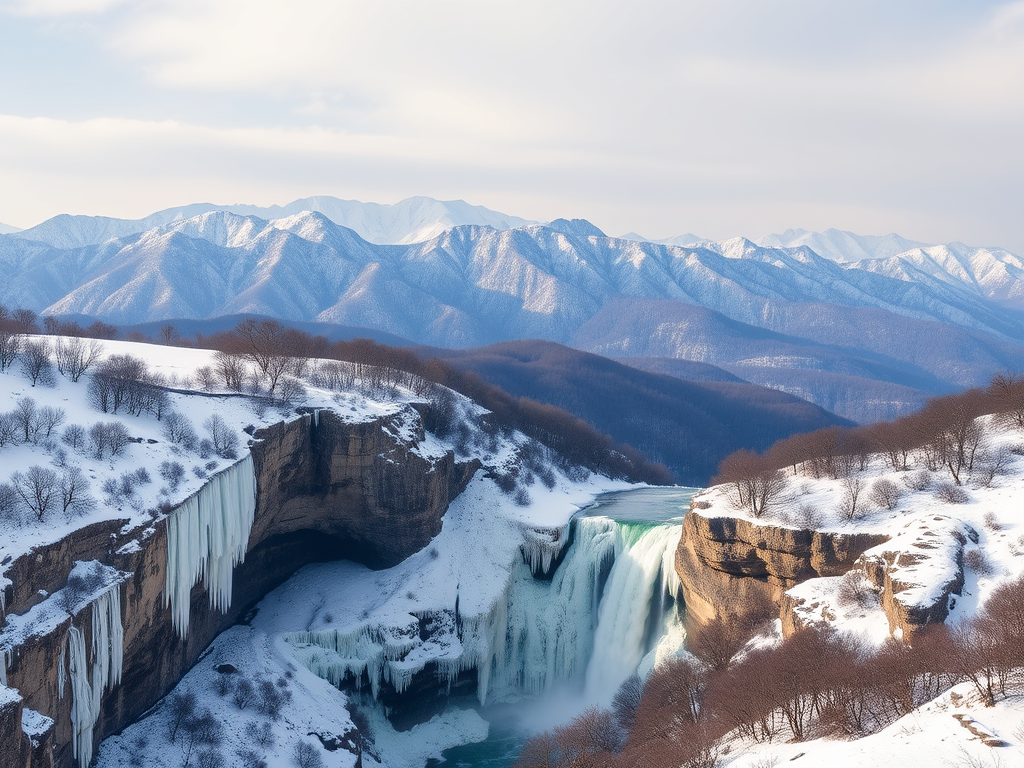
- Frozen waterfalls like Biryong Falls become stunning ice sculptures
- Hot springs in Sokcho city provide the perfect après-hike warmth
- Significantly fewer tourists compared to spring and fall seasons
Must-Do Experiences:
- Hike the Ulsanbawi Rock trail for panoramic winter views (moderate difficulty, 3-4 hours)
- Visit Sinheungsa Temple to see the massive bronze Buddha against snowy mountains
- Soak in Cheoksan Hot Springs after your hike
- Try fresh seafood at Sokcho’s Jungang Market
Pro Tip: Pack proper winter hiking gear-crampons are essential for icy trails. The park provides rental equipment at the entrance.
Best Time to Visit: January for the best snow scenery, but check weather conditions before hiking
3. Damyang, Jeollanam Province – Bamboo Forest in Winter
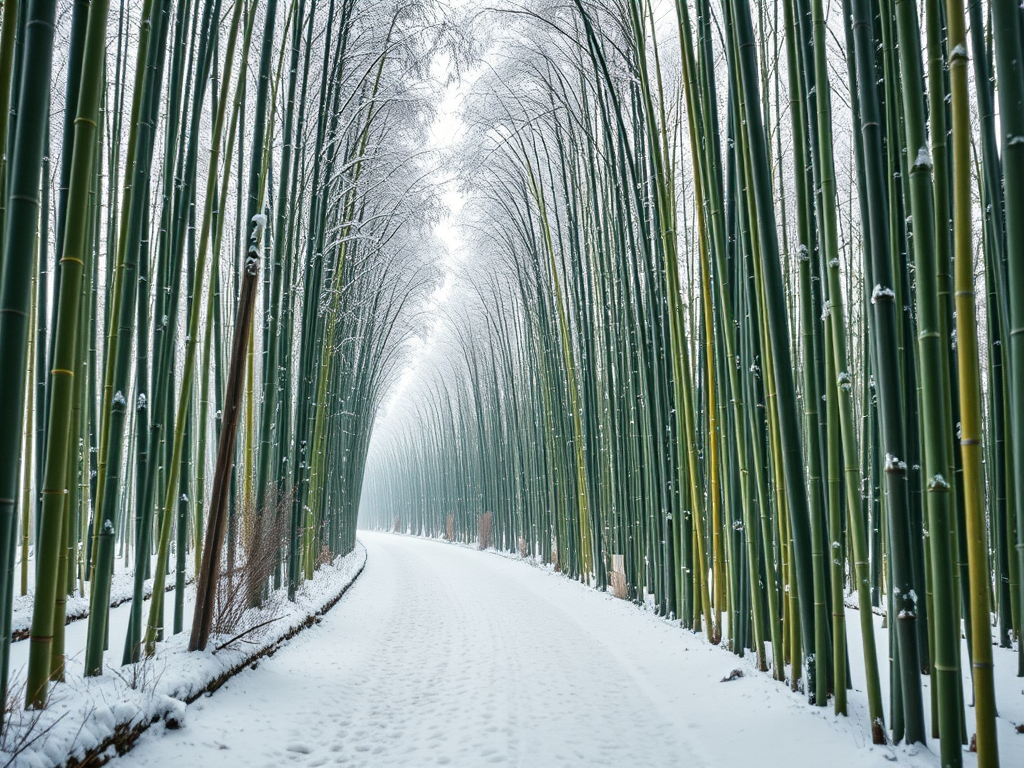
Most travelers think of Damyang as a summer destination, but winter reveals a completely different side of this bamboo forest town. The contrast of green bamboo against white snow creates an otherworldly atmosphere that few Western travelers ever witness.
What Makes It Special:
- Juknokwon Bamboo Garden: Korea’s largest bamboo forest becomes a serene winter sanctuary with snow-dusted bamboo creating natural architecture
- Metasequoia-lined road: Over 8km of tall trees creating a stunning white tunnel in winter
- Soswaewon Garden: A 16th-century private garden showcasing traditional Korean aesthetics in winter minimalism
- Practically zero international tourists in winter months
Unique Winter Activities:
- Walk the elevated bamboo forest paths for stunning photo opportunities
- Try bamboo rice (juksun-bap) and bamboo leaf tea at local restaurants
- Visit the Korean Bamboo Museum to understand the cultural significance
- Stay in a traditional hanok (Korean house) with heated floors
Photography Tip: Visit early morning right after snowfall for the most magical lighting through the bamboo.
Best Time to Visit: Late December to January when snow is likely
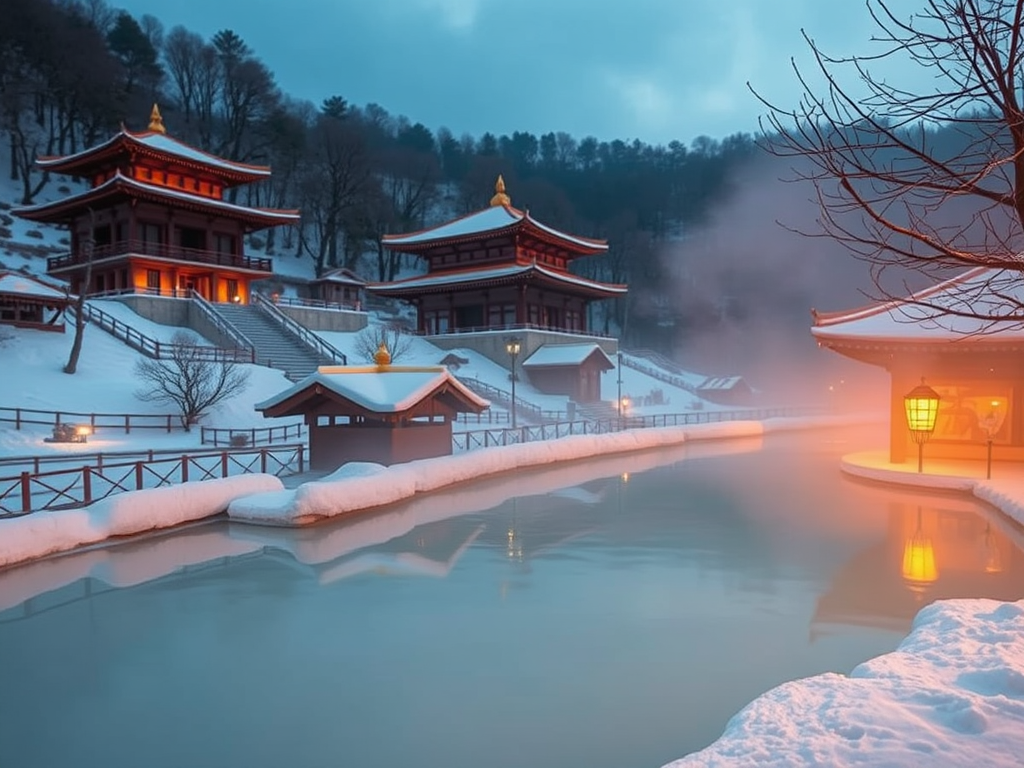
4. Pyeongchang (Beyond the Olympics) – Hidden Valley Hot Springs
Yes, Pyeongchang hosted the 2018 Winter Olympics, but venture beyond the Olympic venues and you’ll discover hidden valleys with natural hot springs and traditional mountain culture that most visitors never see.
What Makes It Special:
- Odaesan Mountain’s Buddhist temples surrounded by snowy forests
- Natural hot spring resorts in secluded valleys (not the commercialized tourist ones)
- Traditional mountain tofu villages where you can learn tofu-making
- Woljeongsa Temple: One of Korea’s most beautiful temples, especially stunning in snow
Insider Experiences:
- Stay at Yongpyong Resort’s family condos (cheaper than hotels, with kitchens)
- Visit Sangwonsa Temple via a snowy forest trail-one of Korea’s oldest temples
- Try chodang-sundubu (soft tofu) in Chodang village
- Attend a temple stay program at Woljeongsa for a unique spiritual winter retreat
Local Secret: The small hot spring pensions (minbak) in Jinbu-myeon offer authentic experiences at half the price of major resorts.
Best Time to Visit: January to mid-February for deep snow and functioning hot springs
5. Yangyang – The Surfer’s Winter Paradise
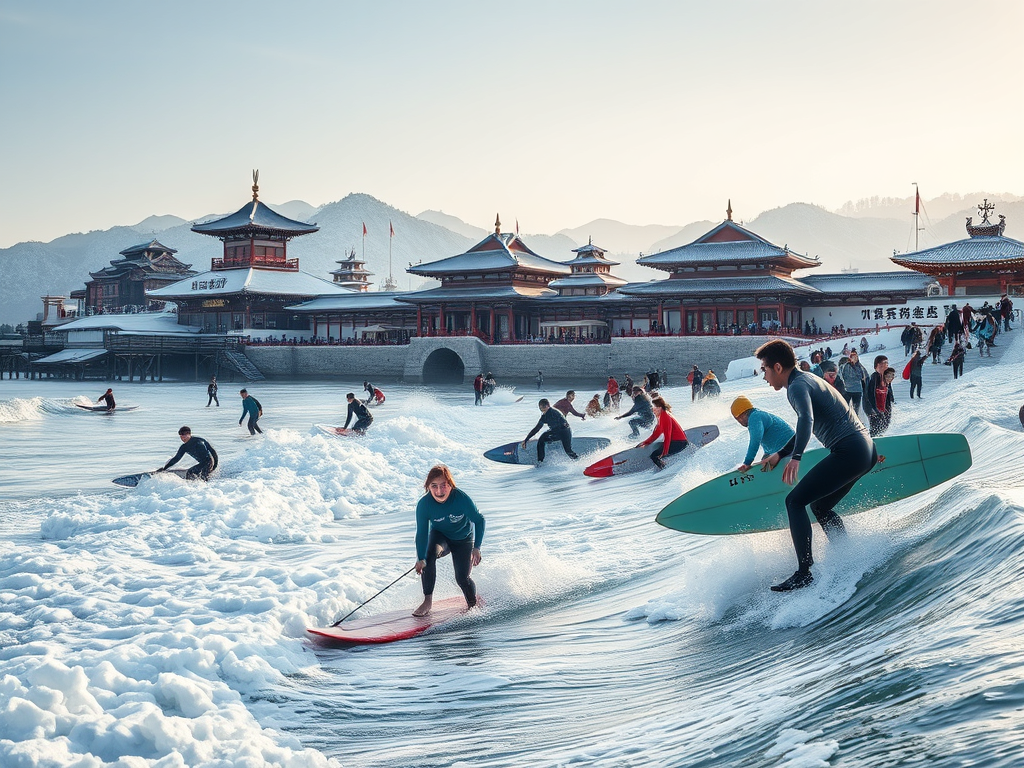
Wait, surfing in Korea? In winter? Absolutely! Yangyang has become Asia’s coolest surf town, and winter offers the best waves with the smallest crowds. Plus, the surrounding area hides incredible winter landscapes.
What Makes It Special:
- Winter surfing: Big swells from December to February, with wetsuits keeping you warm
- Naksansa Temple: Oceanside temple with stunning winter sea views
- Osaek Hot Springs: Natural mineral springs in the mountains, perfect after cold ocean swims
- Craft coffee culture: Yangyang’s beach cafes rival Portland and Melbourne
Winter Activities:
- Take a winter surfing lesson at Jukdo Beach (yes, really!)
- Warm up with hot coffee at Gyeongpo Beach’s designer cafes
- Drive the scenic coastal route from Yangyang to Sokcho
- Visit Seorak Waterpia indoor/outdoor hot spring resort
Unique Combo: Morning ski session at nearby resorts, afternoon surfing, evening hot springs-only in Korea!
Best Time to Visit: December to January for the best waves and hot spring weather
6. Gapyeong – The Romantic Winter Escape
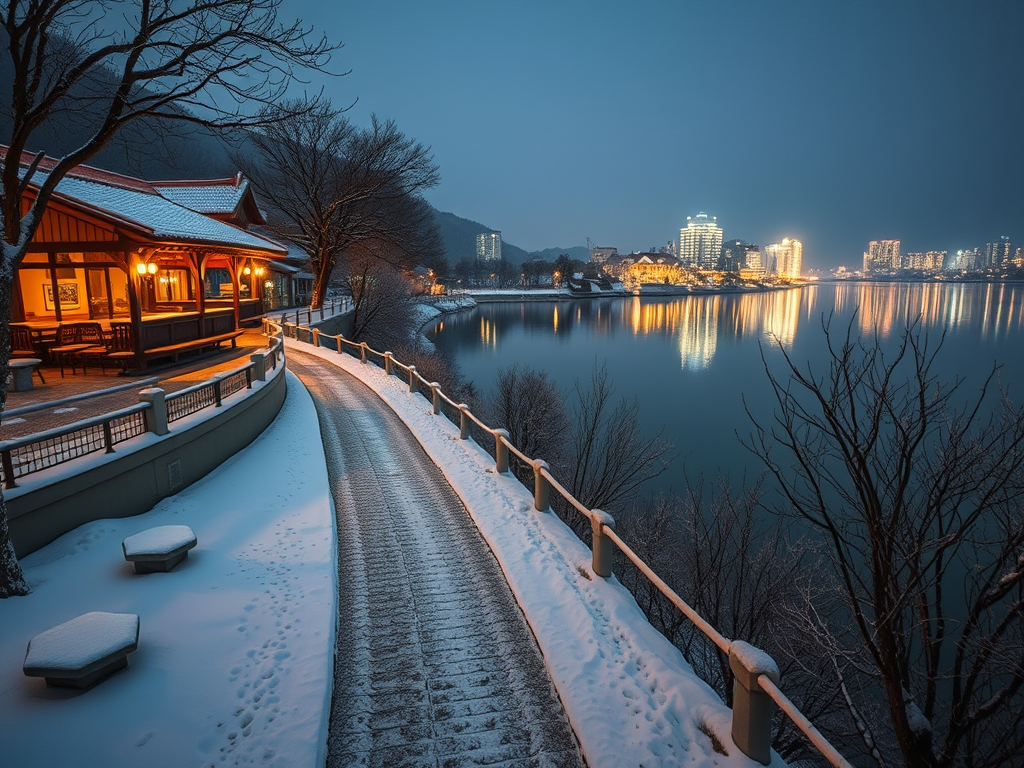
Just an hour from Seoul, Gapyeong feels worlds away with its peaceful lakes, riverside cafes, and romantic winter charm. It’s where Seoul locals go to escape-and you can too.
What Makes It Special:
- Nami Island: The famous K-drama filming location is even more magical with snow-covered tree-lined paths
- Garden of Morning Calm: Winter light festival transforms 30,000 square meters into an illuminated wonderland
- Riverside rail bike: Pedal along frozen riverside scenery on a four-person rail cart
- Pension culture: Unique Korean-style vacation rentals with floor heating and private yards
Perfect Winter Day Itinerary:
- Morning: Nami Island walk (arrive early to beat day-trippers)
- Lunch: Dakgalbi (spicy chicken) on Dakgalbi Street
- Afternoon: Petite France village and Italian-style gardens
- Evening: Garden of Morning Calm light festival
- Night: Cozy pension with floor heating and Han River views
Romantic Tip: Book a pension with a private outdoor hot tub overlooking the river-incredibly popular with Korean couples.
Best Time to Visit: Mid-December to early January for light festivals
7. Taebaek – The Mountain City Time Forgot
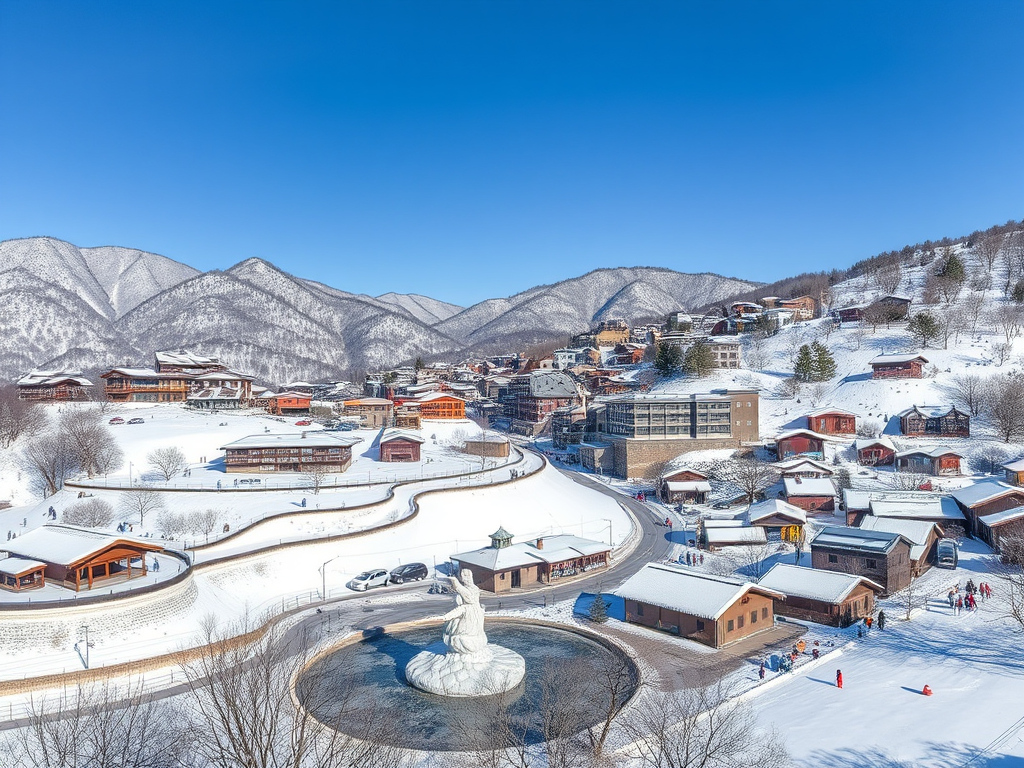
At 1,400 meters above sea level, Taebaek is Korea’s highest city and one of its most overlooked. This former coal-mining town offers raw, authentic mountain culture and some of Korea’s heaviest snowfall.
What Makes It Special:
- Taebaek Mountain: Considered one of Korea’s three sacred mountains, stunning for winter hiking
- Heavy snowfall: Receives more snow than anywhere else in South Korea
- Coal mining heritage: Fascinating museum and underground mine tours
- Authentic mountain food culture: Hearty dishes made for miners
Winter Highlights:
- Taebaek Snow Festival (late January): Ice sculptures, snow slides, and traditional performances-much less touristy than other winter festivals
- Hwangji Pond: A mystical spring-fed pond that never freezes, surrounded by snow
- Taebaeksan Snow Flower Festival: Celebrate snow flowers (rime ice) forming on trees
- 365 Safe Town: Korea’s first coal mining experience village
Local Food: Try someori-gukbap (ox head soup) and buckwheat pancakes-hearty meals that miners relied on.
Off-the-Beaten-Path: Take the mountain train from Cheoram to see Korea’s most dramatic winter mountain scenery.
Best Time to Visit: Late January to early February for peak snow and festivals
Essential Winter Travel Tips for South Korea
Packing Essentials:
- Layered clothing (Korean buildings are very heated, so you’ll be adding/removing layers)
- Waterproof winter boots with good traction (Korean sidewalks can be icy)
- Heat packs (hand warmers-buy cheap at any convenience store)
- Compact umbrella (winter rain is common on the coast)
Transportation:
- Rent a car for hidden destinations (GPS with English available)
- KTX trains reach most major cities, then use local buses
- Intercity buses are affordable and reach smaller towns
- Download Naver Map app (better than Google Maps in Korea)
Money-Saving Tips:
- Visit during weekdays for 30-50% cheaper accommodation
- Eat at local restaurants (sikdang) instead of tourist areas
- Buy ski lift tickets online in advance for discounts
- Many hot springs offer day passes cheaper than hotel packages
Cultural Considerations:
- Remove shoes when entering traditional accommodations
- Many rural areas have limited English-download Papago translation app
- Cash is still common in small towns (ATMs widely available)
- Respect temple etiquette when visiting Buddhist sites
Best Time to Visit These Hidden Gems
December:
- Pros: Light festivals begin, Christmas atmosphere, fewer crowds
- Cons: Less snow at lower elevations, colder temperatures begin
January:
- Pros: Peak snow season, winter festivals, best skiing conditions
- Cons: Coldest month, higher accommodation prices during holidays
February:
- Pros: Still snowy, warming slightly, easier travel conditions
- Cons: Snow begins melting at lower elevations, some festivals end
Winner: Mid-January to early February offers the best combination of snow, festivals, and authentic winter experiences.
How to Plan Your Hidden Gems Winter Itinerary
7-Day Sample Itinerary:
Days 1-2: Sokcho and Seoraksan National Park
- Day hike in Seoraksan, hot springs in Sokcho, seafood dinner
Day 3: Yangyang coast
- Morning surfing lesson, afternoon coastal drive, evening hot springs
Days 4-5: Pyeongchang and Jeongseon
- Skiing at High1 Resort, Jeongseon market experience, temple visit
Day 6: Taebaek
- Snow festival (if timing matches), mountain city exploration, coal mining museum
Day 7: Gapyeong (en route back to Seoul)
- Nami Island, Garden of Morning Calm evening light festival
Alternative 4-Day Weekend Trip (closest to Seoul):
- Day 1: Gapyeong
- Day 2: Jeongseon
- Day 3: Damyang (if you have a rental car) or stay in Pyeongchang
- Day 4: Return to Seoul
Why Winter 2025 Is the Perfect Time to Visit
South Korea’s tourism industry is recovering post-pandemic, but these hidden destinations remain refreshingly uncrowded. Winter 2025 offers a unique window to experience authentic Korean culture before these gems become the next big thing.
Plus, the Korean won remains favorable for travelers from the US, UK, Canada, and Australia, making your winter adventure surprisingly affordable. With excellent infrastructure, safe travel conditions, and world-class hospitality, there’s never been a better time to explore Korea’s winter wonders.
Final Thoughts: Your Winter Adventure Awaits
South Korea’s hidden winter destinations offer something that’s increasingly rare in travel: genuine discovery. While the world crowds into the same dozen Instagram-famous spots, these seven gems remain peaceful, authentic, and breathtakingly beautiful.
From the alpine peaks of Jeongseon to the steaming hot springs of Pyeongchang, from the bamboo forests of Damyang to the surf breaks of Yangyang-each destination reveals a different facet of Korean winter culture.
The best part? You don’t need to choose just one. Korea’s compact size and excellent transportation mean you can experience multiple hidden gems in a single trip. So pack those winter boots, charge your camera, and prepare for a Korean winter adventure that goes far beyond the guidebooks.
Your unforgettable winter story starts here. Which hidden gem will you explore first?
<< You Might Also Like >>
“Korea’s Secret Winter Escapes: Hidden Gems Beyond Seoul”
The Omnivore Generation: Taste Without Borders
It’s never too late to learn, grow, and discover new possibilities.
Explore the books of Han Jong-Woo, where artificial intelligence, lifelong learning, personal growth, and meaningful living come together to inspire your next chapter.
Whether you’re curious about AI, seeking purpose, or simply looking for fresh inspiration, you’ll find books designed to encourage, empower, and enrich your life.
▶ Visit JongWoo Han’s Amazon Author Page and discover all of his books today.
Leave a Reply