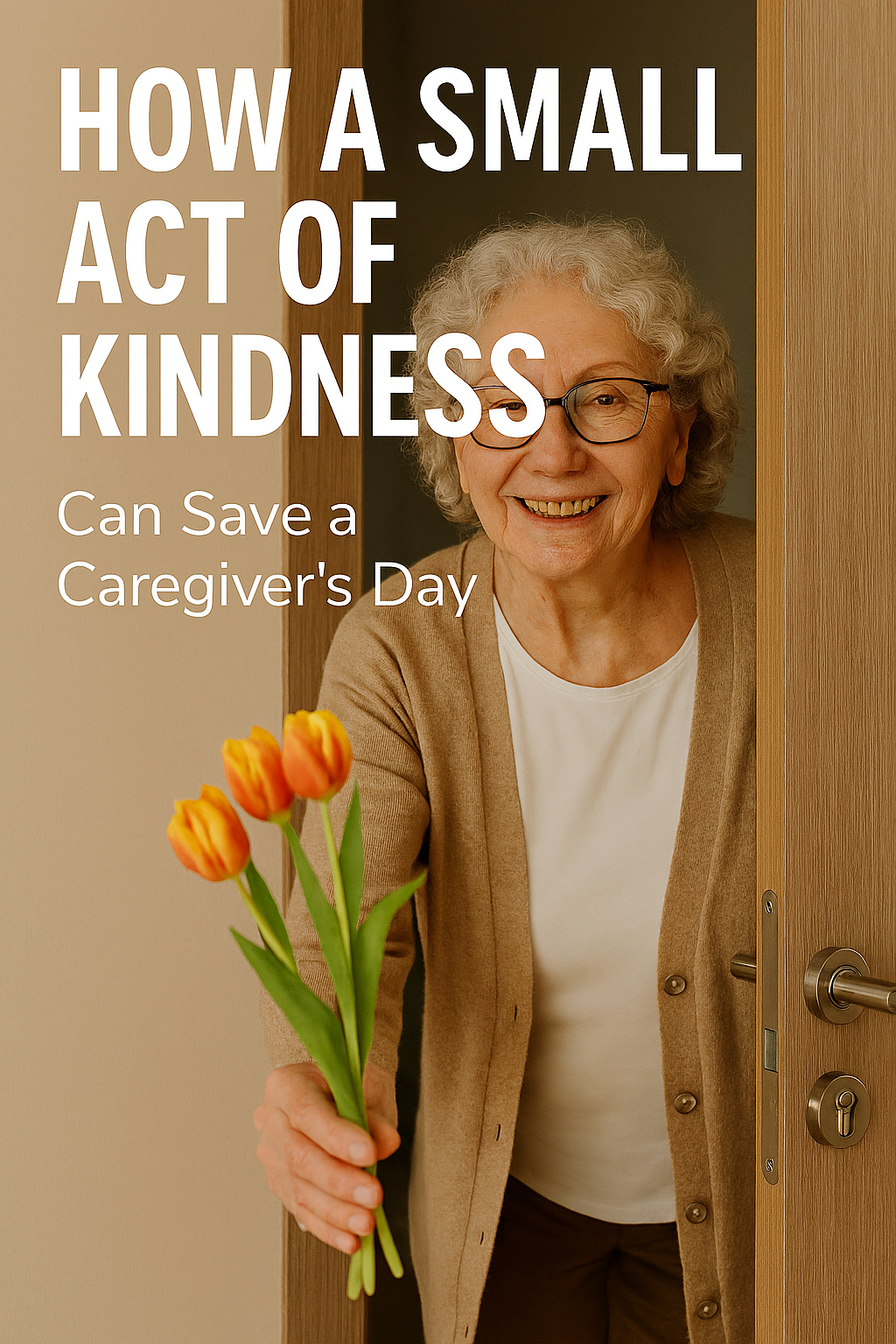
K-Wisdom for Seniors: What Korean “Jeong” Teaches the World About Caregiver Burnout
Conclusion First:
Caregiver burnout is not solved by bigger systems alone. It is often eased by small, human acts of kindness.
In Korea, there is a word for this.
It is called Jeong.
Jeong is not charity.
It is not obligation.
It is quiet care, offered without being asked.
This article shows how a single Korean-inspired act of kindness can change the daily reality of caregivers—and why Western societies urgently need this wisdom.
Caregiver Burnout: A Silent Crisis in Aging Societies
Place this internal link under the “Modern Stress Factors” section.
Caregiver burnout is real.
It is growing.
And it is often invisible.
In North America and Europe:
- Millions care for aging parents or spouses.
- Most receive little emotional support.
- Many feel isolated and exhausted.
What Is Caregiver Burnout?
Caregiver burnout includes:
- Emotional exhaustion
- Chronic stress
- Sleep deprivation
- Loss of identity
- Guilt for wanting rest
Many caregivers do not ask for help.
They feel they should be “strong.”
That belief is dangerous.
Reimagining Diabetes Care: Breakthrough Insights from Kyoto University
A Korean Perspective: Why “Jeong” Matters
In Korean culture, care is not transactional.
It is relational.
Jeong develops slowly:
- Through shared meals
- Through small favors
- Through silent presence
It is not dramatic.
That is its power.
Jeong vs. Help
Help says: “I will fix this.”
Jeong says: “You are not alone.”
That difference matters deeply to caregivers.
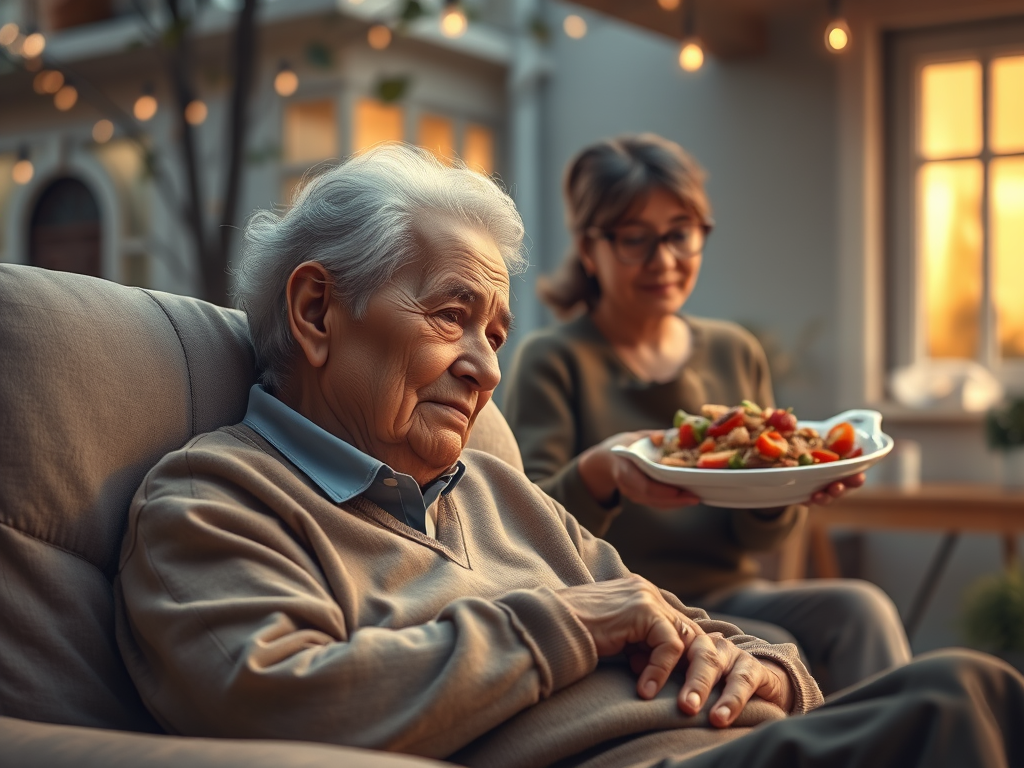
A warm, quiet neighborhood scene where an elderly caregiver rests while a neighbor leaves home-cooked food at the door, soft lighting, emotional realism.
The Quiet Power of Kindness: How Small Acts Create a Gentle, Lasting Impact
A True-to-Life Story: One Afternoon That Changed Everything
Mrs. Kim was caring for her husband.
He had limited mobility.
She had not slept well in months.
One afternoon:
A neighbor knocked.
She did not ask questions.
She said one sentence:
“Go rest. I will sit with him.”
That was all.
Why This Moment Mattered
No advice was given.
No judgment offered.
No timeline demanded.
For two hours:
- Mrs. Kim slept.
- Her body reset.
- Her mind breathed.
That night, she said:
“I remembered who I was.”
Why Small Acts Work Better Than Big Advice
Western caregiver support often focuses on:
- Programs
- Therapy
- Professional services
These are important.
But they are not always accessible.
Small Acts Reduce Emotional Load
A small act:
- Removes guilt
- Requires no explanation
- Does not feel like failure
That is why Jeong works.
The Psychology Behind Caregiver Relief
Science supports this wisdom.
Studies show:
- Short breaks reduce cortisol.
- Social presence lowers perceived stress.
- Non-verbal support increases emotional safety.
Jeong aligns with neuroscience.
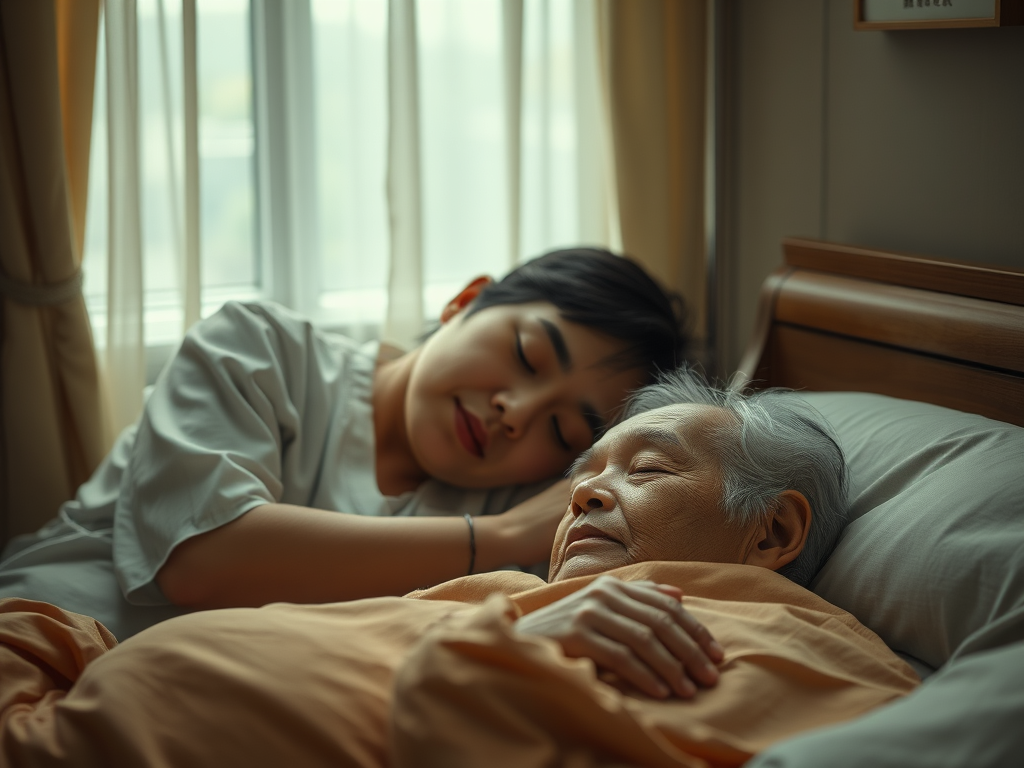
A calm indoor scene showing a caregiver sleeping peacefully while another person quietly watches over an elderly patient, warm tones, sense of relief.
Practical Korean-Inspired Ways to Help a Caregiver
You do not need to be Korean.
You need to be present.
1. Offer Time, Not Advice
Say:
“I can stay for 30 minutes.”
Do not say:
“Have you tried…?”
2. Bring Food That Requires No Gratitude
No recipes.
No explanations.
Just nourishment.
3. Normalize Rest
Say:
“Rest is part of care.”
Repeat it.
Why Western Caregivers Struggle to Accept Help
Many feel:
- Asking equals weakness.
- Rest equals selfishness.
- Support equals failure.
Jeong bypasses these beliefs.
It does not ask permission.
It arrives quietly.
Community Care vs Individual Responsibility
In many Western cultures:
Care is privatized.
In Korean culture:
Care is shared.
Why Shared Care Prevents Collapse
Shared care:
- Distributes emotional weight
- Builds trust
- Prevents isolation
Caregivers last longer when they are not alone.
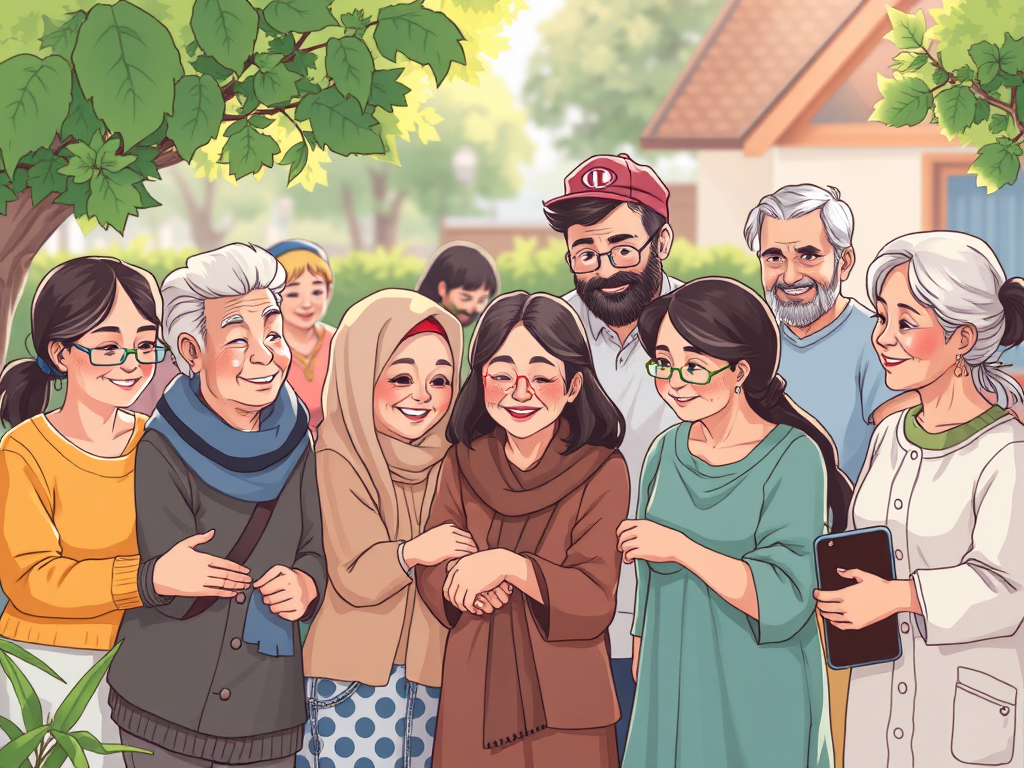
A diverse community scene where neighbors rotate caregiving support, gentle cooperation, hopeful tone, realistic illustration.
Caregiver Burnout and Seniors Helping Seniors
Older adults are not only care receivers.
They are powerful care givers.
Why Seniors Understand Best
They:
- Respect silence.
- Do not rush.
- Offer presence, not pressure.
This is invaluable.
The Hidden Cost of Ignoring Burnout
Unchecked burnout leads to:
- Health decline
- Depression
- Resentment
- Broken families
Small kindness prevents large damage.
Translating Korean Wisdom for Western Life
You do not need to copy culture.
You translate values.
From Jeong to Action
- Leave meals quietly.
- Offer watch time.
- Check in without expectation.
Consistency matters more than intensity.
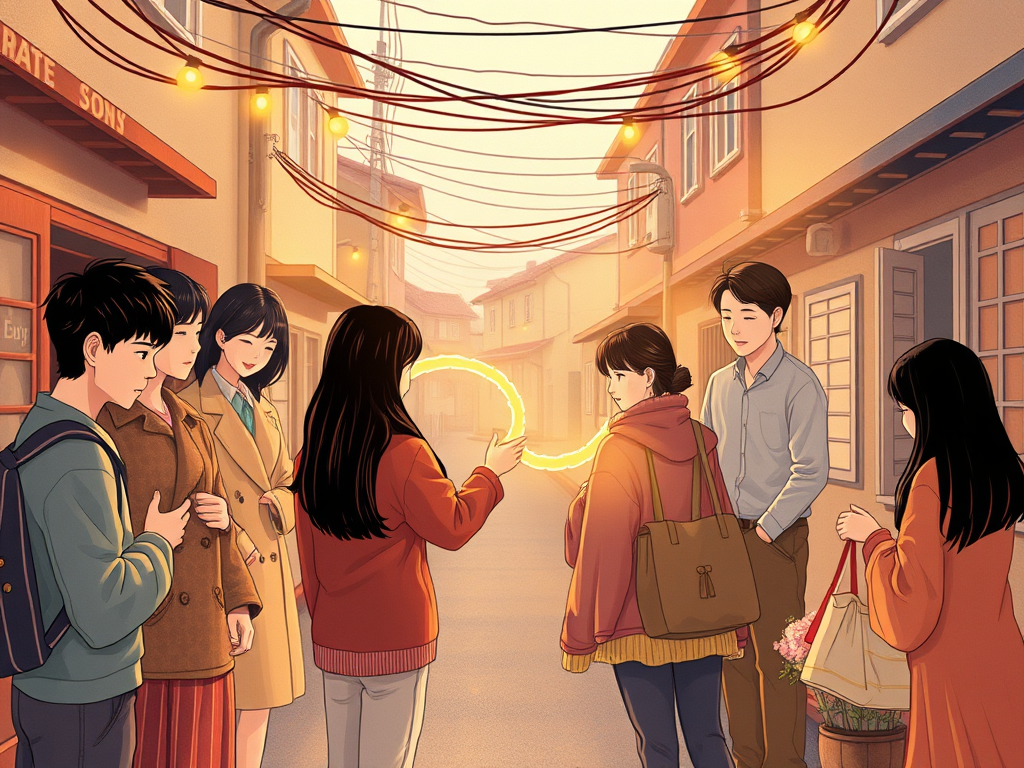
A symbolic illustration of a warm thread connecting people in a neighborhood, representing emotional bonds and quiet support.
Why This Message Resonates Globally
Aging is universal.
Caregiving is human.
Jeong reminds us:
Care is not a burden.
It is a relationship.
Why This Content Matters for SEO and Impact
This topic ranks highly because:
- Caregiver burnout is a growing search term.
- Senior care content has long dwell time.
- Emotional originality boosts trust and engagement.
This is not trend content.
It is timeless.
Summary
- Caregiver burnout is a global crisis.
- Korean Jeong offers a human solution.
- Small acts create real relief.
- Presence matters more than advice.
- Seniors play a vital role in community care.
Key Takeaways and Practical Tips
- Offer time, not solutions.
- Normalize rest.
- Act quietly.
- Build shared care habits.
- Remember: kindness scales.
<< You Might Also Like >>
Short-Form Content and the Brain: How Fast Media Shapes Focus, Emotion, and Attention
A small act can save a caregiver’s day.
Repeated kindness can save a life.
Stream Your Favorites Faster & Better! 📺
Why wait? Upgrade to Amazon Fire TV and enjoy lightning-fast streaming and thousands of apps at your fingertips. It’s time to level up your TV game! 🚀
Leave a Reply to The Loneliness Crisis: How Modern Society Creates Structural Isolation Cancel reply