
From Retirement to Digital Entrepreneur: How I Built a $1,000 Monthly Passive Income with AI
👉 Start Your Journey: Access the Full 118-Page AI Blueprint Now
Bottom line first:
AI is not taking jobs because humans are unnecessary.
AI is exposing how inefficient, outdated, and poorly designed many systems already were.
Organizations that relied on broken processes are collapsing.
Those that redesign systems around human judgment and AI support are thriving.
This is not a story about replacement.
It is a story about evolution.
“The Myth of AI Replacing Jobs: The Truth Every Senior Needs to Know”
The most common fear sounds like this:
“AI is replacing humans.”
That statement feels true.
But it is incomplete.
The uncomfortable truth
AI does not replace people.
AI replaces inefficiency.
It replaces:
- Redundant paperwork
- Manual data entry
- Copy-paste thinking
- Slow approval chains
- Meetings that exist only because systems are unclear
When those systems disappear, it looks like people disappear too.
But what actually vanishes is wasted effort.
A split-screen image: on the left, an exhausted office worker drowning in paperwork and spreadsheets; on the right, the same worker calmly supervising an AI dashboard with clean workflows. Neutral, realistic style.

Why Bad Systems Survived for So Long
If bad systems are so inefficient, why did they last decades?
Because humans were compensating for them
People filled the gaps.
They:
- Stayed late
- Memorized broken processes
- Fixed errors manually
- Acted as translators between departments
Human adaptability hid systemic failure.
AI does not adapt emotionally.
It forces clarity.
When AI enters a workflow, it immediately reveals:
- Ambiguous rules
- Conflicting goals
- Missing data
- Redundant steps
That exposure feels threatening.
But it is necessary.
What AI Replaces First (And Why)
AI adoption follows a pattern.
Tasks that are replaced quickly
AI excels at:
- Repetitive decisions
- Pattern recognition
- Rule-based execution
- High-volume processing
Examples:
- Invoice matching
- Customer support triage
- Content formatting
- Report generation
These tasks were never human strengths.
They were human obligations created by system gaps.
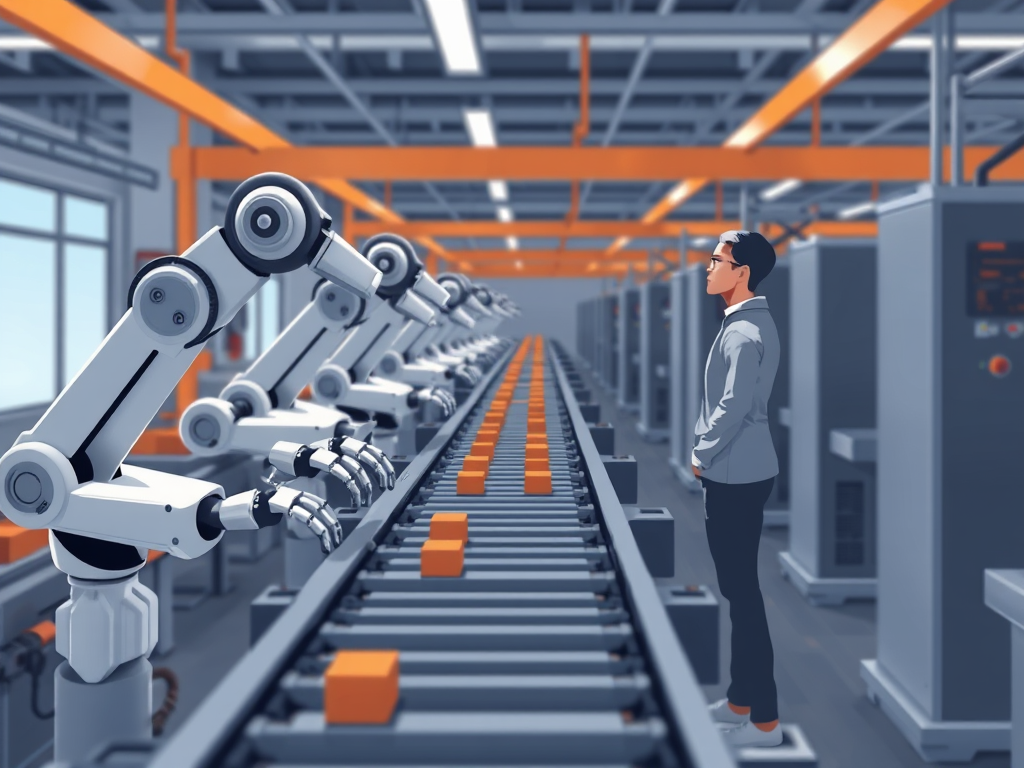
A conveyor belt of repetitive tasks being automated by AI arms, while humans step away to collaborate and think. Modern, clean illustration style.
What AI Cannot Replace (And Likely Never Will)
This is where fear turns into opportunity.
AI struggles with:
- Moral judgment
- Contextual empathy
- Creative synthesis
- Value-based decisions
- Accountability
AI can suggest.
Humans decide.
The human advantage is not speed — it’s meaning
Humans ask:
- “Should we do this?”
- “Who does this affect?”
- “Is this the right trade-off?”
No model answers that responsibly.
Organizations that understand this redesign roles instead of removing them.
AI Is a Stress Test for Organizations
Think of AI as a diagnostic tool.
When AI is introduced:
- Good systems scale
- Bad systems collapse
Signs your system is broken
If AI adoption causes:
- Confusion
- Resistance
- Fear
- Blame
The problem is not AI.
The problem is lack of clarity.
Healthy systems respond with:
- Faster decisions
- Better visibility
- Clear ownership
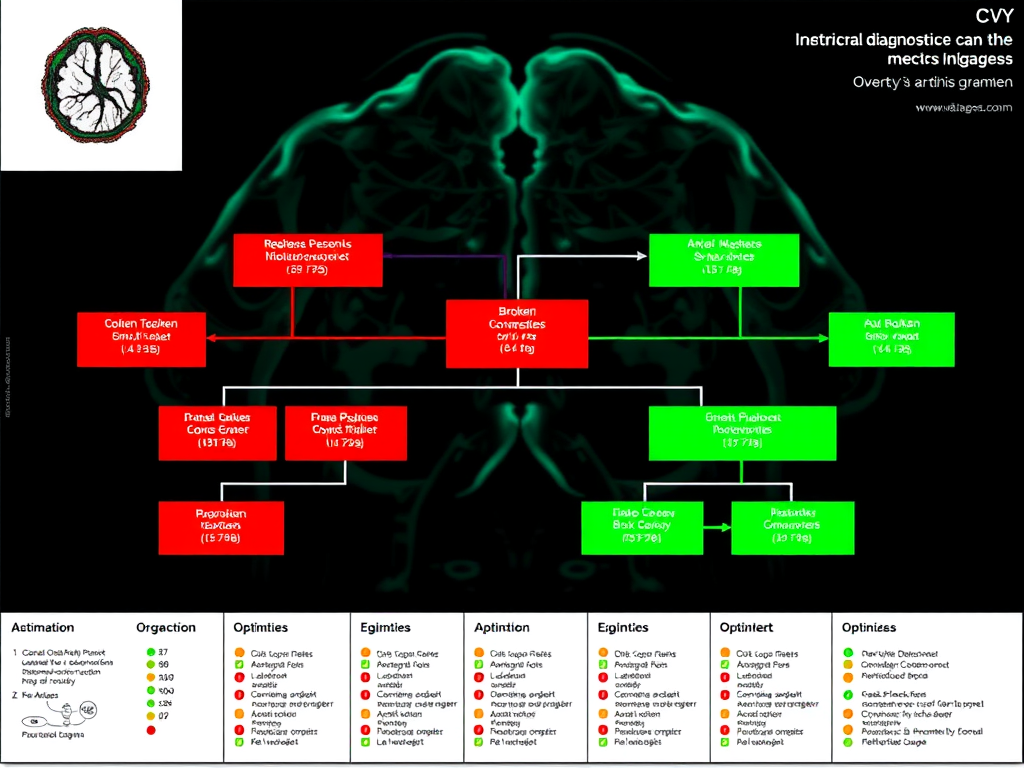
A medical-style diagnostic scan overlaying an organization chart, highlighting broken connections in red and optimized flows in green.
Real Examples: Who Is Thriving vs Struggling
Companies that struggle
They say:
- “AI will replace staff”
- “Let’s cut costs quickly”
- “We don’t need to retrain people”
Results:
- Low morale
- Shallow automation
- High error rates
- Talent loss
Companies that thrive
They say:
- “AI will remove friction”
- “Let’s redesign workflows”
- “Humans own decisions”
Results:
- Higher productivity
- Better employee engagement
- Faster innovation
The New Job Equation in the AI Era
Jobs are not disappearing.
They are reforming.
Old model
Human = execution
New model
Human = supervision + judgment
AI = execution + suggestion
This shift requires new skills.
Skills That Matter More Than Ever
Systems thinking
Understanding how parts connect.
Seeing downstream impact.
Prompting and instruction design
Clear input creates useful output.
Vague instructions create chaos.
Ethical reasoning
AI scales decisions.
Humans must own consequences.
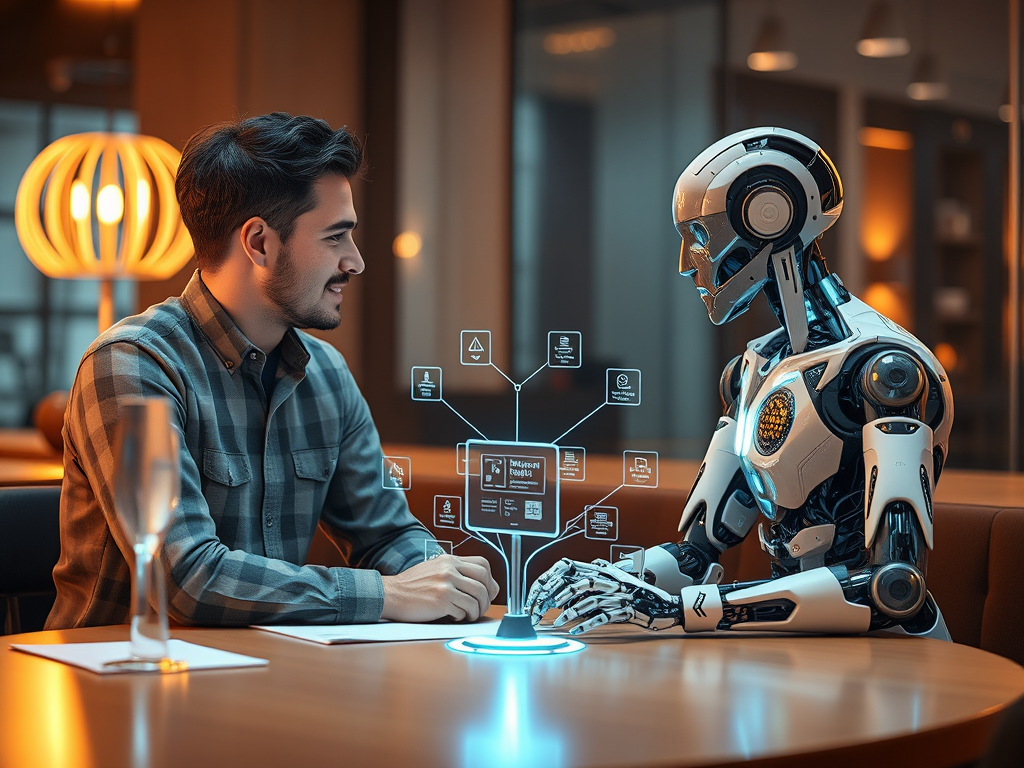
A human and an AI sitting at a table reviewing a decision tree together, symbolizing partnership rather than replacement.
Why “AI Will Replace Everyone” Is a Lazy Narrative
Fear-based narratives spread faster than nuanced truth.
But history shows:
- Automation replaces tasks, not purpose
- New tools create new roles
- Value shifts upward
AI is no different.
The real danger is not AI.
It is refusing to evolve systems.
How Individuals Can Future-Proof Themselves
You do not need to become an AI engineer.
You need to:
- Understand your workflow
- Identify friction
- Learn how AI assists your role
Ask yourself:
- What parts of my job are repetitive?
- Where do errors occur?
- Where does judgment matter most?
Then redesign around that.
How Leaders Should Think About AI
Leaders must stop asking:
“How many people can AI replace?”
And start asking:
“What decisions should humans always own?”
That question changes everything.
The Psychological Shift We Need
AI challenges identity.
People fear becoming “less useful.”
But usefulness was never about labor.
It was about judgment, responsibility, and care.
AI cannot carry moral weight.
Humans can.
📌 Summary
AI is not replacing humans.
It is replacing:
- Inefficiency
- Ambiguity
- Poorly designed systems
Organizations that adapt will grow stronger.
Those that resist will break.
💡 Key Takeaways & Practical Tips
- AI replaces tasks, not purpose
- Bad systems fail faster under AI
- Humans remain essential for judgment and ethics
- Learn to design workflows, not fight tools
- Treat AI as a partner, not a threat
Final Thought
“AI doesn’t remove the human from work.
It removes the excuse for bad systems.”
Those who understand this will not be replaced.
They will lead.
⭐ Discover more future‑focused insights in the AI & Automation Hub
Title: How to Watch Korean TV in Canada Without Monthly Fees (Surrey, BC Life)
Living in Surrey, BC, there are many times when I truly miss watching Korean dramas and news. However, the monthly cable TV bills are often more burdensome than expected.
https://amzn.to/4a28YqYI used to worry a lot about the high costs from major providers like Rogers or Bell. Then, I happened to discover this [Amazon TV Kit Link] on Amazon, and since then, I’ve been enjoying Korean broadcasts to my heart’s content without any worries about monthly fees.
What I love most about this product are:
- Simple Installation: It is so easy to set up that even seniors can use it without any trouble.
- No Recurring Costs: Once you purchase it, there are absolutely no monthly subscription fees.
- Clear Picture Quality: The high-definition quality makes the viewing experience very satisfying.
I sincerely recommend this to anyone who wants to brighten up their life in Canada with Korean broadcasts, just like I do.
Leave a Reply to wp authority links blackhat Cancel reply