
Conclusion first:
Better sleep is not about willpower.
It is about environment, timing, and biology.
When you align your habits with how sleep actually works, sleep quality improves fast—often within days.
This guide explains how sleep really works, how to fix insomnia step by step, which products actually help, and how to build a repeatable sleep system you can keep for life.
“Sleep Better Tonight: Science‑Backed Habits for Deep Rest”
Why Sleep Optimization Matters More Than Ever
Sleep is no longer optional recovery.
It is a performance multiplier.
Poor sleep increases the risk of:
- Heart disease
- Obesity
- Depression
- Cognitive decline
- Burnout
Good sleep improves:
- Focus
- Mood
- Immune function
- Hormonal balance
- Longevity
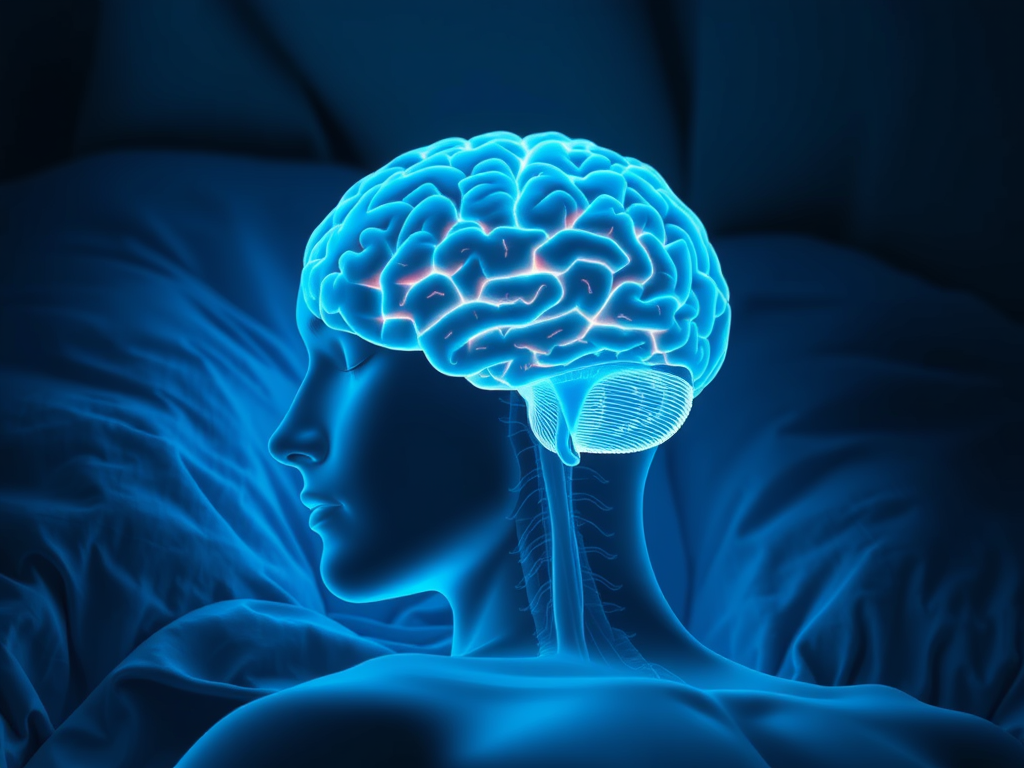
“Human brain and body recovering during sleep, calm night atmosphere, scientific visualization”
How Sleep Actually Works (Science Basics)
The Two Drivers of Sleep
Sleep is controlled by two systems:
- Circadian rhythm (your internal clock)
- Sleep pressure (how long you have been awake)
You sleep best when both are aligned.
Sleep Stages Explained
A full sleep cycle lasts about 90 minutes.
- Light sleep
- Deep sleep (physical repair)
- REM sleep (memory and emotion)
You need multiple full cycles, not just hours in bed.

“Sleep cycle chart showing REM and deep sleep stages, clean medical infographic style”
Common Sleep Problems (And Why They Happen)
Insomnia Is Not Just Stress
Insomnia is often caused by:
- Irregular sleep schedules
- Excess light exposure at night
- Caffeine timing
- Poor sleep environment
- Anxiety about sleep itself
Fixing sleep means fixing inputs—not forcing sleep.
The 5-Step Program to Fix Insomnia
Step 1: Lock Your Wake-Up Time
Wake up at the same time every day.
Even on weekends.
This resets your circadian rhythm faster than anything else.
Step 2: Control Light Exposure
Morning light = start the clock.
Night light = delay sleep.
Rules:
- Get sunlight within 30 minutes of waking
- Dim lights after sunset
- Avoid screens 90 minutes before bed
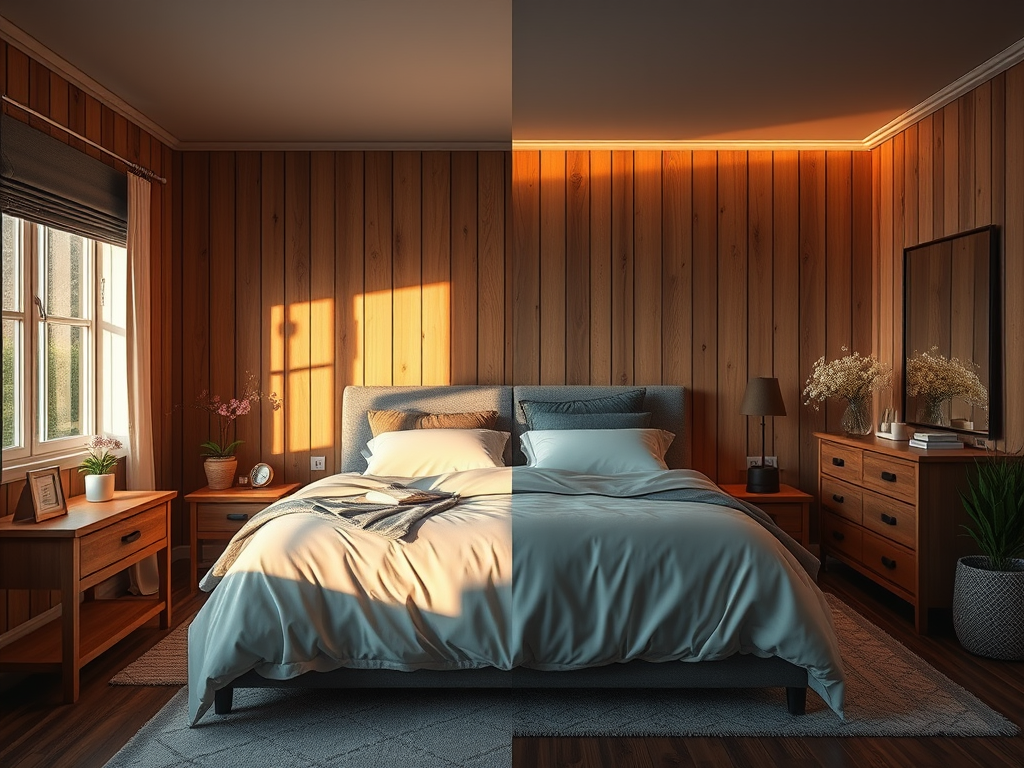
“Morning sunlight entering bedroom vs dark evening room with warm lighting, comparison”
Step 3: Optimize Your Sleep Environment
Your bedroom should signal only one thing: sleep.
- Cool temperature (18–20°C / 65–68°F)
- Total darkness
- Quiet or consistent sound
Step 4: Reduce Cognitive Arousal
If your mind races at night:
- Write worries down before bed
- Schedule “thinking time” earlier
- Avoid stimulating content at night
Step 5: Rebuild Trust in Sleep
Stop checking the clock.
Stop forcing sleep.
Sleep returns when anxiety drops.
Living Longer Isn’t Enough — We Need to Live Better
Sleep Hygiene Checklist (Printable)
Daily Habits
- Fixed wake-up time
- Morning sunlight
- Caffeine before 2 PM
- Regular meals
Evening Habits
- Dim lights
- No intense exercise late
- Warm shower or bath
- Consistent bedtime routine
“Sleep hygiene checklist visual, minimal icons, calming colors”
Mattress Review: What Actually Matters
Mattress Firmness and Sleep Quality
There is no universal “best mattress.”
But there are rules.
- Side sleepers: medium-soft
- Back sleepers: medium-firm
- Heavier bodies: firmer support
A bad mattress increases micro-awakenings.
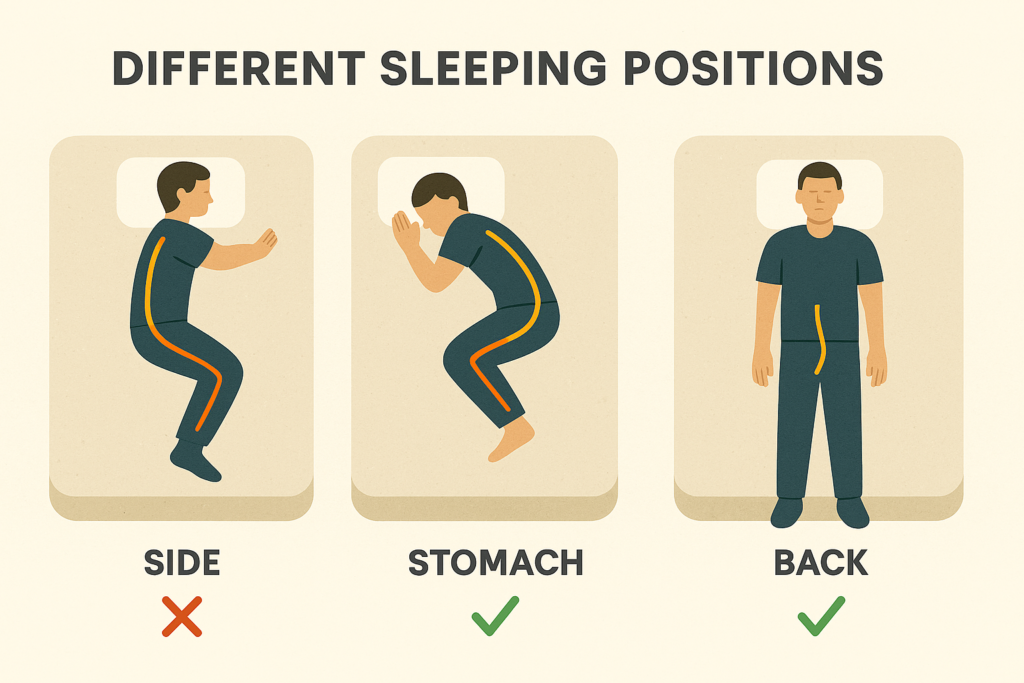
“Different sleeping positions on mattress, spinal alignment comparison”
Pillow Review: Neck Support Is Critical
Pillow Height and Alignment
Your pillow should keep your neck neutral.
- Side sleepers: higher loft
- Back sleepers: medium loft
- Stomach sleepers: very low or none
Memory foam and latex outperform feather for consistency.
Blackout Curtains: Light Is the Enemy of Sleep
Even small amounts of light reduce melatonin.
Benefits of blackout curtains:
- Faster sleep onset
- Deeper REM sleep
- Fewer night awakenings
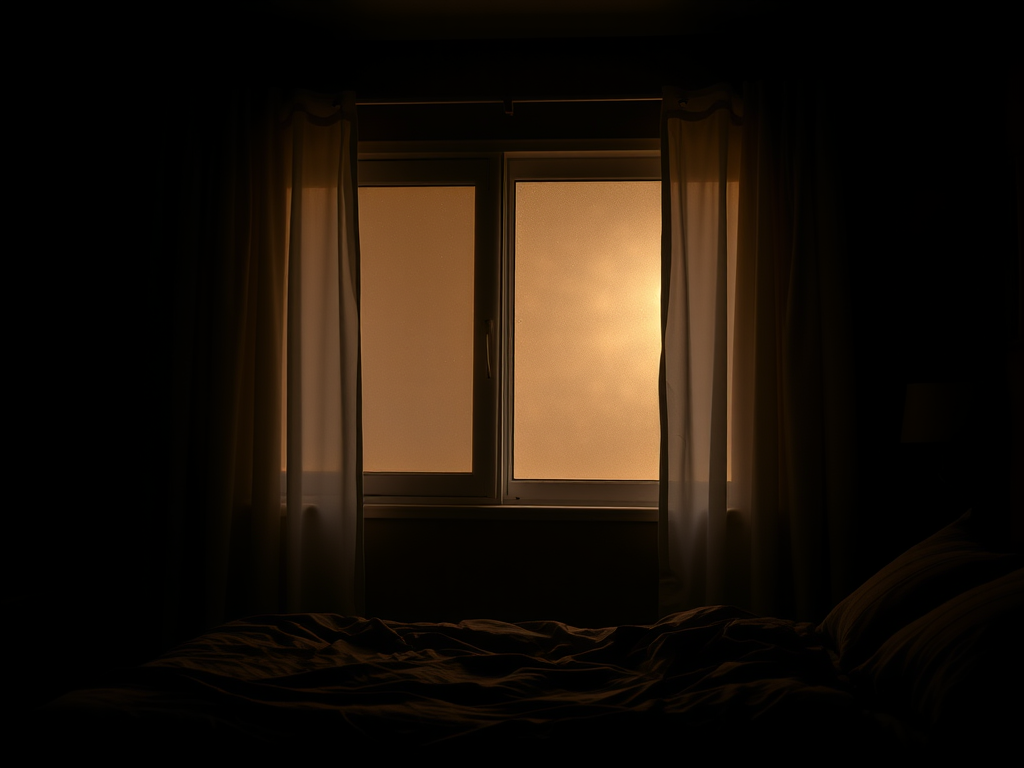
“Bedroom with blackout curtains vs light leaking window at night”
White Noise Machines: When Silence Is Worse
How White Noise Helps
White noise:
- Masks sudden sounds
- Creates consistency
- Helps light sleepers
Pink noise may improve deep sleep slightly more than white noise.
Sleep Tracking Apps: What They’re Good For
What Sleep Apps Can and Cannot Do
They can:
- Track trends
- Identify patterns
- Increase awareness
They cannot:
- Diagnose sleep disorders
- Measure sleep perfectly
Use them for behavior change, not obsession.

“Sleep tracking app dashboard on smartphone, calm night theme”
Best Practices for Using Sleep Trackers
- Look at weekly averages
- Ignore single bad nights
- Focus on consistency
Supplements and Sleep (Evidence-Based)
Supplements With Some Evidence
- Magnesium glycinate
- Melatonin (low dose, short term)
- Glycine
Avoid megadoses.
Supplements help habits, not replace them.
Food, Timing, and Sleep
What to Eat for Better Sleep
- Complex carbs
- Lean protein
- Avoid heavy meals late
Stop eating 2–3 hours before bed.
Exercise and Sleep
Regular exercise improves sleep depth.
Late intense exercise may delay sleep.
Best timing: morning or afternoon.
When to See a Doctor
Seek professional help if you have:
- Loud snoring
- Breathing pauses
- Extreme daytime sleepiness
- Chronic insomnia over 3 months
Sleep apnea is common and underdiagnosed.
Mastering Calm: Yoga & Meditation for Modern Stress
Building Your Personal Sleep System
Sleep optimization is not a hack.
It is a system.
Your system includes:
- Fixed schedule
- Optimized environment
- Consistent routines
- Low anxiety around sleep
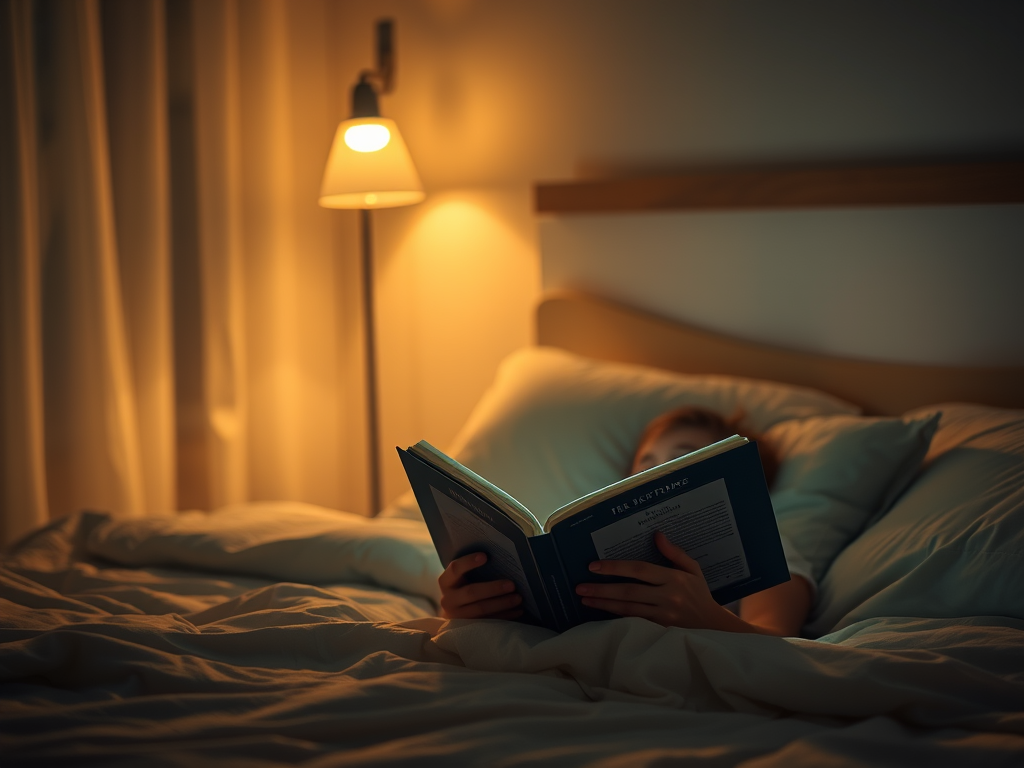
“Calm nighttime routine illustration, reading, dim light, peaceful bedroom”
Summary
- Sleep quality depends on biology, not effort
- Light, timing, and environment matter most
- Products help only when habits are correct
- Insomnia improves when anxiety decreases
Key Takeaways
✔ Fix your wake-up time first
✔ Control light exposure
✔ Optimize your bedroom
✔ Stop forcing sleep
✔ Build a system, not a routine
For more ideas to support a balanced and intentional life, explore the full Health & Wellness Hub.
<< You Might Also Like >>
“Intermittent Fasting: A Gentle Reset for Body and Mind”
Upgrade Your Home Cinema Experience! 🍿
Get ready to dive into a world of endless entertainment with the Amazon Fire TV. From the latest movies to your favorite TV shows, everything is just a click away. Experience stunning picture quality and seamless streaming like never before.
Leave a Reply to “Bible Study Methods: How to Study Scripture Effectively” Cancel reply