Conclusion first:
Better sleep is not about hacks.
It is about systems.
When you align your environment, habits, and biology, sleep improves naturally.
This guide explains how to do that—step by step—using science, practical tools, and realistic routines.
Why Sleep Optimization Matters More Than Ever
Sleep is no longer optional recovery time.
It is a core health system.
Poor sleep affects:
- Focus and memory
- Immune function
- Hormone balance
- Emotional regulation
- Long-term disease risk
Studies show chronic sleep deprivation increases the risk of:
- Cardiovascular disease
- Obesity
- Depression
- Type 2 diabetes
Optimizing sleep improves every other health goal.
A calm bedroom at night with brain, heart, and immune icons subtly glowing, clean scientific illustration style

The Science of Sleep (Quick Overview)
Sleep Cycles Explained
Sleep occurs in cycles of about 90 minutes.
Each cycle includes:
- Light sleep
- Deep sleep (physical recovery)
- REM sleep (memory and emotion processing)
Adults need 4–6 full cycles per night.
Circadian Rhythm
Your internal clock responds to:
- Light exposure
- Temperature
- Meal timing
- Consistency
Disruptions cause insomnia and fatigue.
Step 1: Optimize Your Sleep Environment
Your bedroom should signal one thing: sleep.
Mattress Review: Support Over Softness
A good mattress:
- Keeps the spine neutral
- Reduces pressure points
- Matches your sleep position
Best for most people:
Medium-firm foam or hybrid mattresses.
Who should avoid ultra-soft beds:
- Back sleepers
- People with lower back pain
Cross-section of a mattress showing spinal alignment, clean medical diagram style

Pillow Review: Neck Alignment Matters
Your pillow should fill the space between:
- Head
- Neck
- Mattress
Side sleepers: thicker pillows
Back sleepers: medium loft
Stomach sleepers: very thin or none
Memory foam adapts best for most adults.
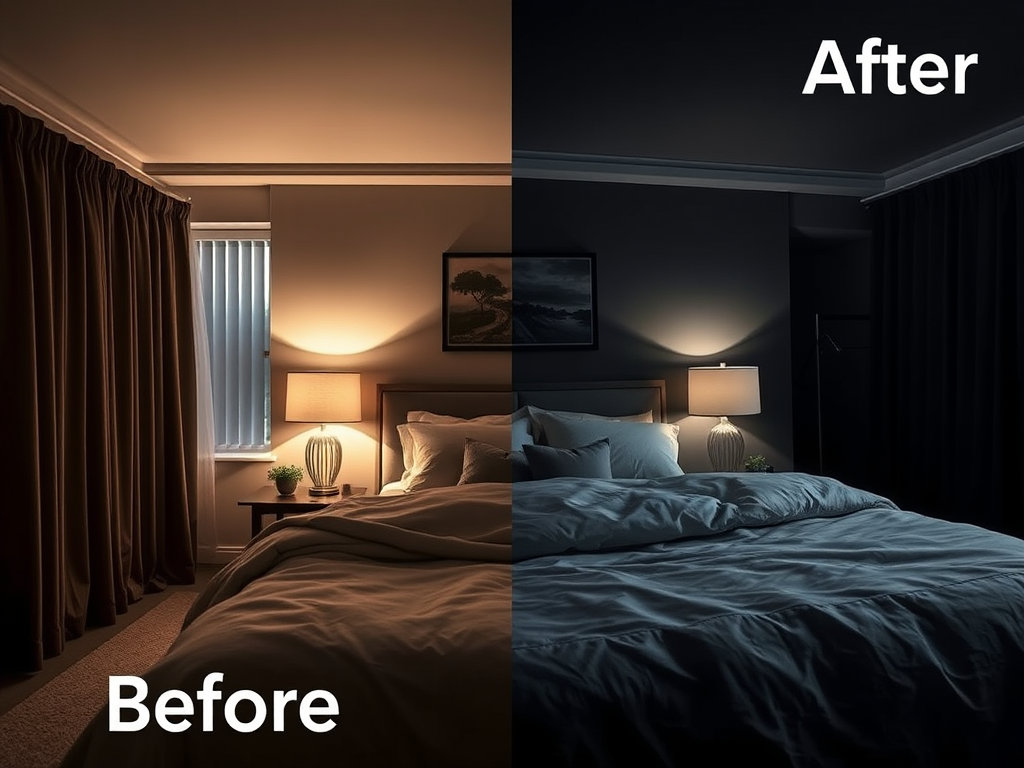
Blackout Curtains: Light Control Is Critical
Even small light sources:
- Reduce melatonin
- Fragment sleep cycles
Blackout curtains:
- Improve sleep depth
- Reduce early waking
- Help shift workers and city dwellers
Bedroom before and after blackout curtains, night vs deep darkness comparison
White Noise Machines: Sound Stability
Sudden noise disrupts sleep more than steady noise.
White noise:
- Masks traffic and neighbors
- Helps light sleepers
- Supports REM continuity
Alternatives:
- Fan noise
- Brown noise
- Rain sounds
Step 2: The 5-Step Program to Fix Insomnia
This program is evidence-based and gradual.
Step 1 – Fix Wake-Up Time
Go to bed when sleepy.
Wake up at the same time daily.
Even on weekends.
Consistency resets circadian rhythm.
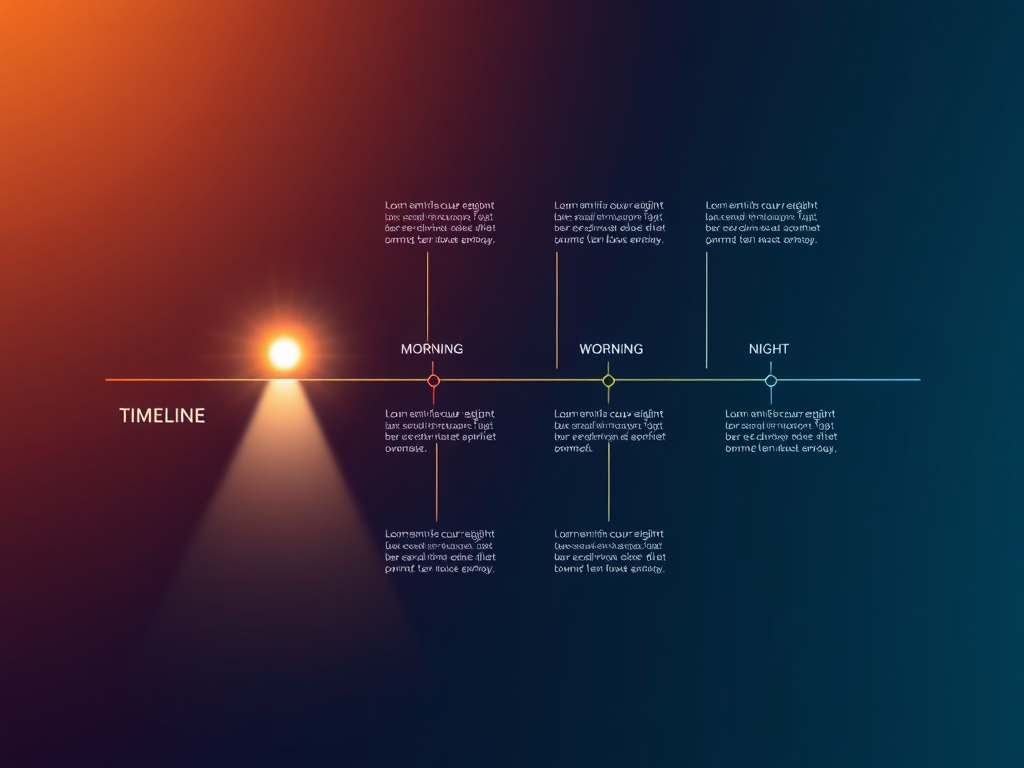
Step 2 – Control Light Exposure
Morning:
- Bright natural light within 30 minutes
Evening:
- Dim lights after sunset
- No overhead LEDs
Blue-light blocking glasses help after 8 PM.
Timeline showing light exposure from morning to night, circadian rhythm graphic
Step 3 – Reduce Sleep Anxiety
Trying to sleep increases arousal.
Instead:
- Focus on rest, not sleep
- Read neutral material
- Use body relaxation
Sleep arrives indirectly.
Step 4 – Manage Stimulants and Timing
Caffeine half-life is 6–8 hours.
Rules:
- No caffeine after 2 PM
- No alcohol 3 hours before bed
Alcohol reduces REM sleep.
“Sleep Better Tonight: Science‑Backed Habits for Deep Rest”
Step 5 – Retrain the Bed
The bed is only for:
- Sleep
- Intimacy
No work.
No scrolling.
No stress thinking.
This rebuilds sleep association.
Step 3: Sleep Supplements – What Actually Works
Supplements help only when habits are correct.
Magnesium (Glycinate or Threonate)
Benefits:
- Calms the nervous system
- Improves sleep depth
Dose:
- 200–400 mg before bed
Melatonin (Use Carefully)
Melatonin is a timing signal, not a sedative.
Effective dose:
- 0.3–1 mg
- Taken 3–4 hours before bed
High doses worsen sleep quality.
Glycine
An amino acid that:
- Lowers core body temperature
- Improves sleep onset
Dose:
- 3 grams before bed
Step 4: Temperature and Body Regulation
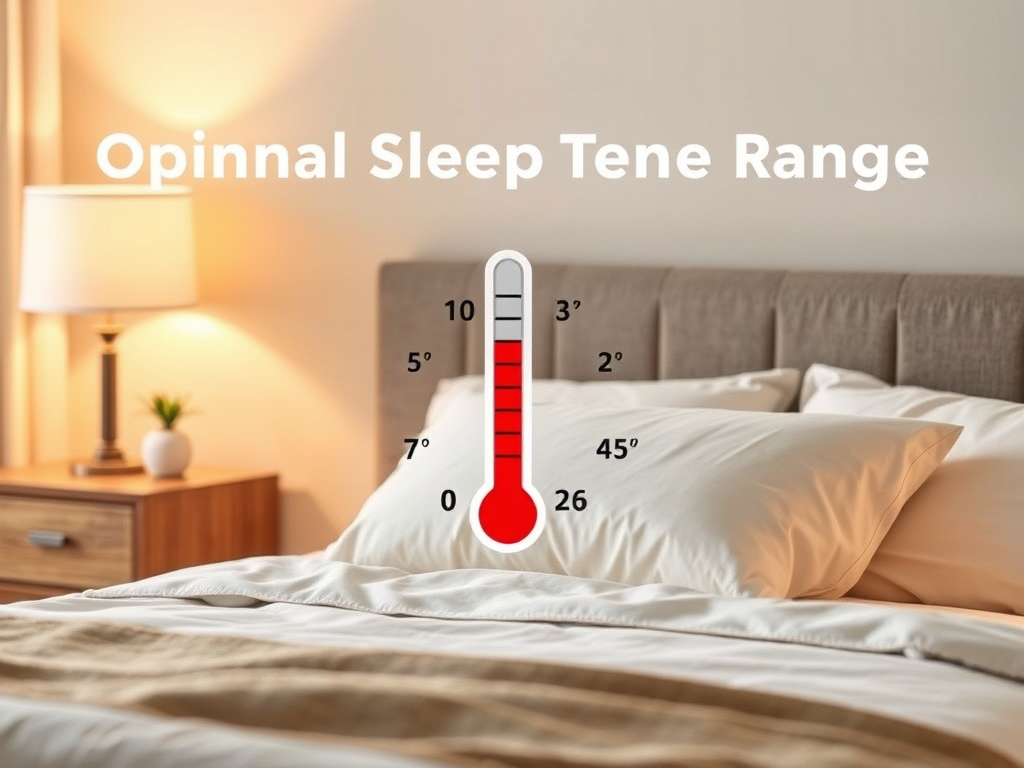
Ideal Sleep Temperature
Best range:
- 60–67°F (15–19°C)
Cool rooms increase deep sleep.
Hot rooms fragment REM.
Thermometer icon over a bed showing optimal sleep temperature range
Warm Showers Before Bed
A warm shower:
- Increases blood flow to skin
- Triggers a post-shower temperature drop
This signals sleep onset.
Step 5: Evening Routine That Actually Works
Good routines are boring but effective.
60-Minute Wind-Down Formula
- 20 min light movement or stretching
- 20 min low-light reading
- 20 min breathing or journaling
Consistency beats creativity.
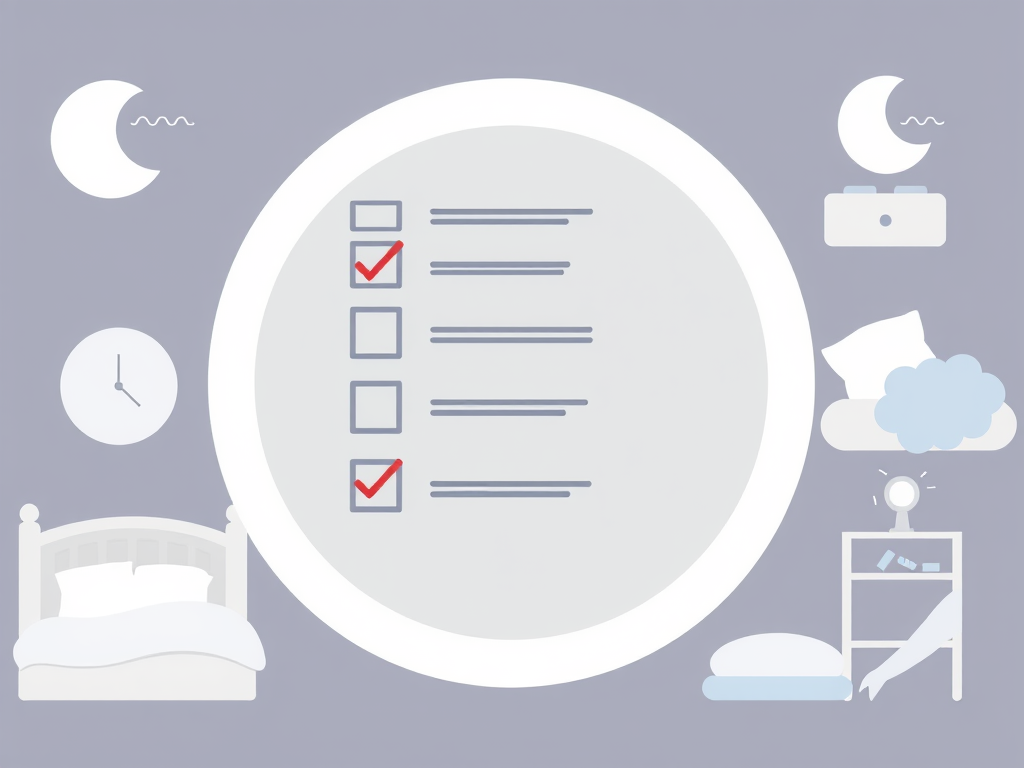
Sleep Hygiene Checklist (Save This)
Daily Sleep Hygiene
✔ Wake up same time
✔ Morning light exposure
✔ Limit naps to 20 minutes
✔ Eat dinner 3 hours before bed
Nighttime Sleep Hygiene
✔ Dim lights
✔ Cool room
✔ No phone in bed
✔ Quiet environment
Checklist-style illustration with sleep icons, minimal flat design
Common Sleep Myths (Debunked)
“I Can Catch Up on Sleep”
Sleep debt cannot be fully repaid.
Consistency matters more than duration spikes.
“More Time in Bed Helps”
Spending too long in bed worsens insomnia.
Sleep efficiency matters.
Sleep Optimization for Busy Adults
You do not need perfection.
Focus on:
- Wake time
- Light exposure
- Bed association
These deliver 80% of results.
When to Seek Professional Help
Consider a sleep specialist if:
- Insomnia lasts 3+ months
- Loud snoring and gasping occur
- Daytime sleepiness persists
Conditions like sleep apnea require diagnosis.
✅ Summary
- Sleep is a biological system, not a trick
- Environment shapes sleep quality
- Consistency beats supplements
- Insomnia improves through retraining
- Products support habits—not replace them
⭐ Key Tips
- Fix wake time first
- Control light and temperature
- Use supplements strategically
- Keep the bed sacred
- Optimize the system, not willpower
For more ideas to support a balanced and intentional life, explore the full Health & Wellness Hub.
<< You Might Also Like >>
Work Smarter, Not Longer: The 15-Minute Framework That Triples Your Focus
The Essential Guide to Intermittent Fasting
Upgrade Your Home Cinema Experience! 🍿
Get ready to dive into a world of endless entertainment with the Amazon Fire TV. From the latest movies to your favorite TV shows, everything is just a click away. Experience stunning picture quality and seamless streaming like never before.
Leave a Reply to “30‑Day Winter Body Plan: Home Workouts, Gear, and Supplement Guide” Cancel reply