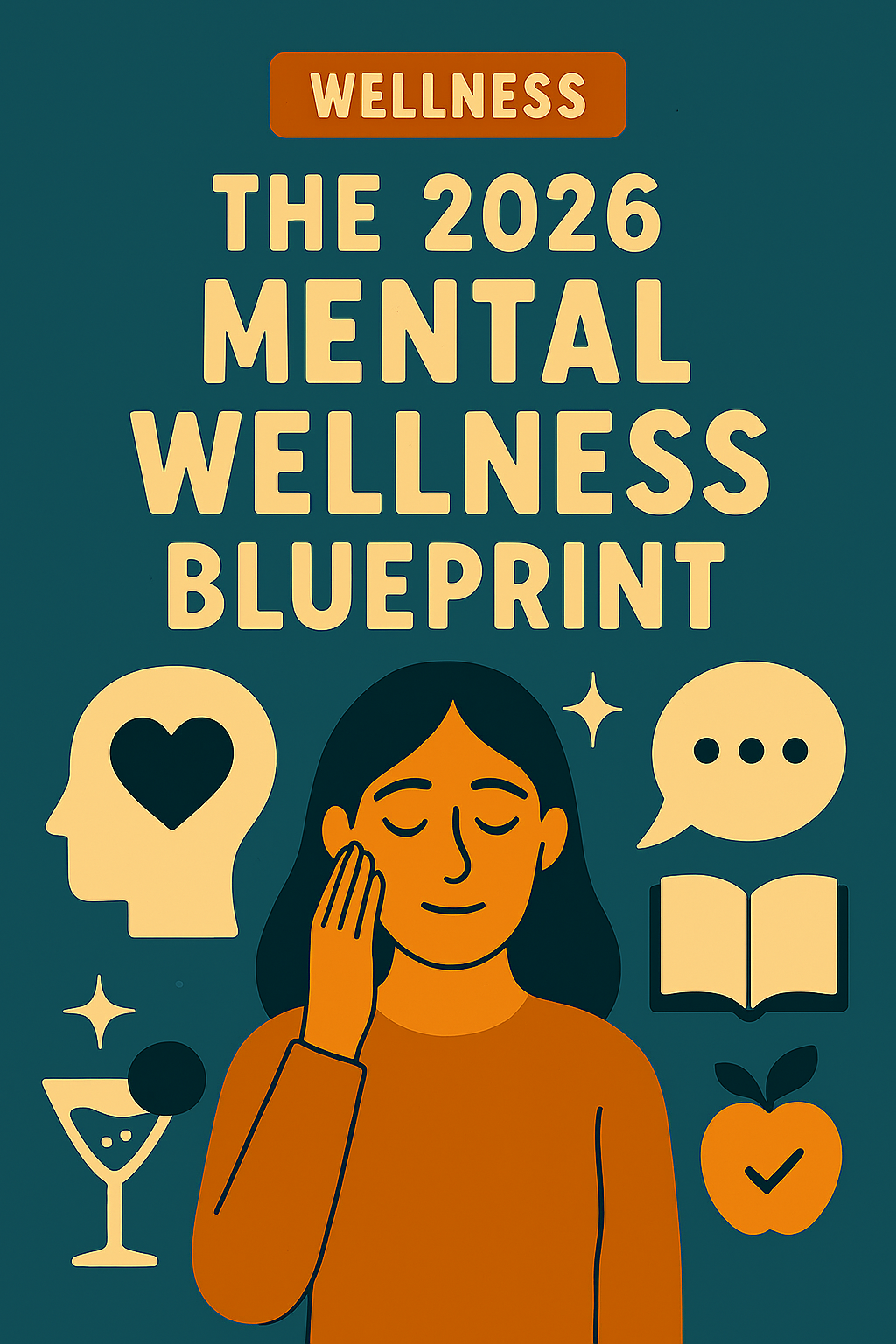
“A Calm Holiday: Stress‑Free Strategies That Work”
Modern life is noisy, fast, and constantly demanding our attention. By 2026, more people than ever are juggling remote work, social media overload, financial uncertainty, and a 24/7 news cycle. It is no surprise that stress, anxiety, and burnout are at record highs.
But there is good news: mental wellness is not just a vague ideal. It is something you can cultivate systematically, using practical habits grounded in psychology and neuroscience. This guide is designed for English-speaking readers who want a clear, science-based roadmap to feeling calmer, more focused, and more resilient in 2026 and beyond.
We will cover:
- What “mental wellness” really means in 2026
- Why self‑care is a skill, not a luxury
- A science-backed checklist you can actually use every day
- Meditation and mindfulness apps: Headspace and Calm (with tips for using them effectively)
- Expert-backed perspectives on anxiety, habits, and resilience
- How to build a long‑term self‑care system that fits your real life
Throughout the article, you will also find AI illustration prompts you can use to create visuals for your blog or social media.
1. What Mental Wellness Really Means in 2026
For years, “mental health” was mostly discussed in the context of disorders and crises. But in 2026, more people are embracing a broader concept: mental wellness.
Mental wellness is not about being happy all the time. It is about:
- Regulating your emotions without numbing or suppressing them
- Staying functional and grounded under stress
- Recovering after difficult experiences
- Maintaining a sense of meaning, connection, and self‑respect
Think of mental wellness as fitness for your mind. Just as physical fitness requires regular movement, mental wellness requires regular mental and emotional practices.
Researchers in positive psychology and neuroscience have shown that our brains are far more changeable than we once thought. Practices like meditation, cognitive restructuring, sleep hygiene, and exercise can literally reshape neural pathways associated with attention, emotion regulation, and stress response.
In other words, your mental state is not fixed. With consistent habits, you can train your mind to become calmer, clearer, and kinder to yourself.
2. Self‑Care Is a Skill, Not a Luxury
Self‑care has been heavily commercialized. Many people now associate it with spa days, expensive products, or temporary escapes. But real self‑care is often the opposite of indulgence.
It is:
- Going to bed on time instead of scrolling
- Saying no to commitments that drain you
- Scheduling therapy or coaching instead of waiting for a crisis
- Moving your body even when you “don’t feel like it”
- Checking in with yourself before you reach burnout
Clinical psychologists often describe self‑care as a skill set that includes:
- Emotional awareness (knowing what you feel)
- Boundary setting
- Stress management tools (breathing, grounding, reframing)
- Planning and consistency
The encouraging part: skills can be learned and improved over time, regardless of your starting point.
3. A Science‑Based Mental Health Checklist for Everyday Life
Before we dive into apps and expert quotes, it helps to have a simple checklist you can return to every day. You can treat this as a daily or weekly reflection tool.
Core Areas of Mental Wellness
- Sleep and Recovery
- Body and Movement
- Mind and Attention
- Emotions and Self‑Talk
- Relationships and Connection
- Meaning, Values, and Goals
Below is a practical checklist inspired by research in behavioral science and mental health.
3.1 Sleep and Recovery
A large body of research shows that sleep deprivation increases anxiety, lowers mood, and impairs decision‑making. A 2021 study in Nature Human Behaviour found that even a small reduction in sleep quality significantly predicts next‑day negative mood.
Daily checklist – Sleep:
- ☐ Did I get at least 7 hours of sleep last night?
- ☐ Did I avoid screens for 30–60 minutes before bed?
- ☐ Do I have a consistent sleep and wake time (within 1 hour) most days?
- ☐ Did I create a simple wind‑down ritual (dim lights, reading, light stretching, or breathing)?
You do not need perfect sleep every night. Aim for mostly consistent patterns.
3.2 Body and Movement
Mental and physical health are deeply connected. Regular moderate exercise has been shown to reduce symptoms of depression and anxiety and improve cognitive function.
Daily checklist – Movement:
- ☐ Did I move my body for at least 20–30 minutes today (walking counts)?
- ☐ Did I spend a few minutes stretching or loosening up after sitting for long periods?
- ☐ Did I have at least one moment of intentional breathing (3–5 slow deep breaths)?
You do not have to become an athlete. Walking, gentle yoga, or light home workouts can be powerful.

Mastering Calm: Yoga & Meditation for Modern Stress
3.3 Mind and Attention
Your attention is your most valuable mental resource. Constant multitasking and notifications fragment your mind and increase stress.
Mindfulness practices train the brain to notice thoughts and feelings without automatically reacting to them. Studies using brain imaging have shown that regular mindfulness meditation can change activity in areas related to emotion regulation and self‑awareness.
Daily checklist – Attention:
- ☐ Did I have at least 5–10 minutes of focused time with no multitasking?
- ☐ Did I silence or limit notifications during at least one deep work or rest period?
- ☐ Did I do a short mindfulness or breathing exercise (even 3 minutes)?
We will talk about how to use Headspace and Calm for this in Section 4.
3.4 Emotions and Self‑Talk
Many people either suppress their emotions or get overwhelmed by them. Neither extreme is healthy. Emotion regulation starts with naming what you feel and recognizing that feelings are signals, not commands.
Cognitive‑behavioral therapy (CBT), one of the most researched psychological treatments, focuses on how thoughts shape emotions and behaviors. Learning to question harsh self‑talk can significantly reduce anxiety and depressive symptoms.
Daily checklist – Emotions and Self‑Talk:
- ☐ Did I pause at least once today and ask myself, “What am I feeling right now?”
- ☐ When I caught myself thinking, “I’m a failure” or “Nothing will work,” did I challenge that thought?
- ☐ Did I speak to myself at least once today as I would to a close friend?
You can keep a small journal or notes app just for this purpose.
3.5 Relationships and Connection
Loneliness is not just a feeling; it is a risk factor for physical and mental health problems. Social support protects against stress and burnout.
Daily/weekly checklist – Connection:
- ☐ Did I have at least one real conversation (not just likes or comments) this week?
- ☐ Did I express appreciation to someone (a message, call, or small act)?
- ☐ Did I set or protect at least one boundary to avoid resentment or exhaustion?
Connection does not require a huge social circle. Even a few stable, supportive relationships matter.
3.6 Meaning, Values, and Goals
People who have a sense of meaning and alignment with their values tend to be more resilient under stress. Meaning does not have to come from a big, dramatic life purpose. It often comes from small, consistent acts that reflect what matters to you: kindness, learning, creativity, faith, service, or family.
Weekly checklist – Meaning and Direction:
- ☐ Did I do at least one activity that feels personally meaningful (not just productive)?
- ☐ Can I name my top 2–3 values (for example, growth, family, compassion, faith, creativity)?
- ☐ Did my actions this week align with those values in at least one clear way?
4. Meditation App Reviews: Headspace and Calm (Affiliate‑Friendly Overview)
Mindfulness and meditation no longer belong only to monasteries or yoga studios. They are in your pocket, on your phone. Two of the most popular apps are Headspace and Calm, both of which have strong track records, scientific backing, and broad user bases.
4.1 Headspace: Friendly, Structured Mind Training
What it is:
Headspace is a guided meditation and mindfulness app known for its bright, friendly design and very approachable teaching style. It is ideal for beginners and people who feel intimidated by the idea of “meditation.”
Best for:
- Beginners who want step‑by‑step guidance
- People who like short, structured sessions
- Users who enjoy a playful, animated style
Key Features (as of 2026):
- Courses for specific goals: stress, sleep, work focus, anxiety management, mindful eating, and more
- Short sessions: many practices are 3–10 minutes, which helps with consistency
- Sleep content: sleep casts, soundscapes, and wind‑down meditations
- Focus music and sound: curated playlists to help you concentrate or relax
Science‑Based Angle:
Headspace has collaborated with research institutions to study the effects of their programs. Some published research has shown improvements in stress levels, focus, and well‑being for participants who used the app regularly over several weeks.
Pros:
- Extremely beginner‑friendly
- Clear, structured learning path
- High‑quality audio and animation
- Great for building a daily habit of short meditations
Cons:
- The tone may feel a bit too playful or “app‑like” for people who prefer a minimal aesthetic
- Some of the best content is behind the paid subscription
How to Recommend It (Affiliate Perspective):
You can honestly recommend Headspace to readers who:
- Have never meditated before
- Want a friendly introduction to mindfulness
- Need short, guided sessions to fit a busy schedule
In your article, you might say something like:
“If you are completely new to meditation and want a clear, friendly starting point, Headspace is one of the most accessible tools available today. You can start with just 3 minutes a day and gradually build up.”
4.2 Calm: Soothing, Aesthetic, and Sleep‑Focused
What it is:
Calm is another leading meditation and mental wellness app, with a strong emphasis on relaxation, sleep, and soothing visuals and sounds.
Best for:
- People struggling with sleep and nighttime anxiety
- Users who love beautiful visuals and calming soundscapes
- Those who want a mix of mindfulness, gentle movement, and storytelling
Key Features (as of 2026):
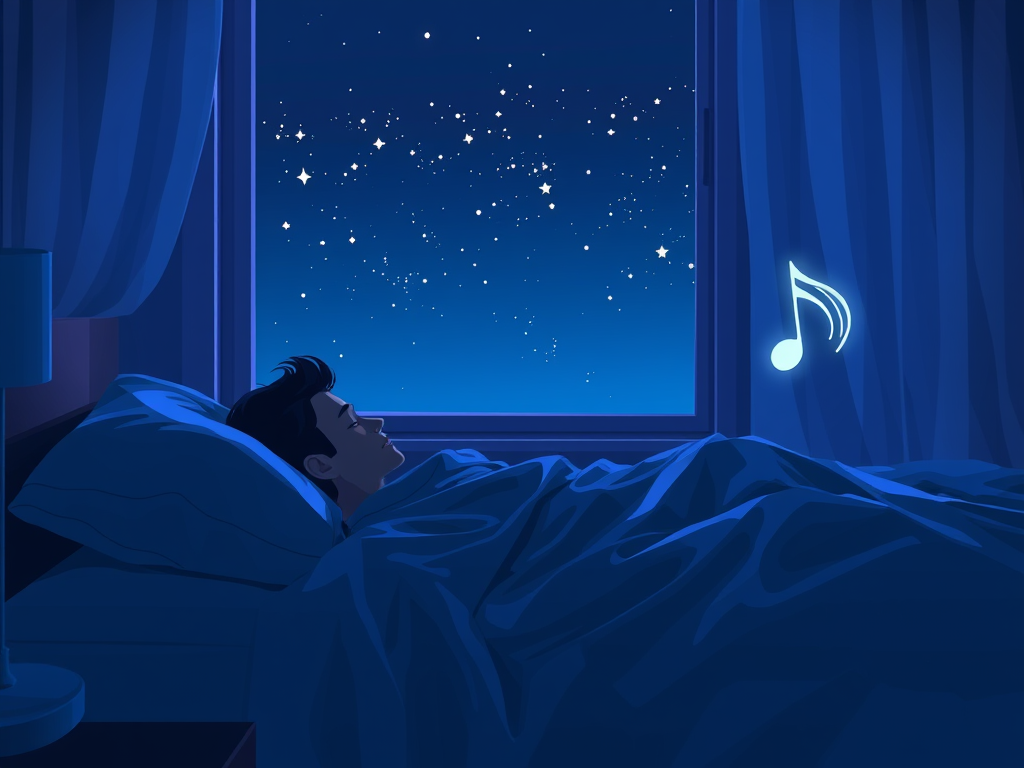
- Sleep stories: narrated bedtime stories for adults to help you unwind
- Guided meditations: for stress, self‑compassion, anxiety relief, and more
- Soundscapes and music: nature sounds, instrumental tracks, focus music
- Gentle movement sessions: short stretching or relaxation exercises
Science‑Based Angle:
Calm has supported and partnered with studies exploring how app‑based meditation affects stress and well‑being. While apps are not a substitute for therapy, regular use of Calm’s guided practices can reduce perceived stress and improve sleep quality for many users.
Pros:
- Excellent for sleep hygiene and relaxation
- High production value: visuals, music, and narration
- Wide variety of tools: breathing exercises, stories, meditations, movement
Cons:
- May feel more like a “relaxation” app than a structured training program for some users
- Like Headspace, the most valuable content is in the paid subscription
How to Recommend It (Affiliate Perspective):
Calm is a strong recommendation for readers who:
- Struggle with falling asleep or waking up anxious
- Respond well to audio storytelling and soothing sound
- Want a relaxing evening ritual instead of endlessly scrolling
You might frame it like this:
“If your biggest challenge is getting your mind to slow down at night, Calm’s sleep stories and soundscapes can help you create a consistent, soothing bedtime ritual.”
Pair your affiliate link with specific suggestions: “Start with a 7‑day sleep program or a bedtime story that matches your mood.”
4.3 Headspace vs. Calm: Which One Should You Choose?
Both apps are powerful tools, but they serve slightly different needs.
- Choose Headspace if:
- You want a structured, educational approach to mindfulness
- You like short, daily sessions with a clear progression
- You are goal‑oriented and enjoy “completing” courses
- Choose Calm if:
- Your main struggle is falling asleep or unwinding at night
- You are visual and auditory: you love music, nature sounds, and stories
- You want your app to feel like a personal “relaxation space”
Some users even use both: Headspace for daily practice and Calm for sleep. As an affiliate, you can be transparent about that and explain honestly where each app shines.
5. Expert Perspectives: What Psychologists and Researchers Emphasize
While apps are helpful, they work best when combined with evidence‑based principles from mental health professionals. Below are synthesized insights inspired by common themes from psychologists, psychiatrists, and researchers. (These are not direct quotes from specific named experts, but they reflect widely shared, research-backed ideas.)
5.1 On Anxiety and Uncertainty
Many clinical psychologists emphasize that anxiety is not the enemy; it is a signal. Problems arise when we:
- Avoid everything that triggers anxiety
- Believe every anxious thought as if it were a fact
- Judge ourselves for feeling anxious in the first place
A common strategy from CBT is to:
- Notice the anxious thought (“I’m going to fail,” “Everyone will judge me”).
- Label it as a thought, not reality.
- Gently question it: “What evidence supports or contradicts this?”
- Replace it with a more balanced thought: “This is challenging, but I have handled hard things before.”
Over time, this rewires your default mental patterns.
5.2 On Habits and Behavior Change
Behavioral scientists often stress that small, consistent habits beat big, temporary efforts. Instead of promising yourself a 60‑minute meditation every day, start with:
- 3 minutes of breathing
- 5 minutes of stretching
- One sentence of journaling
Habits form more easily when you:
- Attach them to existing routines (habit stacking):
- After brushing your teeth → 3 minutes of breathing
- Before opening social media → 5 deep breaths
- Make them pleasant and easy, especially at the beginning
- Track your progress visually (checklist, app, or habit tracker)
5.3 On Resilience and Self‑Compassion
Research by psychologists such as Kristin Neff has shown that self‑compassion is strongly linked to resilience, lower anxiety, and greater motivation. Self‑compassion is not self‑pity or self‑indulgence. It has three components:
- Mindfulness: noticing your suffering without exaggeration or denial
- Common humanity: remembering that everyone struggles
- Kindness toward yourself: speaking to yourself the way you would speak to a dear friend
When you fail, relapse, or feel overwhelmed, self‑compassion allows you to try again instead of giving up.

6. Putting It All Together: Your 2026 Self‑Care Plan
To turn this guide into real change, you need a simple, flexible plan. Here is a sample framework you can adapt to your lifestyle.
Step 1: Choose Your Focus for the Next 30 Days
Instead of trying to fix everything at once, choose one or two priority areas, such as:
- Sleep and recovery
- Daily mindfulness
- Emotional regulation and self‑talk
- Building a consistent sleep ritual with Calm
- Establishing a daily Headspace meditation habit
Write it down:
“For the next 30 days, my core focus is: .”
Step 2: Design a Tiny Daily Routine
Example routine for a busy person:
- Morning (5–10 minutes):
- 5 minutes of guided meditation with Headspace
- 1 sentence of intention‑setting (“Today, I want to practice patience with myself.”)
- Afternoon (2–3 minutes):
- 3 deep breaths before opening email or social media
- Quick body stretch or short walk
- Evening (10–20 minutes):
- Wind‑down routine: dim lights, no screens 30 minutes before bed
- 10 minutes of a Calm sleep story or soundscape
- Quick checklist review: “How was my sleep, movement, emotions, and connection today?”
Total time: often under 30 minutes spread across the day.
Step 3: Use the Checklist Once a Week
Once a week, sit down with the mental health checklist from Section 3 and ask:
- Which area is going well?
- Where am I struggling?
- What small adjustment can I make for next week?
This turns your life into a gentle experiment instead of a constant self‑judgment.
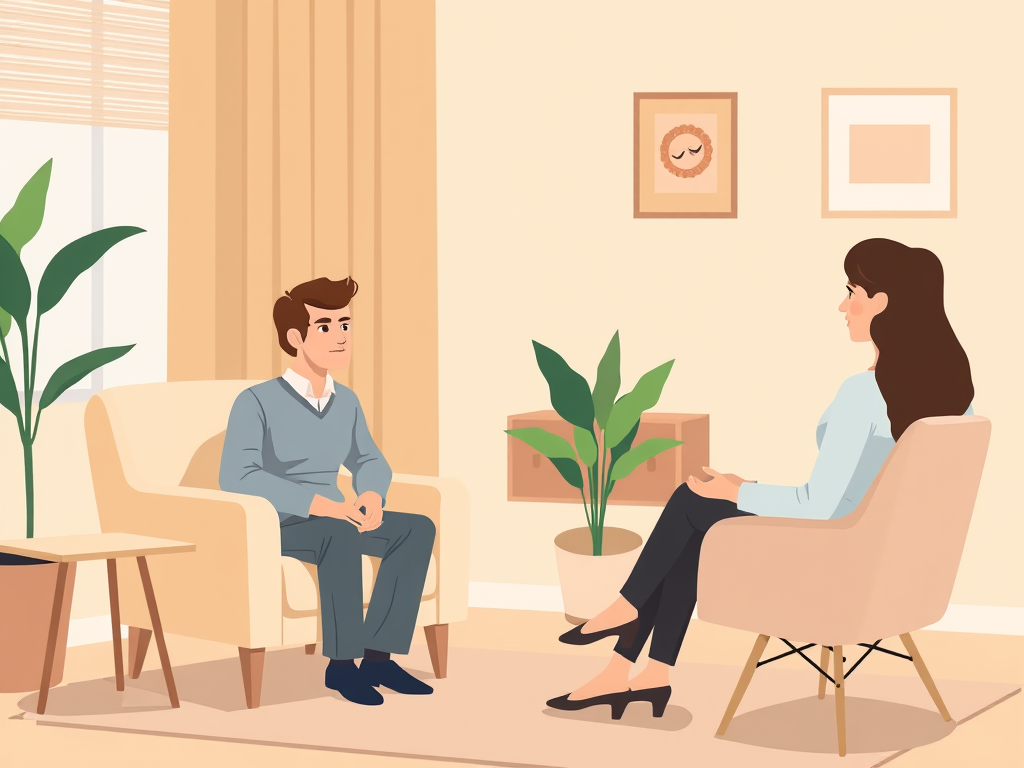
Step 4: Know When to Seek Professional Help
Self‑care and apps are powerful, but they are not a replacement for therapy or medical care. Consider reaching out to a mental health professional if:
- You feel hopeless most days for two weeks or more
- You lose interest in activities you normally enjoy
- You have persistent thoughts of self‑harm or feel like life is not worth living
- Your anxiety or mood makes it hard to work, study, or maintain relationships
There is courage, not weakness, in asking for help.
7. Final Thoughts: Mental Wellness Is a Long‑Term Relationship With Yourself
Mental wellness in 2026 is not about becoming perfectly calm or endlessly productive. It is about building a long‑term, respectful relationship with yourself.
That relationship is built through:
- Small, repeatable habits (breathing, movement, sleep hygiene)
- Honest self‑reflection and kinder self‑talk
- Meaningful connections and boundaries
- Tools like Headspace and Calm that support your practice
- The willingness to ask for help when you need it
You do not need to transform your life overnight. Begin with one tiny shift—a 3‑minute meditation, a gentle walk, one compassionate sentence to yourself—and let those small decisions accumulate.
Your mind is trainable. Your emotions are understandable. Your well‑being is worth the effort.
For more ideas to support a balanced and intentional life, explore the full Health & Wellness Hub.
<< You Might Also Like >>
https://summitselect.org/intermittent-fasting-guide-benefits-and-how-to-start/
The Essential Guide to Intermittent Fasting
Stream Your Favorites Faster & Better! 📺
Why wait? Upgrade to Amazon Fire TV and enjoy lightning-fast streaming and thousands of apps at your fingertips. It’s time to level up your TV game! 🚀
Leave a Reply to The Zero‑Energy Growth Method: 3 Fail‑Proof Ways to Rebuild Momentum When You’re Burned Out Cancel reply