The Bottom Line First
Intermittent fasting is not a magic diet.
But when done correctly, it can improve metabolic health, simplify eating habits, and help many people feel more in control of their energy and focus.
The key is how you do it, who it’s for, and when it’s not appropriate.
This guide explains:
- What intermittent fasting really is
- What science actually supports
- How to start safely without burnout
- Who should not try it
No hype. No extremes. Just clarity.
What Is Intermittent Fasting (IF), Really?
Intermittent fasting is not about what you eat.
It’s about when you eat.
You cycle between:
- Eating windows
- Fasting windows
No specific foods are required.
No calorie counting is mandatory.

“Simple timeline graphic showing eating and fasting windows across a 24-hour day”
Why IF Became Popular
Intermittent fasting gained attention because it:
- Fits busy schedules
- Reduces decision fatigue
- Aligns with how humans historically ate
Many people eat too often, not necessarily too much.
“Winter Morning Rituals for a Healthier, Happier You”
The Science Behind Intermittent Fasting
What Happens in Your Body During Fasting
After about 12–16 hours without food, your body:
- Lowers insulin levels
- Shifts toward fat usage
- Activates cellular repair processes
This is sometimes called metabolic switching.
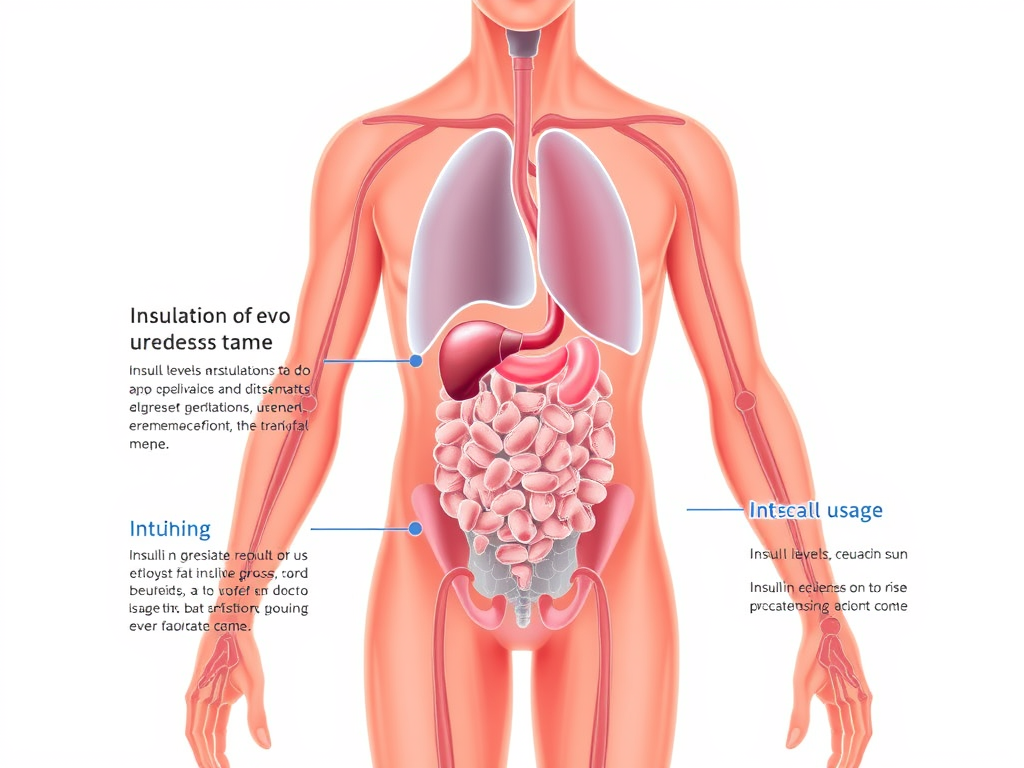
“Human body diagram showing insulin levels dropping and fat usage increasing over time”
Key Research-Backed Benefits
Scientific studies associate IF with:
- Improved insulin sensitivity
- Better blood sugar control
- Reduced inflammation
- Potential cardiovascular benefits
Important note:
Benefits vary widely between individuals.
Common Intermittent Fasting Methods (Explained Simply)
16:8 Method (Most Popular)
- 16 hours fasting
- 8 hours eating
Example:
- Eat from 12 PM to 8 PM
Best for beginners.
14:10 Method (Gentler Option)
- 14 hours fasting
- 10 hours eating
Great if 16 hours feels too difficult.
5:2 Method
- Eat normally 5 days
- Reduced intake 2 non-consecutive days
Requires more planning.
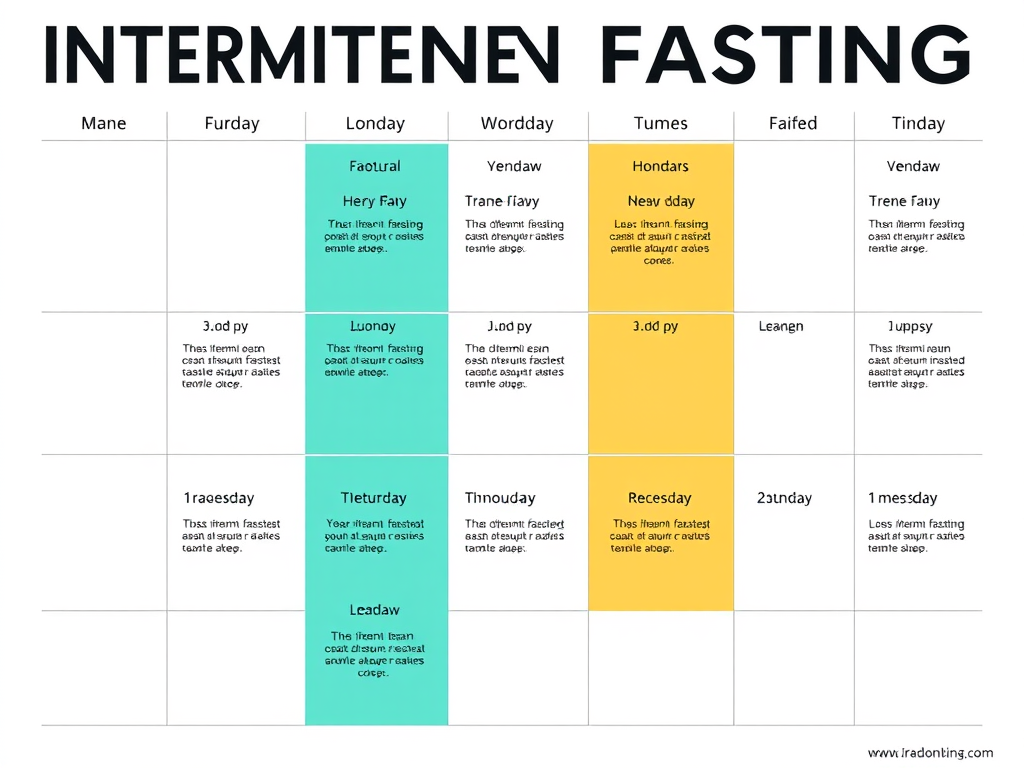
“Calendar layout showing different intermittent fasting schedules”
What Intermittent Fasting Is NOT
This matters more than people think.
Intermittent fasting is not:
- Starving
- Skipping nutrition
- Eating as little as possible
- A punishment system
If fasting causes:
- Dizziness
- Obsession with food
- Extreme fatigue
It’s a sign to stop or adjust.
Who Should Be Cautious or Avoid IF
Intermittent fasting is not appropriate for everyone.
You should consult a professional if you:
- Have a history of eating disorders
- Are pregnant or breastfeeding
- Have diabetes or blood sugar disorders
- Are under medical treatment requiring regular meals

“Gentle warning illustration showing diverse people with medical icons”
How to Start Intermittent Fasting Safely (Step-by-Step)
Step 1: Start With Time, Not Restriction
Don’t change what you eat yet.
Only adjust meal timing.
Begin with:
- 12 hours fasting
- Slowly increase if comfortable
Step 2: Eat Proper Meals
During eating windows:
- Prioritize protein
- Include fiber
- Don’t under-eat
Quality matters more than timing.
Step 3: Stay Hydrated
Water matters more during fasting.
Allowed drinks:
- Water
- Black coffee
- Plain tea
Avoid sweeteners.
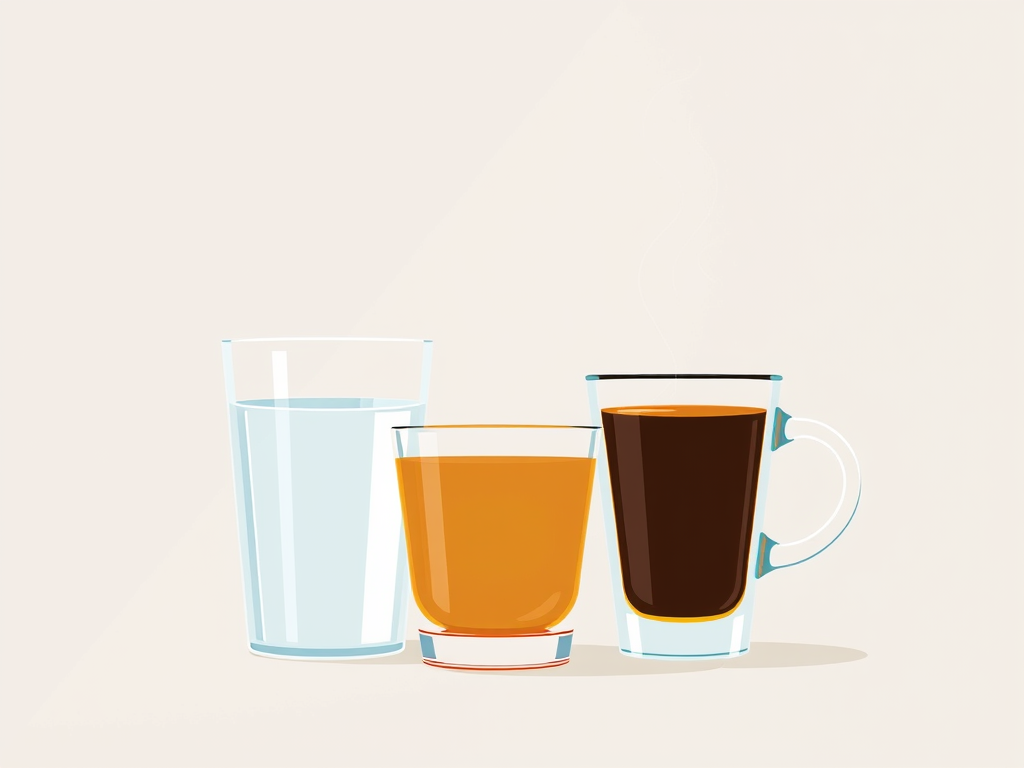
“Minimalist illustration of water, tea, and coffee during fasting window”
Common Mistakes That Make IF Fail
Skipping Meals, Then Overeating
This leads to:
- Energy crashes
- Digestive stress
IF should feel calmer, not chaotic.
Using IF as an Excuse for Poor Nutrition
Fasting does not cancel:
- Ultra-processed foods
- Lack of micronutrients
Ignoring Sleep and Stress
Poor sleep increases hunger hormones.
IF works best when:
- Sleep is adequate
- Stress is managed
Intermittent Fasting and Weight Loss: The Honest Truth
IF does not automatically cause weight loss.
It helps because:
- Fewer eating windows
- Better appetite awareness
But:
- Calories still matter
- Hormones still matter

“Balanced scale showing fasting timing on one side and nutrition on the other”
IF for Energy, Focus, and Mental Clarity
Many people report:
- Reduced brain fog
- Stable energy
- Fewer crashes
Likely reasons:
- Stable blood sugar
- Fewer digestion demands
These effects are individual.
How Long Before You See Results?
Typical timeline:
- Days 3–7: Adjustment phase
- Weeks 2–4: Energy stabilizes
- Weeks 4–8: Metabolic benefits appear
If it feels worse after 2–3 weeks:
👉 It’s not the right tool for you.
Intermittent Fasting vs Other Eating Styles
| Approach | Focus |
|---|---|
| IF | Timing |
| Keto | Macronutrients |
| Calorie Counting | Quantity |
| Mediterranean | Food quality |
IF can combine with other approaches.
Sustainable IF: The Long-Term Perspective
The best fasting plan is:
- Flexible
- Socially realistic
- Easy to stop and restart
Consistency beats intensity.

“Relaxed person eating socially while maintaining simple routine”
Frequently Asked Questions
Can I exercise while fasting?
Yes. Light to moderate exercise works well.
Listen to your body.
Does IF slow metabolism?
No evidence supports metabolic damage in healthy adults when done properly.
Can teenagers do IF?
Structured fasting is not recommended for growing adolescents without medical guidance.
Final Verdict: Is Intermittent Fasting Worth Trying?
Intermittent fasting is:
- A tool, not a rule
- Effective for some
- Unnecessary for others
If it simplifies life and improves well-being, it’s useful.
If it creates stress, it’s not.
Summary
- Intermittent fasting focuses on when you eat
- Science supports benefits for metabolic health
- It must be done flexibly and safely
- It is not suitable for everyone
Key Tips to Remember
⭐ Start slow
⭐ Eat real meals
⭐ Hydration is critical
⭐ Stop if it harms your relationship with food
⭐ Health > trends
For more ideas to support a balanced and intentional life, explore the full Health & Wellness Hub.
<< You Might Also Like >>
“Sleep Better Tonight: Science‑Backed Habits for Deep Rest”
Stream Your Favorites Faster & Better! 📺
Why wait? Upgrade to Amazon Fire TV and enjoy lightning-fast streaming and thousands of apps at your fingertips. It’s time to level up your TV game! 🚀
Leave a Reply to How to Triple Your Work-From-Home Productivity in Just 15 Minutes a Day Cancel reply