Mastering Calm: Yoga & Meditation for Modern Stress
A Practical, Science-Based Guide for Beginners
Intermittent fasting (IF) is more than just another diet trend.
When it is done correctly, it can support fat loss, metabolic health, mental clarity, and even your daily productivity.
This guide is written for English-speaking readers in North America and other Western countries.
You will find:
- Clear explanations of what intermittent fasting is
- The most common IF methods and how to choose one
- Science-backed benefits in simple language
- Realistic ways to start, with sample eating windows and meal ideas
- Common mistakes, side effects, and FAQs
- A short summary and key takeaways at the end
The goal is not perfection.
The goal is a sustainable routine that fits real life: work, family, social events, and your energy.
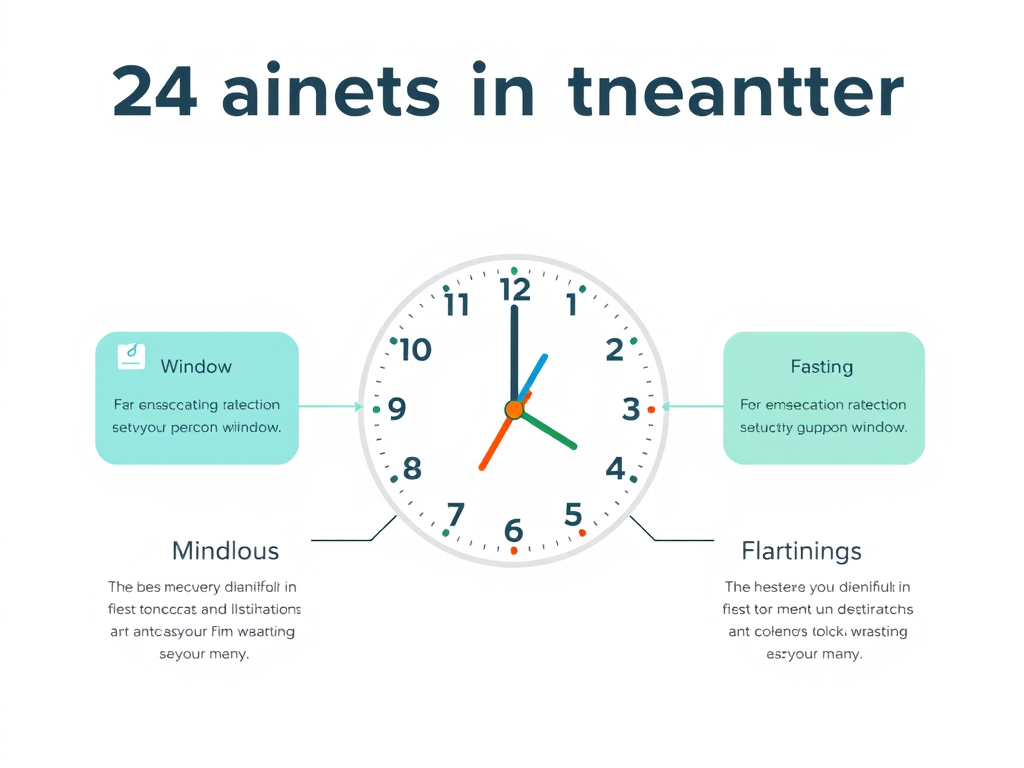
“Clean infographic of a 24-hour clock or calendar, with ‘Eating Window’ and ‘Fasting Window’ highlighted in different colors, minimal flat design, white background, friendly icon style”
“Winter Morning Rituals for a Healthier, Happier You”
What Is Intermittent Fasting?
Focusing on when you eat, not only what you eat
Intermittent fasting is an eating pattern that divides your day or week into:
- an eating window, and
- a fasting window.
During the fasting window, you avoid calories (or keep them very close to zero).
During the eating window, you eat your normal meals, ideally with a focus on whole, nutrient-dense foods.
In short:
- You give your body longer breaks from constant snacking.
- You let your metabolism reset from always being in “fed mode.”
It is closer to a “metabolic reset” than a typical diet
Traditional diets focus on:
- cutting calories hard
- avoiding specific foods or food groups
Intermittent fasting is different:
- It limits the time frame in which you eat.
- This time restriction often leads to slightly lower calorie intake and fewer insulin spikes, without tracking every bite.
You can think of IF as:
- less about strict rules for each meal,
- more about building a healthier rhythm for your body.
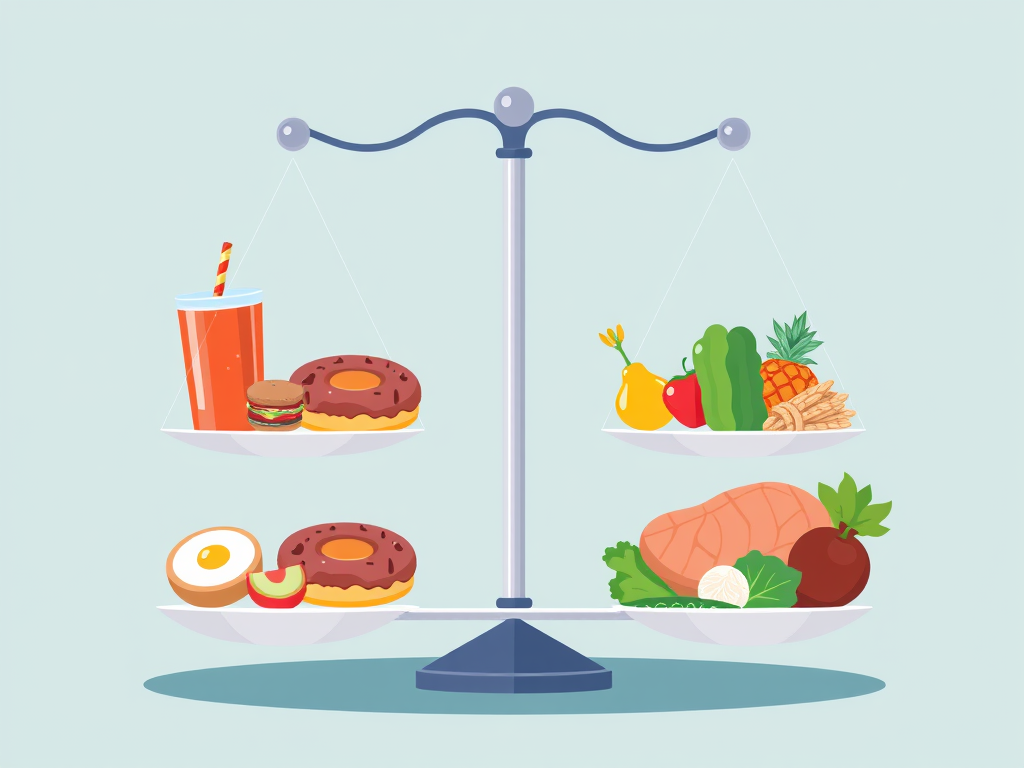
“Flat illustration of a balance scale: on one side soda, donuts, fast food; on the other side vegetables, whole grains, lean protein, with the healthy side slightly heavier, clean modern style”
The Most Common Intermittent Fasting Methods
There are many versions of intermittent fasting, but you do not need to try them all.
Most people do well starting with one simple method and adjusting over time.
The 16:8 Method – The Most Popular Starter
- 16 hours fasting + 8 hours eating
- Example:
- Last meal at 8:00 pm
- First meal the next day at 12:00 pm (noon)
This usually means:
- You skip breakfast.
- You eat 2–3 meals between noon and 8:00 pm.
Pros
- Works well with a typical office or remote-work schedule.
- Easy to repeat every day.
- Popular in North America and Europe, so there is a lot of community and resources.
Cons
- Morning people who love breakfast may find it harder.
- If dinner gets pushed too late, it may affect your sleep.
The 14:10 Method – A Gentle On-Ramp
If 16 hours feels intimidating, 14:10 is a great place to start.
- 14 hours fasting + 10 hours eating
- Example:
- Last meal at 9:00 pm
- First meal at 11:00 am the next day
Why it works well for beginners
- You still get a meaningful fasting window.
- You avoid feeling overly deprived in the first week or two.
- Once 14:10 feels normal, you can slowly move to 16:8.
The 5:2 Diet – Weekly Calorie Reduction
The 5:2 approach focuses more on weekly calories than daily fasting windows.
- 5 days per week: Eat normally (ideally not junk, but no heavy restriction).
- 2 non-consecutive days per week: Eat about
- 500 calories (women)
- 600 calories (men)
On these “low-calorie days” you might:
- have a small brunch,
- then a light dinner,
- with lots of water and unsweetened tea in between.
Pros
- You do not have to fast every day.
- You can schedule low-calorie days around your work and social life.
Cons
- Very low calorie days can feel tough mentally and physically.
- If your schedule changes often, planning 5:2 can be stressful.
OMAD (One Meal A Day) – Advanced and Not for Beginners
OMAD literally means eating one main meal per day.
Your fasting window can be 20–23 hours.
Important warning
- OMAD is not recommended for beginners.
- It can trigger:
- overeating in that one meal
- fatigue
- mood swings
- nutrient deficiencies
For most people, a more moderate pattern like 14:10 or 16:8 is both safer and more sustainable.
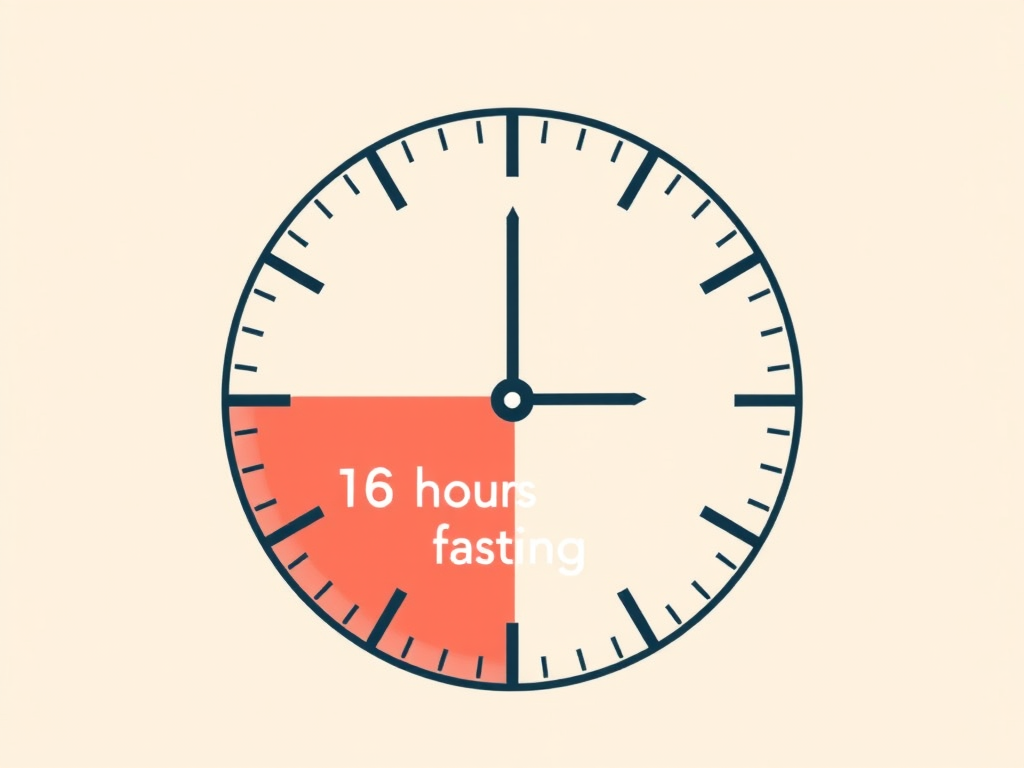
“Minimal diagram of a clock labeled ‘16 hours fasting’ around most of the circle and ‘8 hours eating’ in a colored segment, flat modern style, pastel colors”
Science-Backed Benefits of Intermittent Fasting
Research on intermittent fasting is still evolving, but several potential benefits are supported by growing evidence.
1) Weight Loss and Fat Loss
Intermittent fasting can help with weight management through two main mechanisms:
- Slightly lower calorie intake
- Fewer hours to eat usually means fewer snacks and binges.
- Late-night eating often disappears naturally.
- Improved insulin dynamics
- Insulin is a hormone that helps store nutrients, including fat.
- With fewer frequent spikes in insulin (from constant snacking), your body has more chances to tap into stored fat for energy.
This does not guarantee dramatic overnight changes.
But for many people, IF can support steady, realistic fat loss when combined with reasonable food choices.
2) Better Blood Sugar Control and Insulin Sensitivity
Longer breaks between meals can:
- reduce blood sugar swings
- give your pancreas and insulin receptors some “rest”
Over time, this may support:
- better insulin sensitivity
- improved blood sugar control
This is especially relevant for people at risk of:
- prediabetes
- metabolic syndrome
However, if you already take medication for blood sugar (like insulin or other diabetes drugs), you must talk to your doctor first before trying IF, because your medication dose may need adjustment.
3) Autophagy and Cellular “Cleanup”
Autophagy is your body’s built-in recycling system.
Cells break down old or damaged components and reuse them.
Some research suggests that time in a fasted state may:
- increase autophagy
- help your body clear out cellular “waste” more efficiently
This has led to interest in IF and healthy aging.
That said, it is important to stay realistic:
- We do not have all the answers yet.
- IF is not a magic cure-all.
It is simply one tool that might support overall cellular health.
4) Mental Clarity and Focus
Once your body adjusts to fasting, many people report:
- less afternoon crash
- more stable energy
- a sense of clear, steady focus
One reason is that with fewer blood sugar spikes and crashes, your brain gets a more consistent energy supply.
Some people also produce more ketones, which the brain can use as fuel.
In the first week or two, you might feel:
- a little tired
- irritable
- snack-obsessed
That is normal adaptation.
It usually improves as your body learns to burn stored energy more efficiently.

“Person working at a laptop with a tidy desk, head surrounded by light bulb and graph icons, representing focus and productivity, flat illustration style, light blue and green tones”
Who Might Benefit Most from Intermittent Fasting?
It can be especially helpful if…
You might find IF useful if you:
- Struggle with late-night snacking or emotional eating in the evening
- Constantly graze throughout the day and feel tired after every meal
- Feel overwhelmed by tracking calories and macros
- Want a simple, routine-based structure instead of a complicated diet
For many office workers, students, and remote workers,
a 16:8 or 14:10 schedule can fit nicely into:
- morning coffee and emails
- lunchtime break
- dinner with family or friends
But some people need extra caution
IF can be risky or inappropriate for some people, especially without medical guidance:
- People taking insulin or blood sugar–lowering medications
- Pregnant or breastfeeding individuals
- Anyone with a history of eating disorders (binge eating, anorexia, bulimia, etc.)
- Underweight individuals
- Children and teenagers still growing
- People with complex chronic illnesses and multiple medications
If any of these apply to you, talk to your healthcare provider first.
Safety comes before weight loss or quick results.
How to Start Intermittent Fasting Safely and Realistically
Step 1 – Start by measuring your current fasting window
Before changing anything, find out your real baseline:
- Write down:
- the time you usually finish your last meal or snack at night
- the time you usually eat your first meal in the morning
- Count the hours in between.
- Example: if you eat until 11:00 pm and have breakfast at 8:00 am, your fasting window is about 9 hours.
Use this number as your starting point.
You do not have to jump to 16 hours right away.
Step 2 – Progress gradually: 12:12 → 14:10 → 16:8
A safe and sustainable progression might look like this:
- 12:12
- 12 hours fasting, 12 hours eating
- Example: finish dinner by 8:00 pm, breakfast at 8:00 am
- 14:10
- After several days feeling okay with 12:12,
- extend your fast by 2 hours:
- 8:00 pm last meal → 10:00 am first meal
- 16:8
- When 14:10 feels routine,
- try 16:8:
- 8:00 pm last meal → 12:00 pm first meal
Stay at each step for at least 3–7 days.
Monitor:
- hunger levels
- mood
- sleep quality
- focus at work or school
You are building a long-term habit, not preparing for a week-long challenge.
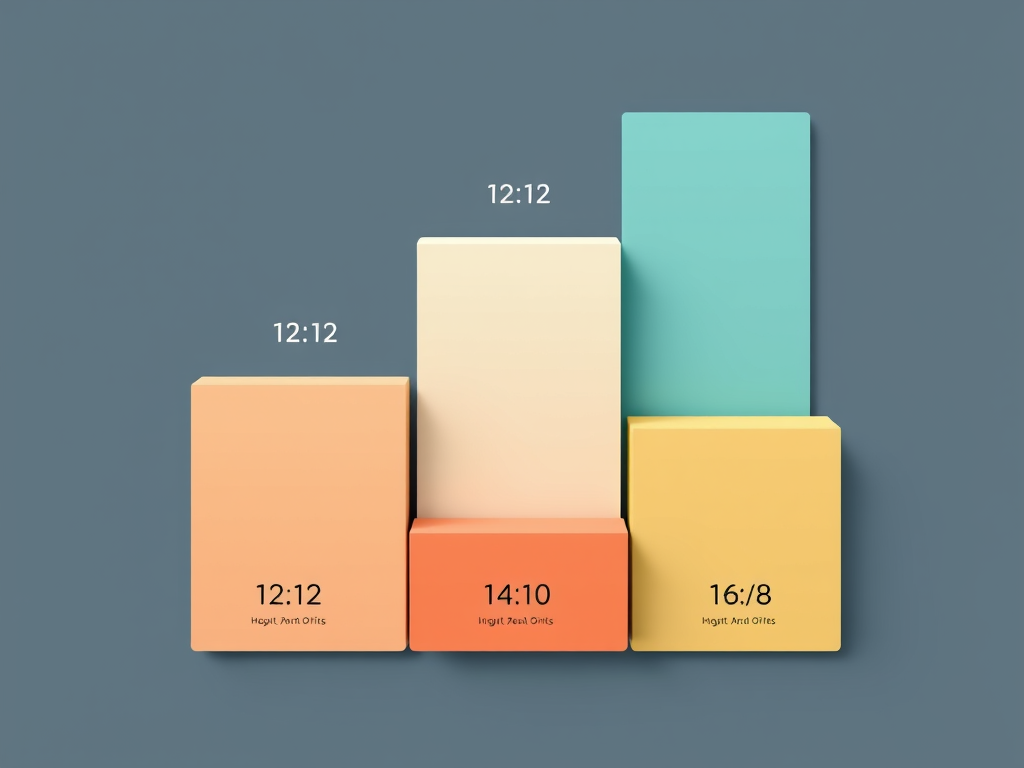
“Step-like bar chart labeled ‘12:12 → 14:10 → 16:8’ on three ascending steps, each step a different soft color, representing gradual progress, minimal infographic style”
Step 3 – Eat better, not just less often
Fasting alone does not guarantee results.
What you eat in your eating window still matters.
Aim for these principles during your eating window:
- Prioritize protein
- Chicken, turkey, fish, eggs
- Greek yogurt, cottage cheese
- Beans, lentils, tofu, tempeh
- Aim for at least a palm-sized portion of protein at each main meal.
- Choose complex carbohydrates
- Whole grains: brown rice, quinoa, oats, whole wheat bread
- Starchy veggies: sweet potatoes, beans, lentils
- These help keep blood sugar steadier and keep you full longer.
- Include healthy fats in moderation
- Avocado, olive oil, nuts, seeds, fatty fish
- Healthy fats support hormones and satiety.
- Fill your plate with vegetables and some fruit
- Leafy greens, colorful veggies
- 1–2 servings of fruit per day is usually enough for most people, especially if weight loss is your goal.
Sample 16:8 Day (Simple Example)
- 12:00 pm – Lunch
- Grilled chicken or baked salmon
- Brown rice or quinoa
- Big side salad with mixed greens, olive oil, and lemon
- A handful of nuts or seeds
- 4:00 pm – Snack
- Greek yogurt with a few berries
- A small handful of almonds
- 7:30 pm – Dinner
- Baked tofu or lean protein of your choice
- Roasted sweet potato
- Roasted vegetables (broccoli, carrots, peppers)
This is just a template.
You can adapt it to your culture, preferences, and dietary needs,
as long as you keep the basic structure: protein, fiber, healthy fats, and minimal junk.
What You Can and Cannot Have During the Fast
Allowed (Very Low or Zero Calories)
During the fasting window, the goal is to keep insulin and blood sugar as stable as possible.
Generally allowed:
- Water (still or sparkling, unsweetened)
- Black coffee (no sugar, no cream, no milk, no flavored syrups)
- Unsweetened tea (herbal, green, black tea)
- Plain herbal infusions
Note on “zero-calorie” sweeteners
- Diet sodas and artificially sweetened drinks are technically low in calories, but some people find they:
- increase cravings, or
- upset their digestion.
- If possible, keep your fasting window simple and clean with water, coffee, and tea.
Not Allowed During the Fast
These will likely “break the fast” from a metabolic point of view:
- Any drink with sugar (soda, juice, energy drinks, sweetened coffee)
- Milk, cream, half-and-half, sweetened creamers
- Protein shakes or BCAA drinks
- Snacks of any kind (even a “small bite” still counts)
If you are not sure, ask:
“Does this contain calories or significant sweeteners?”
If yes, save it for the eating window.
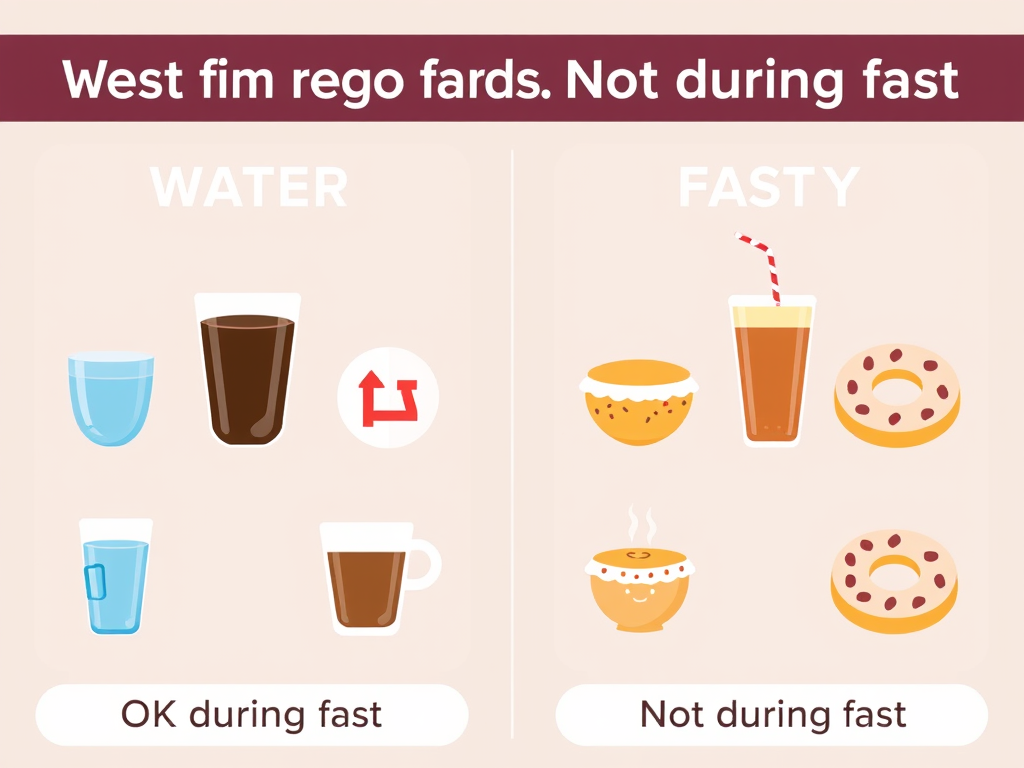
“Side-by-side comparison infographic: left column with icons of water, black coffee, herbal tea labeled ‘OK during fast’; right column with soda, latte, juice, and donut icons labeled ‘Not during fast’, flat vector style”
Common Mistakes, Side Effects, and How to Fix Them
Mistake 1 – Only focusing on fasting time, not food quality
If your eating window is full of:
- fast food
- sugary snacks
- heavy desserts
…progress will be slow and inconsistent.
Fix
- Use IF as a framework and still aim for balanced meals.
- Think: protein + fiber + healthy fat at most meals.
- Keep highly processed foods as occasional treats, not daily staples.
Mastering Calm: Yoga & Meditation for Modern Stress
Mistake 2 – Increasing fasting too quickly
Jumping straight to 18–20 hours a day can lead to:
- headaches
- intense hunger
- irritability
- binge eating in your eating window
Fix
- Move in small 1–2 hour steps.
- If you feel terrible for several days in a row, reduce your fasting window and give your body time to adjust.
Mistake 3 – Not drinking enough water
Many people unintentionally cut down water when they cut down food.
This can cause:
- headaches
- brain fog
- stronger hunger signals
Fix
- Keep a water bottle near you during your fasting window.
- Sip regularly instead of chugging at once.
- Unsweetened herbal tea can also help.
Mistake 4 – Ignoring sleep and stress
Late-night eating, heavy dinners, or too much caffeine can:
- disrupt your sleep
- increase cravings
- make IF feel miserable
Fix
- Try to finish your last meal 2–3 hours before bed.
- Avoid loading your fasting window with strong coffee late at night.
- Remember: good sleep and stress management work together with IF.
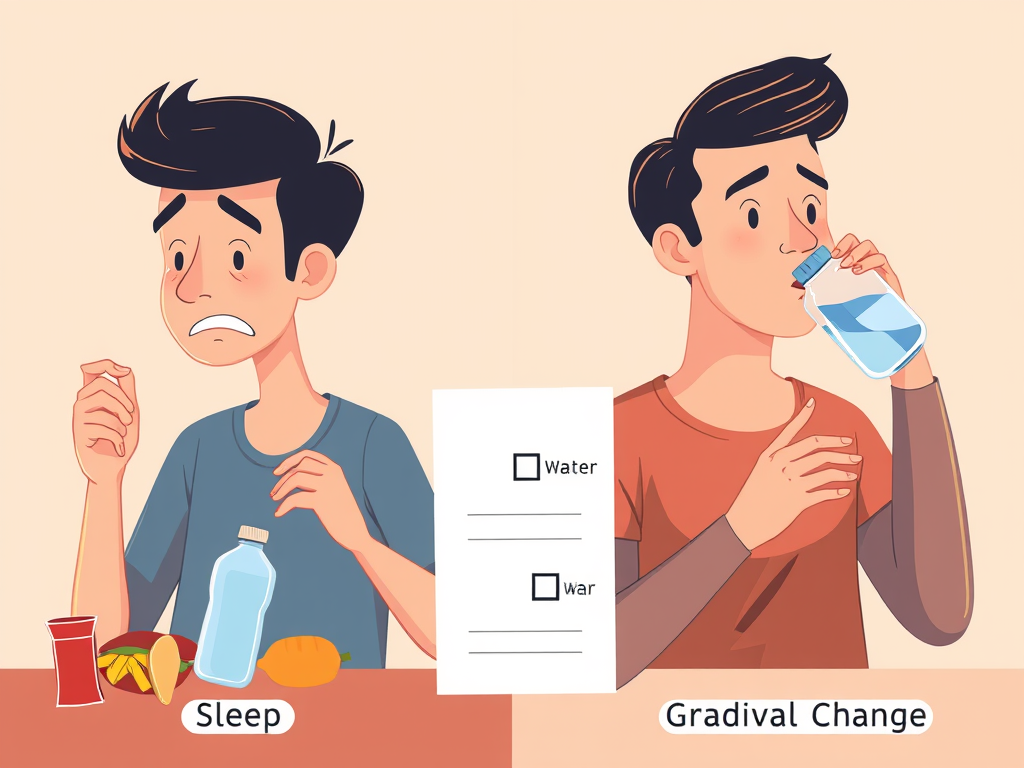
“Split illustration: on one side, a tired, hungry person with junk food and empty water bottle; on the other side, a calm person drinking water with a checklist labeled ‘Sleep, Water, Gradual Change’, flat modern style”
Frequently Asked Questions (FAQ)
Q1. Isn’t breakfast the most important meal of the day?
This depends on the person.
For some people, breakfast improves:
- focus
- mood
- workout performance
For others, skipping breakfast and starting with lunch works better.
The key question is:
- How do you feel and perform across the whole day?
- Are you hitting your nutrition needs between your first and last meal?
Intermittent fasting does not say “you must skip breakfast forever.”
It simply gives you a tool to control:
- when you eat
- how often you spike your blood sugar and insulin
If you love breakfast, you can:
- shift your eating window earlier (for example, 8:00 am–4:00 pm)
instead of skipping it.
Q2. Can I work out while fasting?
Yes, many people combine IF with exercise successfully.
Some guidelines:
- Light to moderate workouts (walking, easy jogging, yoga) are usually fine during a fast for most people.
- Many people prefer doing strength training 1–2 hours before or after a meal, so they can refuel with protein afterwards.
If you feel dizzy, shaky, or weak during fasted workouts:
- reduce the intensity,
- move your workout closer to your eating window,
- or eat a small pre-workout snack and accept a shorter fast.
If your goal includes muscle gain or maintenance,
- prioritize adequate protein and strength training over extreme fasting lengths.
“A Calm Holiday: Stress‑Free Strategies That Work”
Q3. What if I am really hungry during the fast?
First, check your basics:
- Are you eating enough protein and fiber in your eating window?
- Are you staying hydrated?
- Are you sleeping enough?
If hunger still feels intense:
- Try drinking water, herbal tea, or black coffee first.
- If it is still unbearable, it is completely fine to:
- break the fast earlier, and
- aim for a slightly longer fast the next day.
This is not about passing some kind of willpower exam.
It is about finding a routine that you can live with for months and years, not just days.
A 7-Day Example Plan to Ease Into Intermittent Fasting
Week 1 – Get Comfortable with 14:10
Goal: Adjust your body to a slightly longer fast without feeling miserable.
Example schedule (adjust times to your life):
- Last meal around 9:00 pm
- First meal around 11:00 am
During this week, pay attention to:
- Morning hunger (rate it from 1–10)
- Energy and focus at work or school
- Sleep quality
- Mood and cravings
Do not worry about perfection.
If some days are 13 hours instead of 14, just get back on track the next day.
Week 2 – Try Moving Toward 16:8 (If You Feel Ready)
Goal: Build up to a standard 16:8 schedule.
Example schedule:
- Last meal around 8:00 pm
- First meal around 12:00 pm (noon)
You can take a flexible approach:
- On busy or social days, stick to 14:10.
- On calmer days, go for 16:8.
This flexible style often works better in Western lifestyles
where you have work dinners, brunches, or social events.
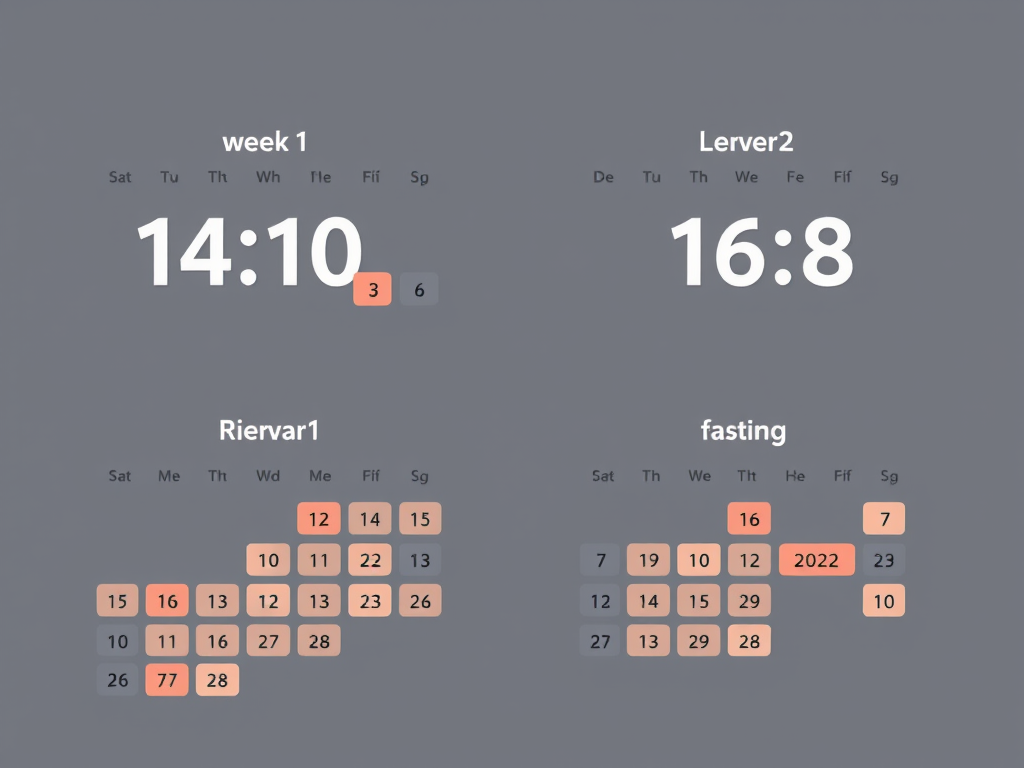
“Weekly calendar view: first row labeled ‘Week 1: 14:10’ with gentle colored blocks, second row labeled ‘Week 2: 16:8’ with slightly longer fasting blocks, minimal, clean infographic style”
Core Principles to Remember
1) Fasting + Food Quality = Real Results
Intermittent fasting is most effective when you combine:
- a consistent fasting window, and
- nutritious, balanced meals in your eating window.
Skipping meals but overeating fast food and sugary snacks will limit your progress.
2) Avoid extremes
Extreme routines like:
- 20+ hour daily fasts
- OMAD every single day
can backfire, especially if you are new to fasting.
They increase the risk of:
- binge eating
- hormonal stress
- burnout and quitting altogether
A more moderate, repeatable schedule is usually better.
3) Your body’s feedback comes first
Pay attention to:
- persistent dizziness or faintness
- extreme fatigue
- difficulty concentrating
- strong mood swings
If these do not improve after a short adaptation period,
- shorten your fast,
- improve your nutrition,
- or get professional guidance.
Your long-term health is more important than any short-term weight loss target.
Summary
- Intermittent fasting is an eating pattern that separates your day into fasting and eating windows.
- Popular methods include 16:8, 14:10, and 5:2. Beginners usually do best starting with 12:12 or 14:10 and slowly moving to 16:8.
- Potential benefits include weight and fat loss, better blood sugar control, improved insulin sensitivity, and more stable energy and focus for some people.
- During the fast, stick to water, black coffee, and unsweetened tea. Save calories, sweeteners, and snacks for your eating window.
- For best results, pair IF with balanced meals rich in protein, fiber, and whole foods.
- People with certain medical conditions or a history of eating disorders should talk to their doctor before trying IF.
Key Takeaways
- Start from where you are. Measure your current fasting window and extend it gradually.
- Progress slowly: 12:12 → 14:10 → 16:8 works better than jumping into extreme fasting.
- Keep your fast clean: water, black coffee, and unsweetened tea are your best friends.
- Build strong meals: focus on protein, fiber, healthy fats, and whole foods in your eating window.
- Protect your sleep and stress levels. Poor sleep and high stress can sabotage your progress.
- Listen to your body. Adjust your plan if you feel consistently unwell, and seek medical advice if you have health conditions or take medication.
For more ideas to support a balanced and intentional life, explore the full Health & Wellness Hub.
Stream Your Favorites Faster & Better! 📺
Why wait? Upgrade to Amazon Fire TV and enjoy lightning-fast streaming and thousands of apps at your fingertips. It’s time to level up your TV game! 🚀
Leave a Reply to “10 Best Winter Wellness Retreats in North America (2025 Guide)” Cancel reply