The holiday season should be a time of joy and celebration, but for many people, it becomes a source of overwhelming stress and anxiety. According to the American Psychological Association, 38% of people report increased stress levels during the holidays. Between family obligations, financial pressures, and the expectation to create “perfect” memories, it’s no wonder that December can feel more draining than delightful.
But here’s the good news: with the right strategies, you can manage holiday stress effectively and actually enjoy this special time of year. In this comprehensive guide, we’ll explore proven techniques to help you stay calm, set healthy boundaries, and navigate the season with greater peace of mind.
Upgrade Your Home Cinema Experience! 🍿
Get ready to dive into a world of endless entertainment with the Amazon Fire TV. From the latest movies to your favorite TV shows, everything is just a click away. Experience stunning picture quality and seamless streaming like never before.

Understanding Holiday Stress: Why December Feels So Overwhelming
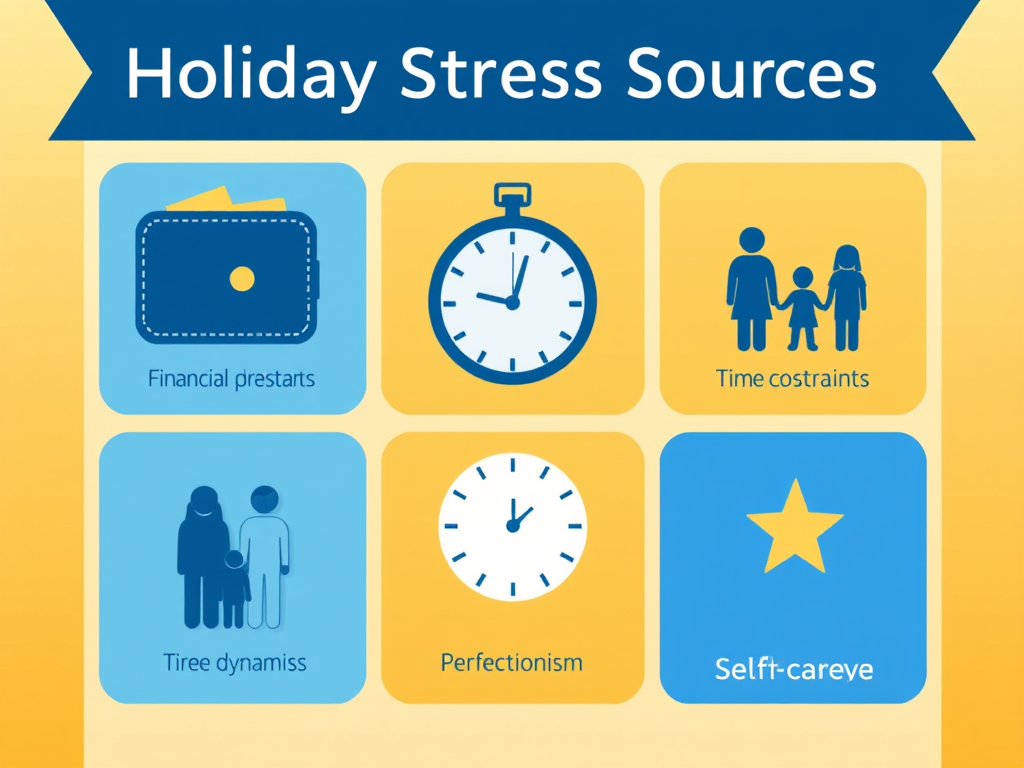
Before we dive into solutions, it’s important to understand why the holidays trigger so much stress. Research shows that holiday stress typically stems from five main sources:
Financial pressure – The average American spends over $1,000 on holiday gifts, decorations, and celebrations. This financial burden creates anxiety that extends well into the new year.
Time constraints – Between shopping, cooking, decorating, attending parties, and maintaining regular responsibilities, there simply aren’t enough hours in the day.
Family dynamics – Reuniting with relatives can resurface old conflicts, create social anxiety, or lead to uncomfortable conversations about personal choices.
Perfectionism – Social media and cultural expectations create pressure to host the “perfect” gathering, give the “perfect” gifts, and maintain the “perfect” holiday spirit.
Lack of self-care – In the rush to care for others and meet obligations, we often neglect our own physical and mental health needs.
Recognizing these triggers is the first step toward managing them effectively.
10 Proven Strategies to Manage Holiday Stress
1. Set Realistic Expectations and Let Go of Perfection
The pursuit of a “picture-perfect” holiday is one of the biggest stress triggers. Give yourself permission to be imperfect. Your burned cookies, mismatched decorations, or last-minute gift wrapping won’t ruin anyone’s holiday experience.
Instead of comparing your celebrations to carefully curated social media posts, focus on what truly matters: meaningful connections with loved ones. Remember that authenticity beats perfection every single time.
Action step: Write down three things that would make this holiday meaningful for you, and prioritize those above all else.
2. Create and Stick to a Realistic Budget
Financial stress is a major holiday burden, but it doesn’t have to be. Set a firm budget before you start shopping and commit to staying within it. Your loved ones will appreciate thoughtful, modest gifts far more than expensive ones that leave you stressed and in debt.
Consider alternatives like:
- Homemade gifts or baked goods
- Setting spending limits with family members
- Organizing a gift exchange instead of buying for everyone
- Giving experiences or quality time instead of material items
Action step: Use a budgeting app or spreadsheet to track your holiday spending in real-time.

The Essential Guide to Intermittent Fasting
3. Learn to Say No Without Guilt
You don’t have to attend every party, accept every invitation, or meet every expectation. Boundaries are not selfish – they’re essential for your wellbeing.
Practice polite but firm ways to decline:
- “Thank you so much for thinking of me, but I won’t be able to make it this year.”
- “I appreciate the invitation, but I’m keeping my schedule light this season.”
- “That sounds wonderful, but I need to prioritize family time this year.”
Remember: people who truly care about you will respect your boundaries.
4. Maintain Your Self-Care Routine
When schedules get busy, self-care is often the first thing to go – but that’s precisely when you need it most. Protecting your physical and mental health should be non-negotiable.
Prioritize:
- Sleep: Aim for 7-9 hours nightly, even during busy weeks
- Exercise: Even 20 minutes of movement can significantly reduce stress
- Healthy eating: Balance indulgent holiday meals with nutritious options
- Downtime: Schedule at least 30 minutes daily for activities that recharge you
Action step: Block out “self-care time” in your calendar and treat it as seriously as any other appointment.

5. Practice Mindfulness and Deep Breathing
When stress builds up, your body enters “fight or flight” mode. Mindfulness techniques can quickly activate your relaxation response and bring you back to the present moment.
Try this simple breathing exercise when you feel overwhelmed:
- Inhale slowly through your nose for 4 counts
- Hold your breath for 4 counts
- Exhale slowly through your mouth for 6 counts
- Repeat 5-10 times
You can practice this anywhere – in the car before a family gathering, in the bathroom during a stressful dinner, or before bed when anxious thoughts keep you awake.
6. Delegate and Ask for Help
You don’t have to do everything yourself. Hosting doesn’t mean doing every single task alone. Whether it’s cooking, decorating, or organizing, most people are happy to contribute when asked.
Create a list of tasks and assign them to willing family members or friends. You might be surprised how much others want to help – they just need to be asked.
Action step: Make a “help wanted” list and reach out to at least three people this week.
“Sleep Better Tonight: Science‑Backed Habits for Deep Rest”
7. Limit Social Media Consumption
Social media during the holidays can be a comparison trap that fuels inadequacy and stress. Remember that people share their highlight reels, not their reality.
Consider taking a social media break during the busiest holiday weeks, or set strict time limits (like 15 minutes per day). You’ll likely find that you feel calmer and more present without the constant scroll.

8. Create New, Simpler Traditions
Just because you’ve always done something a certain way doesn’t mean you have to continue. It’s okay to simplify or change traditions that no longer serve you or have become too stressful.
Instead of elaborate celebrations, consider:
- A simple potluck instead of cooking a feast yourself
- Video calls with distant relatives instead of expensive travel
- One meaningful tradition instead of trying to do everything
- Celebrating on a different day when schedules are less hectic
9. Schedule Downtime and Recovery Periods
Rest is not optional – it’s essential. Block out recovery time after major events, and don’t pack your calendar so tightly that you have no breathing room.
If you’re hosting on Saturday, keep Sunday completely free. If you have three events in one week, that’s probably too many. Give yourself permission to rest and recharge between obligations.
10. Seek Professional Support if Needed
If holiday stress becomes overwhelming or triggers anxiety or depression, reaching out for professional help is a sign of strength, not weakness.
Consider talking to:
- A therapist or counselor
- Your primary care physician
- A support group
- A crisis helpline if you’re in immediate distress
Many therapists offer virtual sessions, making it easier to get support even during busy holiday schedules.

Managing Specific Holiday Stressors
Dealing with Difficult Family Members
Family gatherings can be particularly stressful when there are conflicts or challenging personalities involved. Here’s how to cope:
- Set time limits: Decide in advance how long you’ll stay
- Have an exit strategy: Plan a polite reason to leave if needed
- Avoid controversial topics: Steer clear of politics, religion, or other hot-button issues
- Find an ally: Connect with a supportive family member who can help diffuse tension
- Take breaks: Step outside or into another room when you need a moment
Coping with Grief During the Holidays
The holidays can be especially difficult if you’ve lost a loved one. Your grief is valid, and you don’t have to pretend to be festive if you’re not feeling it.
Allow yourself to:
- Skip events if they feel too painful
- Create new traditions that honor your loved one’s memory
- Talk about your feelings with trusted friends or a grief counselor
- Take care of yourself without guilt
Managing Holiday Stress at Work
End-of-year deadlines combined with holiday activities can create workplace stress:
- Communicate clearly: Let your team know your availability and boundaries
- Prioritize ruthlessly: Focus on high-impact tasks and let minor things slide
- Use your vacation time: Don’t leave paid time off on the table
- Unplug when off: Set email auto-replies and truly disconnect during time off.

Creating Your Personal Holiday Stress Management Plan
Now that you have these strategies, it’s time to create your personalized plan. Here’s a simple framework:
Week 1: Assessment
- Identify your specific stress triggers
- List all obligations and commitments
- Determine what you can realistically handle
Week 2: Planning
- Set your budget and boundaries
- Create a simplified schedule
- Delegate tasks and ask for help
Week 3-4: Implementation
- Practice saying no to non-essential activities
- Maintain your self-care routine
- Use stress-reduction techniques daily
Throughout: Be flexible and adjust as needed. Your plan should reduce stress, not create more of it.
The Bottom Line: Your Mental Health Matters More Than Perfect Holidays
The holiday season is meant to bring joy, connection, and meaning to our lives. When it becomes a source of overwhelming stress instead, something needs to change. You have permission to celebrate in whatever way feels authentic and manageable for you.
Remember these key takeaways:
- Perfection is neither necessary nor attainable
- Boundaries protect your wellbeing and relationships
- Self-care is essential, not selfish
- Asking for help is a strength
- Your mental health matters more than anyone’s expectations
By implementing even a few of these strategies, you can reduce holiday stress significantly and reclaim the joy that this season is meant to bring.

Take Action Today
Start small: choose just one strategy from this guide and implement it this week. Whether it’s setting a budget, practicing a breathing exercise, or saying no to one obligation, that single step can make a meaningful difference.
Remember, managing holiday stress is an ongoing practice, not a one-time fix. Be patient with yourself, celebrate small wins, and know that it’s okay if every day isn’t perfect.
What’s one thing you’ll do differently this holiday season to protect your peace? Take a moment right now to commit to that one change.
<< You Might Also Like >>
Science‑Based Strategies for Better Sleep
The Essential Guide to Intermittent Fasting
Title: How to Watch Korean TV in Canada Without Monthly Fees (Surrey, BC Life)
Living in Vancouver, BC, there are many times when I truly miss watching Korean dramas and news. However, the monthly cable TV bills are often more burdensome than expected.
I used to worry a lot about the high costs from major providers like Rogers or Bell. Then, I happened to discover this [Amazon TV Kit Link] on Amazon, and since then, I’ve been enjoying Korean broadcasts to my heart’s content without any worries about monthly fees.
What I love most about this product are:
- Simple Installation: It is so easy to set up that even seniors can use it without any trouble.
- No Recurring Costs: Once you purchase it, there are absolutely no monthly subscription fees.
- Clear Picture Quality: The high-definition quality makes the viewing experience very satisfying.
Stream Your Favorites Faster & Better! 📺
Why wait? Upgrade to Amazon Fire TV and enjoy lightning-fast streaming and thousands of apps at your fingertips. It’s time to level up your TV game! 🚀
Leave a Reply to “Best Winter Skincare Products 2025: Dermatologist‑Approved Picks” Cancel reply