Introduction
As we approach the final weeks of 2025, the holiday season brings joy, celebration, and unfortunately, a perfect storm for health neglect. Between office parties, family gatherings, travel chaos, and year-end deadlines, our wellness routines often take a backseat.
Here’s a startling reality: Studies show that the average person gains 1-2 pounds during the holiday season, experiences a 30% increase in stress levels, and reports significantly lower sleep quality in December compared to other months. But it doesn’t have to be this way.
This comprehensive guide will help you navigate the end of 2025 with your health intact—and maybe even improved. These aren’t restrictive rules or complicated protocols. They’re practical, science-backed strategies that fit into your busiest days.
The Essential Guide to Intermittent Fasting
1. Prioritize Sleep: Your Foundation for Everything Else
Why it matters: Sleep is your body’s reset button. During the holiday hustle, it’s often the first thing we sacrifice—and that’s exactly when we need it most. Poor sleep weakens your immune system, increases stress hormones, and makes you more likely to reach for unhealthy foods.
Action steps:
- Set a non-negotiable bedtime, even during busy weeks
- Create a 30-minute wind-down routine (no screens, dim lights, gentle stretching)
- Keep your bedroom cool (65-68°F is ideal)
- If you’re traveling across time zones, adjust gradually (shift your sleep schedule by 1 hour per day before departure)
Pro tip: Use blackout curtains and consider a white noise machine to maintain sleep quality even when your schedule is chaotic.
2. Strengthen Your Immune System Before Cold and Flu Season Peaks
December and January are peak months for respiratory infections. The combination of cold weather, indoor gatherings, and travel creates the perfect environment for viruses to spread.
Evidence-based immune boosters:
- Vitamin D supplementation: Most people are deficient in winter. Consider 1,000-2,000 IU daily (consult your doctor)
- Zinc: 8-11mg daily can reduce cold duration by up to 33%
- Probiotics: Support gut health, where 70% of your immune system lives
- Hydration: Aim for half your body weight in ounces of water daily
Lifestyle factors:
- Wash hands frequently (20 seconds with soap)
- Don’t touch your face
- Get fresh air daily, even in cold weather
- Manage stress (chronic stress suppresses immune function)
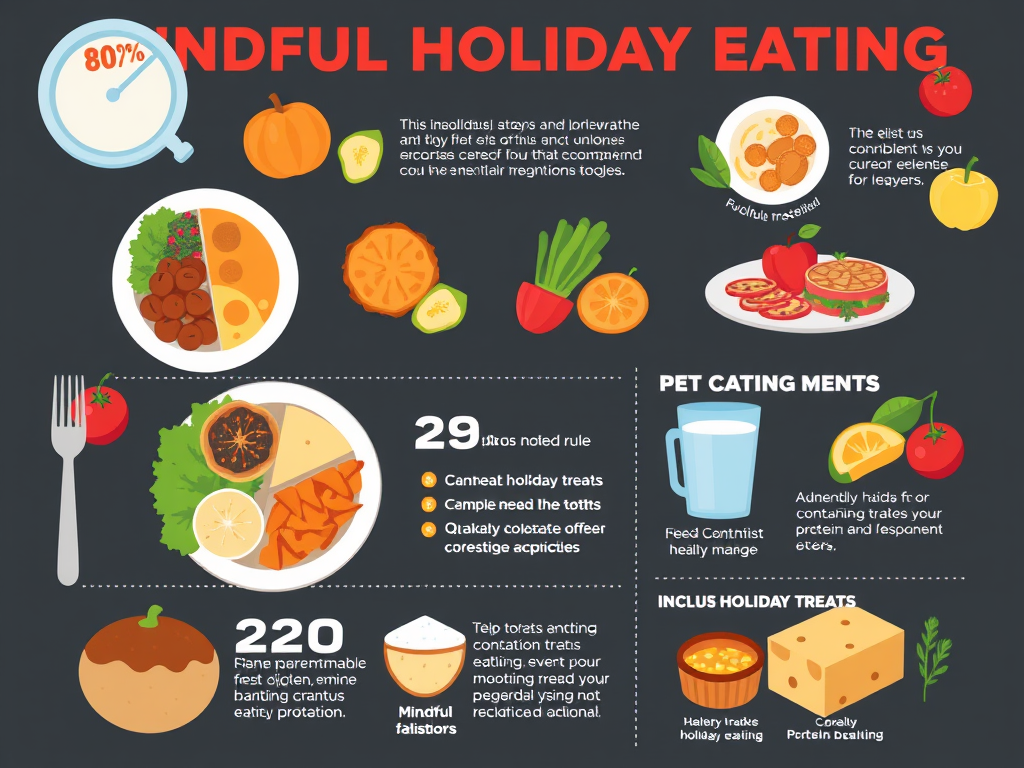
3. Master the Art of Mindful Holiday Eating
You don’t need to avoid holiday treats entirely—that’s neither realistic nor enjoyable. Instead, develop a strategic approach.
The 80/20 rule for December:
- 80% of the time: Stick to your normal, healthy eating patterns
- 20% of the time: Enjoy special foods without guilt
Practical strategies:
- Eat a protein-rich meal before holiday parties (you’ll be less likely to overindulge)
- Use the “plate method” at buffets: 50% vegetables, 25% protein, 25% everything else
- Savor treats slowly—research shows eating mindfully increases satisfaction
- Stay hydrated between alcoholic drinks (1:1 ratio)
- Don’t skip meals to “save calories” for parties (this backfires)
Remember: One indulgent meal won’t derail your health. It’s the pattern of daily choices that matters.
4. Maintain Movement Even When Gym Routines Fall Apart
Your regular workout schedule might be disrupted by travel and commitments, but movement doesn’t have to stop.
Flexible fitness approaches:
- 10-minute workouts: High-intensity intervals can be done anywhere (bodyweight exercises, hotel room workouts)
- Walking meetings: Turn phone calls into walking time
- Active socializing: Suggest walks with friends instead of coffee dates
- Hotel gym or home workouts: Have a backup 20-minute routine ready
- Daily step goal: Aim for 7,000-10,000 steps (use your phone to track)
The science: Even short bursts of activity (10 minutes, 3 times daily) provide significant health benefits including better mood, energy, and metabolism.
5. Create Stress Management Rituals
The end of year brings unique stressors: financial pressure from gifts, family dynamics, work deadlines, and the emotional weight of reflecting on the past year.
Daily stress-reduction practices (choose 1-2):
- Morning meditation: Just 5 minutes can reduce cortisol levels
- Breathing exercises: 4-7-8 technique (inhale 4 counts, hold 7, exhale 8)
- Journaling: Brain dump worries or list gratitudes
- Nature exposure: 20 minutes outdoors reduces stress hormones by 21%
- Progressive muscle relaxation: Tense and release muscle groups
Set boundaries:
- Learn to say no to non-essential commitments
- Limit social media (comparison increases holiday stress)
- Schedule “white space” in your calendar
- Communicate needs clearly to family members

6. Guard Your Gut Health
Rich foods, alcohol, stress, and disrupted routines can wreak havoc on your digestive system.
Gut-support strategies:
- Fermented foods: Yogurt, kefir, sauerkraut, kimchi (aim for one serving daily)
- Fiber: Vegetables, fruits, whole grains, legumes (25-35g daily)
- Prebiotics: Garlic, onions, bananas, asparagus feed beneficial bacteria
- Digestive enzymes: Consider supplements if you’re experiencing bloating
- Avoid overeating: Stop at 80% full to reduce digestive strain
Red flags to watch: Persistent bloating, changes in bowel habits, or severe discomfort warrant a doctor visit.
7. Limit Alcohol Strategically
Holiday celebrations often center around drinking, but alcohol impacts sleep quality, immunity, hydration, and mental health.
Harm reduction approach:
- Set a weekly limit in advance (CDC recommends max 7 drinks/week for women, 14 for men)
- Alternate alcoholic drinks with water or sparkling water
- Choose quality over quantity (savor one good drink instead of multiple mediocre ones)
- Avoid drinking within 3 hours of bedtime (it disrupts sleep architecture)
- Have alcohol-free days each week
- Try mocktails or alcohol-free alternatives at some events
If you’re not drinking: You don’t owe anyone an explanation. “I’m good with water, thanks” is sufficient.
“Holiday Stress Management: How to Stay Calm During the Season”
8. Prevent the Post-Holiday Energy Crash
Many people experience exhaustion, depression, or illness in early January. This isn’t coincidence—it’s the cumulative effect of December’s intensity.
Prevention strategies:
- Don’t schedule back-to-back commitments: Build in recovery time
- Maintain morning routines: Even small rituals provide stability
- Plan January deliberately: Schedule lighter commitments and self-care
- Address vitamin deficiencies: Get bloodwork if you’re chronically tired
- Watch for warning signs: Persistent fatigue, mood changes, or frequent illness need medical attention
Recovery plan: If you do crash, prioritize sleep, nutrition, and gentle movement. Don’t immediately jump into intense New Year goals.
9. Maintain Mental and Emotional Wellness
The holidays amplify everything—joy and grief, connection and loneliness, gratitude and comparison. For many, it’s an emotionally complex time.
Mental health practices:
- Acknowledge difficult feelings: It’s okay if you’re not feeling festive
- Limit comparison: Remember that social media shows highlight reels, not reality
- Connect meaningfully: Quality time with close friends matters more than dozens of superficial interactions
- Set realistic expectations: Perfect holidays don’t exist
- Seek support: Talk to a therapist if you’re struggling (many offer virtual sessions)
- Practice gratitude: Focus on what you have, not what’s missing
If you’re grieving or lonely: Create new traditions, volunteer, or spend time with chosen family. Your feelings are valid.

Mastering Calm: Yoga & Meditation for Modern Stress
10. Plan Ahead for January (But Don’t Wait Until Then)
New Year’s resolutions often fail because they’re too ambitious, vague, or disconnected from current habits.
Start now, not January 1:
- Identify one small health habit to maintain through December
- Schedule January workouts or meal prep sessions now
- Reflect on 2025: What worked? What didn’t? What do you want more or less of?
- Set process goals, not just outcome goals (“exercise 3x/week” vs. “lose 20 pounds”)
- Find an accountability partner
Reality check: January 1 is just another day. You don’t need a fresh start to make healthy choices—you can begin right now.
Conclusion: Health is Your Greatest Gift
As 2025 comes to a close, remember this: Taking care of yourself isn’t selfish—it’s essential. You can’t pour from an empty cup, and you can’t fully enjoy the holidays if you’re exhausted, sick, or stressed.
These ten strategies aren’t about perfection. They’re about maintaining a foundation of health during a chaotic season. Choose the 2-3 that resonate most with you and focus there.
The end of the year is both an ending and a beginning. How you finish 2025 sets the tone for how you’ll start 2026. Make choices today that your future self will thank you for.
Your action step: Choose ONE tip from this list and implement it this week. Just one. Once it feels natural, add another.
Here’s to finishing the year strong, healthy, and ready for whatever 2026 brings.
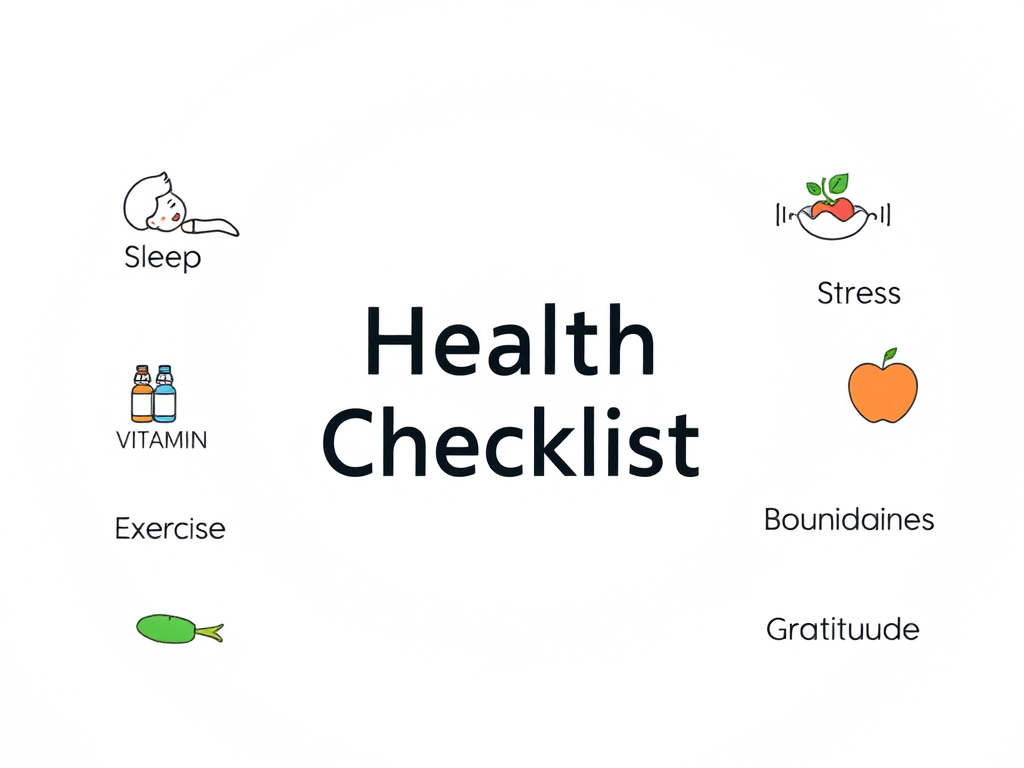
📊 Quick Reference Checklist
Daily non-negotiables:
- [ ] 7-8 hours of sleep
- [ ] Hydrate adequately
- [ ] Move your body (even 10 minutes)
- [ ] Eat vegetables at most meals
- [ ] Practice one stress-reduction technique
Weekly priorities:
- [ ] Exercise 3-4 times
- [ ] Meal prep healthy options
- [ ] Schedule downtime
- [ ] Connect meaningfully with loved ones
- [ ] Limit alcohol to moderate levels
Throughout December:
- [ ] Take vitamin D supplement
- [ ] Wash hands frequently
- [ ] Set and honor boundaries
- [ ] Practice gratitude
- [ ] Plan rest and recovery time
What’s your biggest health challenge during the holidays? Share in the comments below, and let’s support each other in finishing 2025 strong!
Disclaimer: This article is for informational purposes only and does not constitute medical advice. Consult with healthcare providers before starting new supplements or making significant health changes.
For more ideas to support a balanced and intentional life, explore the full Health & Wellness Hub.
<< You Might Also Like >>
Science‑Based Strategies for Better Sleep
The Essential Guide to Intermittent Fasting
Stream Your Favorites Faster & Better! 📺
Why wait? Upgrade to Amazon Fire TV and enjoy lightning-fast streaming and thousands of apps at your fingertips. It’s time to level up your TV game! 🚀
Leave a Reply