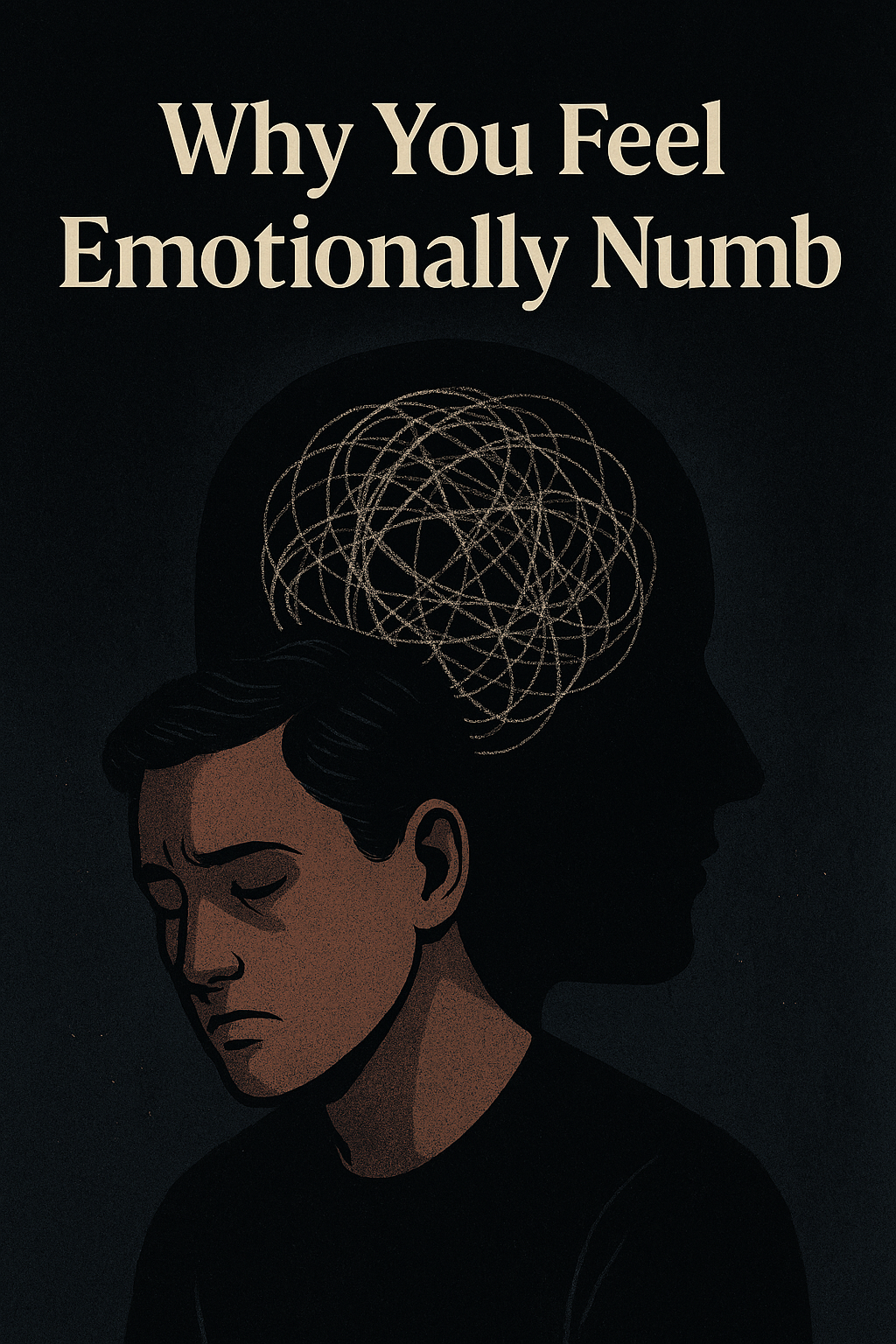
Conclusion First: You Are Not Broken. You Are Protecting Yourself.
If you feel emotionally numb, your brain is not failing.
It is defending.
Emotional numbness is not the absence of emotion.
It is the suppression of emotion.
It happens when your nervous system decides that feeling fully is too costly. Too overwhelming. Too unsafe.
So it turns the volume down.
Not just on pain.
But on joy.
Not just on anxiety.
But on excitement.
This article explains why emotional numbness happens, what it does to your brain and body, how modern life intensifies it, and how you can gently reconnect with your emotional range.
This is not a generic self-help list.
This is a deep, layered exploration of emotional shutdown — biologically, psychologically, and culturally.
What Is Emotional Numbness?
Emotional Numbness Defined
Emotional numbness is a reduced ability to feel emotions.
It is not simply sadness.
It is not simple indifference.
It feels like:
- Emptiness
- Flatness
- Disconnection
- Watching life from a distance
- Being present but not involved
You function.
You work.
You respond.
But you do not feel much.
That absence can be frightening.
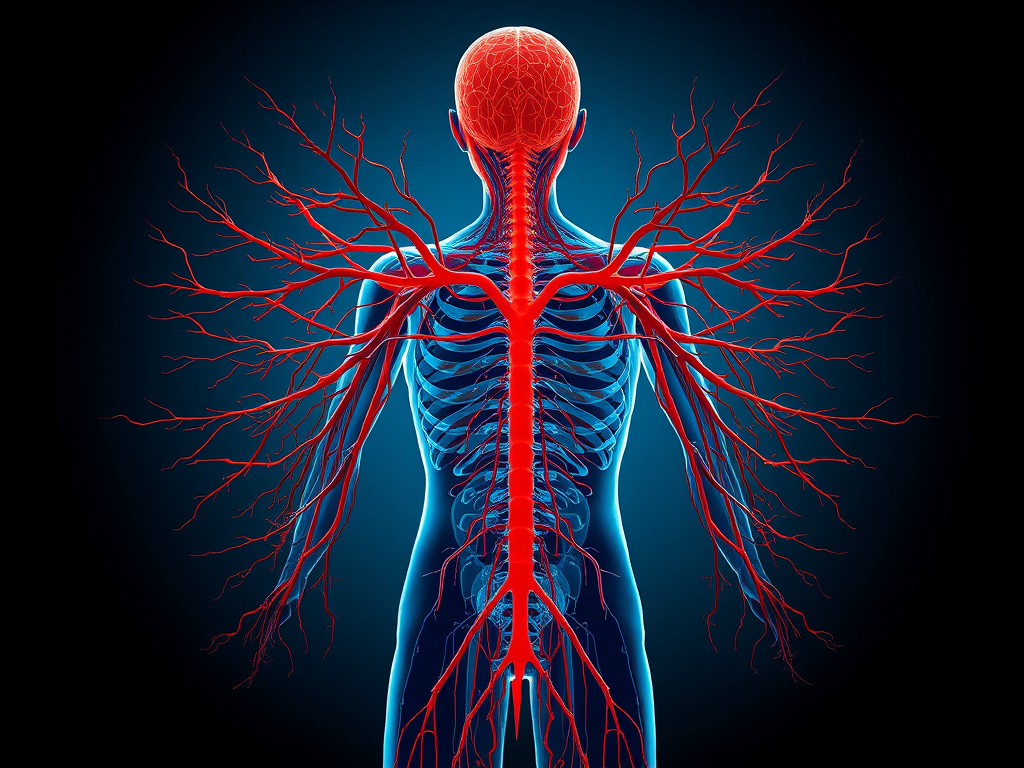
Emotional Numbness Is a Nervous System State
Your nervous system has three primary survival responses:
- Fight
- Flight
- Freeze
Emotional numbness is often part of the freeze response.
When stress becomes chronic, your system cannot stay in fight-or-flight forever. It exhausts itself.
So it shifts into shutdown.
Shutdown conserves energy.
Shutdown reduces sensation.
Shutdown feels like numbness.
It is survival, not failure.
“A human nervous system diagram transitioning from high-alert red tones to cool blue muted tones, symbolizing the shift from stress overload to emotional shutdown.”
The Neuroscience of Emotional Numbness
What Happens in the Brain?
Emotional processing involves several key brain regions:
- The amygdala (emotional alarm system)
- The prefrontal cortex (regulation and reasoning)
- The anterior cingulate cortex (emotional awareness)
- The insula (body-emotion connection)
When stress is prolonged, the amygdala becomes hyperactive.
This increases cortisol and adrenaline.
Eventually, the system fatigues.
The prefrontal cortex reduces emotional processing to protect resources.
It is like dimming the lights to preserve electricity.
Dopamine and Emotional Blunting
Dopamine is the brain’s reward chemical.
It fuels motivation and pleasure.
Chronic stress, depression, and overstimulation disrupt dopamine balance.
This leads to:
- Reduced pleasure (anhedonia)
- Low drive
- Emotional flatness
You are not lazy.
Your reward system is dysregulated.
Modern life amplifies this.
Constant short-form content, endless scrolling, and rapid stimulation overstimulate dopamine circuits.
Over time, your brain becomes less sensitive.
The result?
Nothing feels special.
The Most Common Causes of Emotional Numbness
1. Chronic Stress
Stress is not just deadlines.
It includes:
- Financial pressure
- Relationship tension
- Caregiving fatigue
- Constant digital exposure
When stress never resolves, the body adapts.
It shuts down emotional intensity.
Stress → Overload → Numbness.
2. Trauma (Big or Subtle)
Trauma does not need to be dramatic.
It can be:
- Emotional neglect
- Repeated invalidation
- Childhood unpredictability
- Prolonged anxiety
Trauma teaches the nervous system that emotions are dangerous.
So it learns to mute them.
Emotional numbness often begins as protection during trauma.
Sometimes it never turns off.
“A person standing in heavy rain with a transparent shield forming around them, gradually muting the colors of the environment, symbolizing emotional defense.”

3. Burnout
Burnout is emotional depletion.
It starts with overcommitment.
Then exhaustion.
Then cynicism.
Then emotional withdrawal.
Burnout numbs enthusiasm first.
Then empathy.
Then joy.
It is not weakness.
It is overextension without recovery.
4. Depression
Emotional numbness is a core symptom of depression.
Not everyone with depression feels sad.
Many feel empty.
Symptoms may include:
- Lack of pleasure
- Disinterest in activities
- Emotional flatness
- Social withdrawal
Depression reduces neural activity in reward circuits.
That reduction feels like numbness.
5. Emotional Overwhelm
Sometimes emotions are not absent.
They are too intense.
Grief.
Fear.
Shame.
If the intensity exceeds capacity, the system shuts down.
Numbness becomes a buffer.
Emotional Numbness in the Digital Age
Overstimulation and Desensitization
We consume more information daily than previous generations consumed in months.
Endless news cycles.
Highlight reels.
Notifications.
Emotional responses fire repeatedly.
Eventually, the brain adapts.
It dulls reactivity to protect against overload.
The more stimulation you consume, the more muted natural life can feel.
The “Popcorn Brain” Effect
Rapid digital content trains the brain to expect constant novelty.
This reduces tolerance for slower emotional experiences.
Real life feels underwhelming.
Relationships feel less stimulating.
Your nervous system begins preferring intensity over depth.
That shift contributes to emotional numbness.
The Psychological Meaning of Feeling Nothing
Numbness as a Boundary
Emotional numbness is often a boundary your system created.
It says:
“This is too much.”
“I cannot process this safely.”
It is not apathy.
It is protection.
The Cost of Staying Numb
Long-term numbness affects:
- Relationships
- Creativity
- Purpose
- Intimacy
Connection requires emotional presence.
Without emotion, life feels mechanical.
Functional.
But hollow.
“A grayscale city scene with one person in muted tones while the surrounding world is vibrant but slightly blurred, symbolizing emotional disconnection.”

Signs You Might Be Emotionally Numb
- You rarely feel excitement.
- Music does not move you.
- Good news feels neutral.
- You struggle to cry.
- You feel detached in conversations.
- You experience low motivation.
Numbness often hides behind productivity.
You may appear fine.
Internally, you feel distant.
How to Gently Reconnect With Emotion
Reconnection must be gradual.
Forcing feelings increases resistance.
Safety restores sensation.
Step 1 – Start With the Body
Emotion begins in sensation.
Before you feel sadness, you feel heaviness.
Before you feel anxiety, you feel tension.
Practice noticing:
- Temperature
- Breath
- Muscle tightness
- Heartbeat
This rebuilds body-emotion awareness.
Step 2 – Regulate Before You Reflect
Emotional numbness improves when the nervous system feels safe.
Try:
- Slow breathing (inhale 4 seconds, exhale 6 seconds)
- Gentle walking without devices
- Stretching
- Reducing caffeine
Safety precedes emotional return.
Step 3 – Reduce Dopamine Overload
Limit:
- Short-form content
- Constant scrolling
- Multitasking
Reintroduce:
- Nature exposure
- Reading long-form content
- Deep conversations
- Creative hobbies
The brain recalibrates slowly.
Step 4 – Allow Micro-Emotions
Do not chase happiness.
Notice subtle shifts:
- A slight warmth
- A small interest
- A flicker of appreciation
Emotions return in gradients, not explosions.
Step 5 – Seek Professional Support When Needed
If numbness persists for months or interferes with functioning, therapy can help.
Especially if accompanied by:
- Severe depression
- Trauma history
- Thoughts of self-harm
Support is strength.
Not weakness.
“A grayscale figure slowly regaining color from the chest outward, small glowing points spreading warmth through the body.”

How Long Does Emotional Numbness Last?
It depends on the cause.
Stress-induced numbness may fade with rest.
Burnout may require lifestyle changes.
Trauma-related numbness may need therapeutic processing.
Healing is not linear.
Some days you feel connected.
Other days you feel distant.
Both are normal.
When to Seek Immediate Help
Seek urgent support if you experience:
- Persistent emotional emptiness with hopelessness
- Thoughts of harming yourself
- Inability to function daily
- Severe withdrawal from life
Emotional numbness can coexist with serious mental health conditions.
Professional care matters.
Emotional Numbness Is Not the End of Feeling
It is a pause.
A reset.
A protective dimming.
Your nervous system is adaptive.
With safety, rest, and gradual reconnection, emotional color often returns.
Not as chaos.
But as clarity.
📌 Summary
Emotional numbness happens when your nervous system shifts into protective shutdown.
Common causes include:
- Chronic stress
- Trauma
- Burnout
- Depression
- Digital overstimulation
It reduces emotional intensity to prevent overwhelm.
But it also limits joy.
Reconnection requires:
- Nervous system regulation
- Reduced overstimulation
- Body awareness
- Patience
- Support when needed
You are not broken.
You are buffering.
💡 Key Tips to Reconnect With Emotion
✔ Do not force emotions
✔ Regulate your nervous system daily
✔ Limit high-intensity digital input
✔ Rebuild body awareness
✔ Notice micro-moments of feeling
✔ Seek professional support if symptoms persist
Internal Linking Opportunity
You may naturally link this article to your related post, such as:
- “How Chronic Stress Affects the Brain”
- “The Dopamine Trap of Short-Form Content”
- “How to Heal From Burnout”
- “Why You Feel Disconnected in Relationships”
If you share the title of your existing post, I can seamlessly integrate anchor text into this article for SEO optimization.
Final Reflection
Emotional numbness is not emptiness.
It is intelligence under pressure.
Your system learned how to survive.
Now it can learn how to feel again.
And when feeling returns, it does not return as noise.
It returns as depth.
And depth is where life truly lives.
<< You Might Also Like >>
The Omnivore Generation: Taste Without Borders
Upgrade your workspace with a keyboard and mouse combo designed for modern productivity.
The Logitech MK470 Slim delivers ultra‑quiet typing, a compact layout, and reliable 2.4 GHz wireless performance—everything you need for a cleaner, faster, more focused workflow
Leave a Reply