Conclusion First: Longevity Is Not the Same as a Good Life
Humans are living longer than ever before.
But many are not living better.
Longer lifespans without purpose, connection, health, or dignity lead to extended suffering, not fulfillment.
If we do not redesign how we live, work, age, and care for one another, longevity will become a burden rather than a gift.
The real challenge of the 21st century is not how to live longer, but how to live well for longer.
This article explores why longer life does not automatically mean better life—and how society, systems, and individuals must redesign life itself to make longevity meaningful.
We Are Living Longer — But Why Are We More Exhausted?
Life expectancy has increased dramatically.
- In 1900: ~47 years globally
- In 2025: ~73 years globally
- In developed countries: often 80+ years
This is a medical triumph.
But it has revealed a deeper problem.
Longevity Exposed a System That Was Never Designed for Long Life
Modern life systems were built for short lives.
- Education ends too early
- Work peaks too fast
- Retirement comes too abruptly
- Purpose disappears too suddenly
We extended life.
But we did not redesign the structure of living.
As a result, many people experience:
- Long years of isolation
- Chronic illness without meaning
- Financial anxiety in old age
- Loss of identity after work ends
Living longer inside a broken system simply means suffering longer.
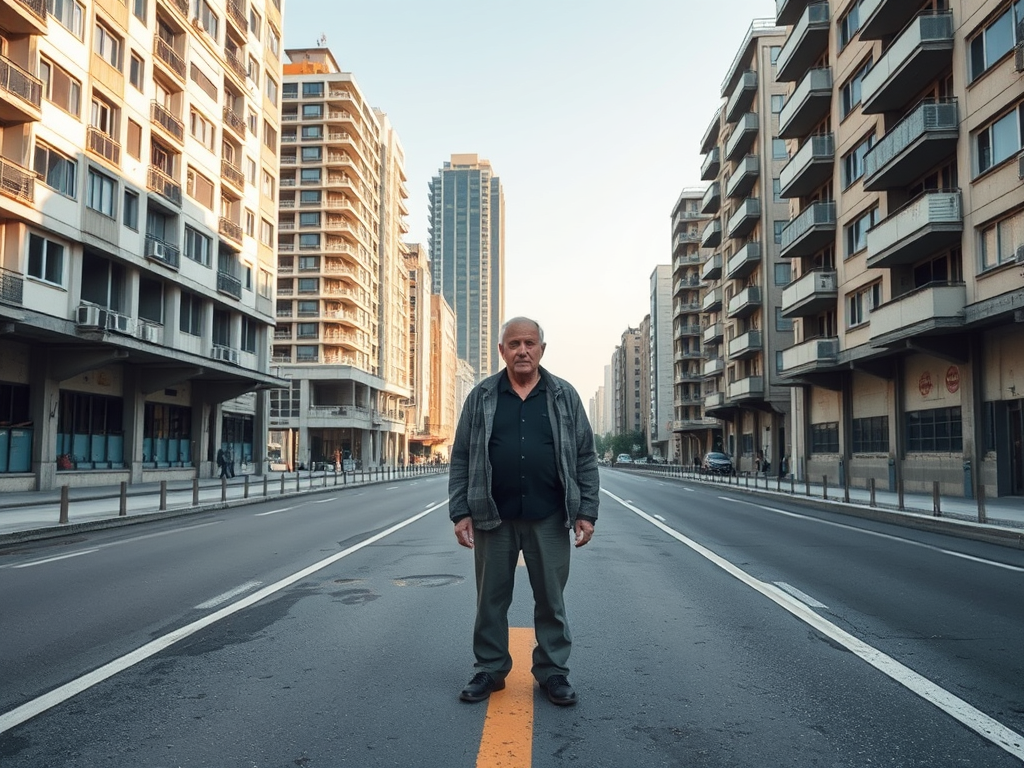
An elderly person standing at a long road stretching far into the future, surrounded by modern buildings that look worn and outdated, symbolizing systems not designed for long life
The Hidden Crisis of Modern Longevity
Longevity created new problems we were not prepared for.
More Years, Less Meaning
Studies show something alarming.
Happiness does not increase automatically with age.
In many countries, it declines after midlife.
Why?
Because modern society links identity to productivity.
When people stop producing, they feel invisible.
This leads to:
- Depression in older adults
- Loss of self-worth
- Social withdrawal
- Cognitive decline accelerated by loneliness
The problem is not aging.
The problem is how society treats aging.
Longevity Without Purpose Is Psychological Erosion
Humans need:
- Contribution
- Belonging
- Narrative meaning
Without these, even perfect health feels empty.
A longer life without purpose becomes a slow erosion of dignity.
Healthspan vs Lifespan: The Critical Difference
Living longer is not enough.
We must live healthier for longer.
What Is Healthspan?
Lifespan = total years lived
Healthspan = years lived in good physical and mental health
Today, the gap is widening.
People live longer.
But spend 10–20 years in decline.
Common late-life realities:
- Chronic pain
- Cognitive impairment
- Dependency
- Medicalized survival
This is not success.
This is prolonged fragility.
Why Medicine Alone Cannot Fix This
Medicine treats disease.
It does not create meaning.
Pills cannot replace:
- Movement
- Social bonds
- Purposeful routines
- Emotional safety
Longevity requires lifestyle redesign, not just healthcare expansion.
A split image showing one side of an elderly person surrounded by pills and hospital equipment, and the other side walking outdoors with friends, symbolizing lifespan vs healthspan

Work, Identity, and the Collapse of Meaning After 60
Modern life organizes meaning around work.
This becomes dangerous as lifespans increase.
The Retirement Cliff
Retirement is often described as freedom.
But for many, it feels like erasure.
Suddenly:
- No daily structure
- No social role
- No recognition
- No sense of usefulness
Humans are not built for endless leisure.
They are built for contribution.
A Systemic Design Failure
We designed life like this:
- Learn until 25
- Work intensely until 60
- Stop mattering afterward
This made sense when people died at 65.
It makes no sense when people live to 90.
We did not redesign adulthood.
So identity collapses under longevity.
Mastering Calm: Yoga & Meditation for Modern Stress
Loneliness: The Silent Killer of Long Life
Loneliness is deadlier than smoking 15 cigarettes a day.
This is not metaphorical.
It is medical fact.
Why Longevity Increases Loneliness
As people age, they lose:
- Spouses
- Friends
- Work communities
- Physical mobility
Modern cities are not built for aging.
Digital connection does not replace human presence.
As a result:
- Older adults interact less
- Mental health declines
- Dementia risk increases
Longevity without social redesign leads to quiet despair.
An older person sitting alone in a modern apartment at night, city lights outside the window, phone glowing but unused, conveying isolation in a connected world

The Economic Reality: Longer Lives, Fragile Security
Living longer costs more.
But systems were not updated.
The Financial Gap of Longevity
Many people outlive:
- Their savings
- Their pensions
- Their financial planning
This creates constant stress.
Financial anxiety in old age destroys peace, even in good health.
Why Traditional Retirement Models Are Broken
Retirement models assume:
- Short post-work life
- Stable pensions
- Low healthcare costs
None of these are true anymore.
Longevity demands:
- Lifelong income flexibility
- Ongoing learning
- Purpose-driven work at older ages
Without redesign, longer life equals longer insecurity.
Why Technology Alone Won’t Save Us
AI, robotics, and biotech promise longevity.
But tools are not enough.
Technology Extends Life, Not Meaning
AI can:
- Predict disease
- Optimize treatment
- Monitor health
But it cannot:
- Give purpose
- Replace human warmth
- Create belonging
Longevity without human-centered design becomes cold efficiency.
The Danger of a Technically Long but Emotionally Empty Life
A future where people live longer but feel useless is not progress.
It is a moral failure.
Redesigning Life: What Must Change
Longevity forces a redesign of life itself.
Redesign 1: Lifelong Contribution
People need roles at every age.
This means:
- Flexible work for seniors
- Mentorship-based economies
- Value placed on wisdom, not speed
Older adults are not obsolete.
They are underutilized.
Redesign 2: Multi-Stage Life Models
Life should not have only three stages.
New models include:
- Learning → Working → Relearning
- Contribution → Reflection → Contribution again
Education must return later in life.
Growth should never stop.
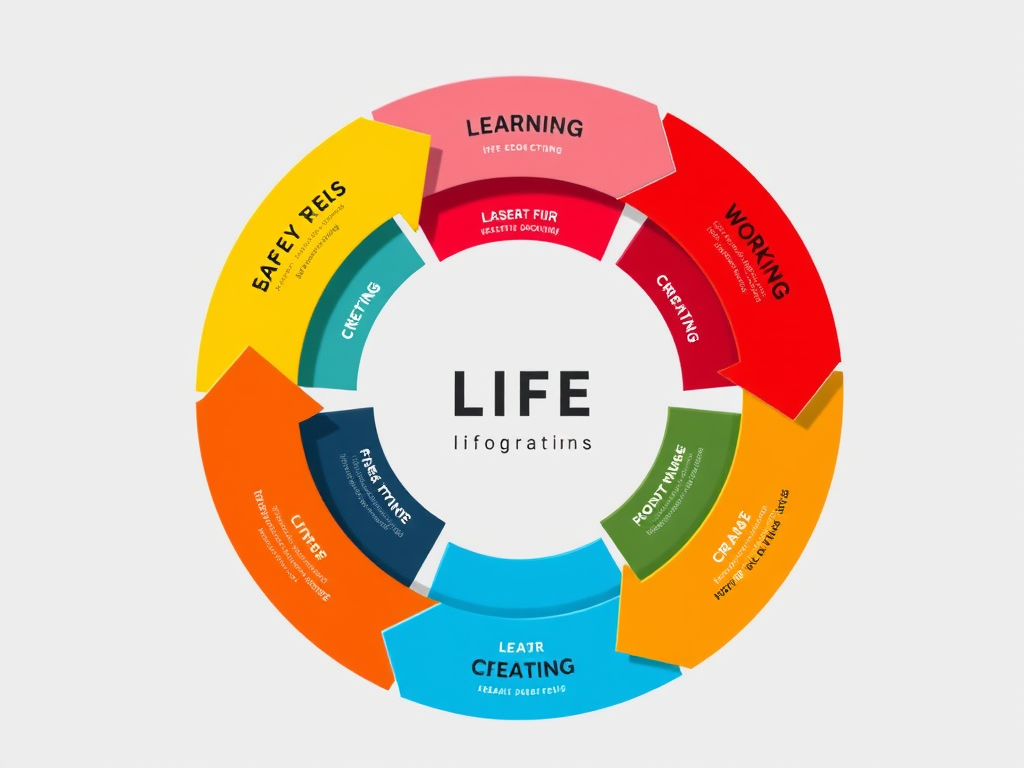
A circular life diagram showing learning, working, mentoring, and creating repeating across all ages, instead of a straight line ending at retirement
Redesigning Community for Long Life
Longevity requires new social structures.
Intergenerational Living
Age segregation increases loneliness.
Intergenerational spaces create:
- Shared purpose
- Emotional exchange
- Mutual support
Communities must mix ages, not separate them.
Belonging as Infrastructure
Belonging should not be accidental.
It must be designed into:
- Housing
- Cities
- Workplaces
- Faith and civic spaces
A longer life without belonging is psychological poverty.
Redesigning Meaning: The Inner Life Matters
Long life amplifies inner questions.
Existential Weight of Longevity
More years mean:
- More loss
- More reflection
- More unresolved questions
If people are not equipped to process meaning, longer life increases suffering.
Why Spiritual and Philosophical Literacy Matters
Longevity requires:
- Acceptance of change
- Reframing identity
- Making peace with impermanence
This is not optional.
A long life without inner grounding collapses under its own weight.
What Individuals Can Do Now
System change takes time.
But individuals can redesign their own lives today.
Invest in Healthspan, Not Just Lifespan
- Move daily
- Build muscle
- Protect sleep
- Reduce isolation
Redefine Success Beyond Productivity
You are not your output.
Measure life by:
- Contribution
- Relationships
- Growth
- Peace
Design Meaning Early
Do not wait until old age.
Meaning must be built before it is needed.
Summary
Living longer does not guarantee living better.
Longevity without redesign leads to:
- Loneliness
- Loss of purpose
- Financial anxiety
- Extended decline
To make long life meaningful, we must redesign:
- Work
- Community
- Identity
- Health
- Meaning
Longevity is not a medical problem.
It is a design problem.
Key Takeaways & Practical Tips
- Longevity without purpose increases suffering
- Healthspan matters more than lifespan
- Work and contribution must evolve with age
- Community is as important as medicine
- Meaning is essential for long life
Final Thought
Living longer is a gift.
Living well is a responsibility.
If we redesign life with intention,
longevity can become one of humanity’s greatest achievements—
not its quietest tragedy.
Mastering Calm: Yoga & Meditation for Modern Stress
For more ideas to support a balanced and intentional life, explore the full Health & Wellness Hub.
Stream Your Favorites Faster & Better!
📺Why wait? Upgrade to Amazon Fire TV and enjoy lightning-fast streaming and thousands of apps at your fingertips. It’s time to level up your TV game! 🚀
Leave a Reply