Here’s the conclusion first:
If you want to truly understand Korea—not just visit popular tourist spots—then you must explore hidden local places, learn the meaning behind Korean food culture, and understand essential etiquette. This guide will help any foreign visitor enjoy Seoul like a real local, avoid cultural misunderstandings, and experience authentic Korean lifestyle.
Below is an SEO-optimized, clear, structured guide perfect for international readers.
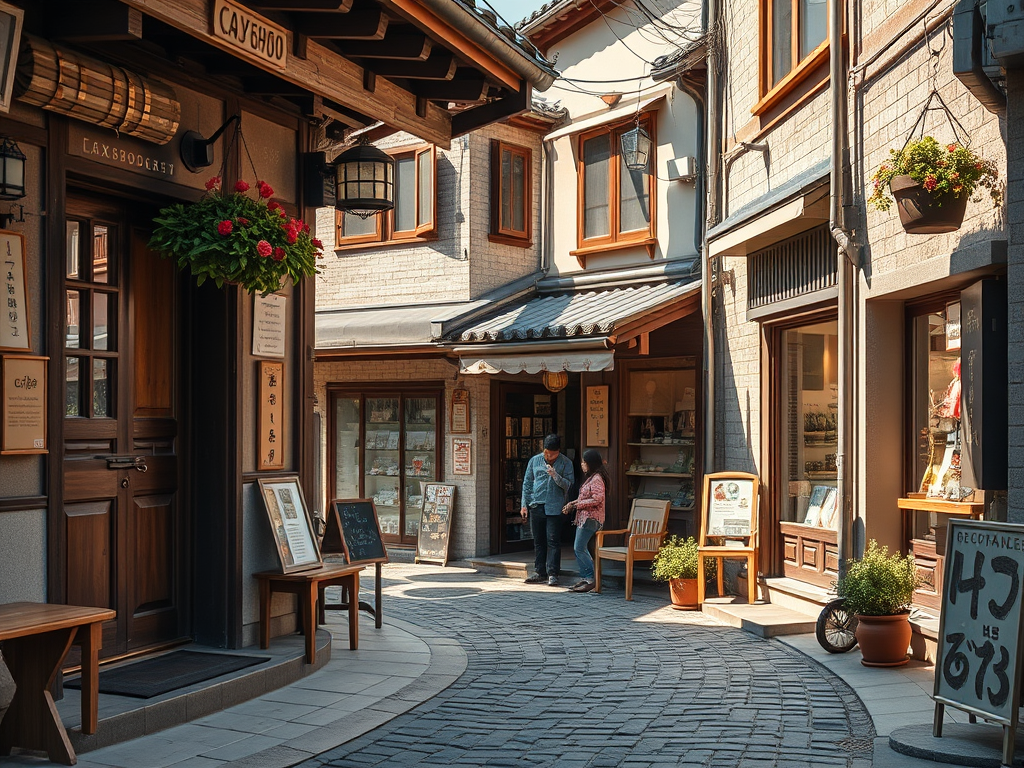
1. Hidden Gems in Seoul Only Locals Know
Seoul is more than Myeongdong and Gangnam. Locals spend their time in quieter, more meaningful places. Here are 10 hidden gems foreigners usually miss.
1) Ikseon-dong Hanok Alley
A maze of traditional houses turned into cafés, craft shops, and wine bars.
2) Seochon Village
Art galleries, tiny restaurants, and peaceful walking streets behind Gyeongbokgung Palace.
3) Buam-dong
A quiet hilltop neighborhood with vintage cafés and great city views.
4) Mullae Art Village
An industrial area transformed into an urban art district filled with murals and indie studios.
5) Eungbongsan Mountain
The best small-hike spot to see Seoul’s skyline—especially gorgeous at sunset.
6) Seoullo 7017 Skygarden
A former highway turned pedestrian path full of plants and nighttime lights.
7) Nodeul Island
A cultural space on the Han River with bookstores, live music, and beer.
8) Seoul Museum of History Rooftop
A free, quiet viewpoint that locals love.
9) Mangwon Market
A real local food market—cheap, delicious, and lively.
10) Oil Tank Culture Park
Industrial tanks renewed into an eco-park with exhibitions and music events.
👉 Tip: When in Seoul, explore beyond the tourist zones. Locals prefer smaller neighborhoods that feel cozy, artistic, and community-driven.
2. Understanding Korean Food Culture (as seen in K-dramas)
K-dramas show more than romance—they show how Koreans bond, celebrate, apologize, and comfort each other through food.
1) Eating Together = Showing Care
Sharing a meal is the most common way Koreans express affection or hospitality.
In dramas:
- “Have you eaten?” often means I care about you.
2) Side Dishes (Banchan)
Small dishes are served free and unlimited.
Why?
Because Korean meals value balance and generosity.
3) Spicy Food as Emotional Release
In dramas, characters eat spicy tteokbokki after breakups.
Spicy foods are believed to relieve stress and help release emotions.
4) Drinking Culture
The famous soju scenes come with rules:
- Pour with two hands
- Turn your head away when drinking in front of elders
It’s about respect and humility.
5) Street Food = Real Korean Lifestyle
Hotteok, fish cakes, chicken skewers—this is what locals eat when they’re tired or happy.
Street food represents comfort, speed, and everyday life.
AI Isn’t Replacing Humans — It’s Transforming Broken Systems for the Better
3. Essential Korean Etiquette for Foreigners
Korean etiquette is simple once you understand its core value: respect for others.
1) Always use two hands
When giving or receiving anything:
Money, drinks, gifts, business cards.
Using two hands shows sincerity.
2) Don’t wear shoes indoors
Korean homes keep floors extremely clean.
Always remove shoes at the entrance.
3) Quiet on public transportation
Subways and buses are quiet.
Phone calls are considered rude.
4) Return your tray at casual restaurants
Korean fast-casual dining expects customers to clean up after themselves.
5) Bowing
A small bow shows respect when greeting or thanking someone.
6) Personal space is closer, but emotions are not too direct
Koreans may sit close or walk shoulder-to-shoulder, but may avoid direct confrontation or overly expressive emotion.
7) Elders first
Let older people eat first, enter first, or sit first—it’s an essential cultural value.
The Omnivore Generation: Taste Without Borders
📌 Summary & Key Takeaways
✔ To enjoy Korea like a local:
Explore smaller neighborhoods (Ikseon-dong, Buam-dong, Seochon).
✔ To understand K-drama culture:
Food scenes show emotion, respect, and bonding, not just eating.
✔ To avoid cultural mistakes:
Use two hands, keep quiet on public transport, and show respect to elders.
Korean culture is warm, layered, and welcoming.
When you understand the heart behind the customs, Korea becomes one of the most enjoyable places to explore.
<< You Might Also Like >>
“Korea’s Secret Winter Escapes: Hidden Gems Beyond Seoul”
The Omnivore Generation: Taste Without Borders
Stream Your Favorites Faster & Better! 📺
Why wait? Upgrade to Amazon Fire TV and enjoy lightning-fast streaming and thousands of apps at your fingertips. It’s time to level up your TV game! 🚀
Leave a Reply