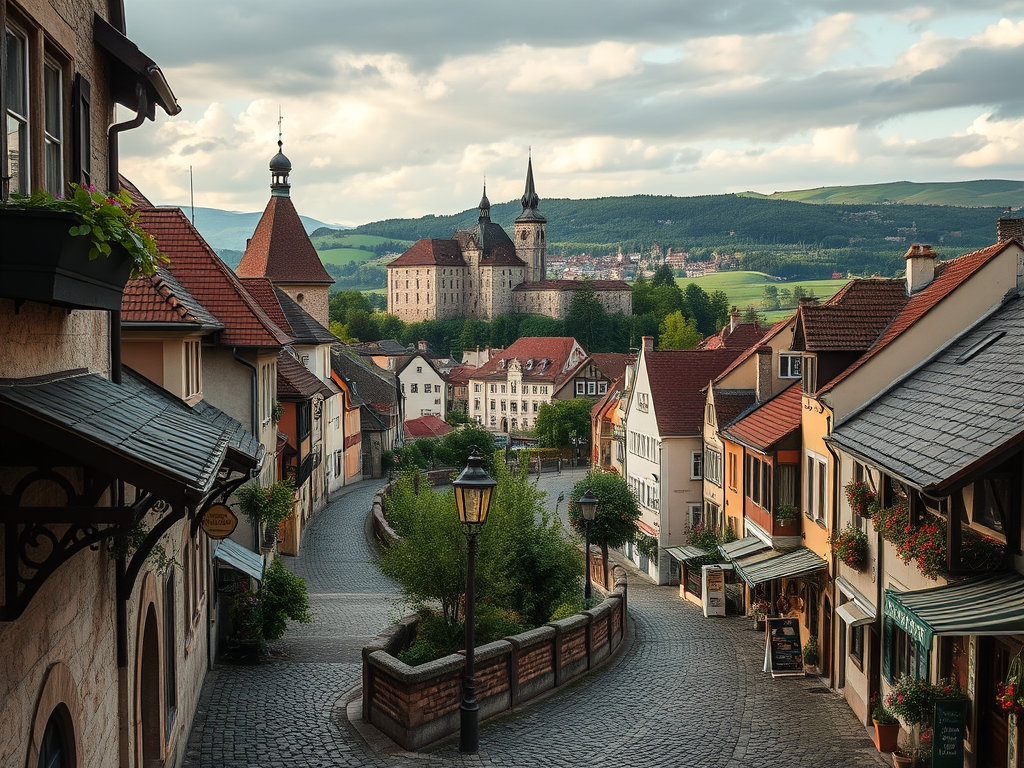
The Greatest Journeys Begin Where the Guidebooks Get Quiet
Conclusion First:
If you want to feel travel again — truly feel it — stop chasing famous skylines. Start chasing forgotten streets.
Iconic cities are impressive.
Hidden cities are transformative.
Paris dazzles.
Tokyo electrifies.
New York overwhelms.
But Luang Prabang slows your breathing.
Valparaíso rewires your imagination.
Matera bends time.
George Town feeds every sense at once.
The world’s most meaningful destinations are not always the loudest. They are the ones that whisper — and reward those who listen.
This is not just a list.
It is a narrative expedition into cities that remain culturally alive, architecturally layered, and emotionally unforgettable.
Consider this your invitation to step off the algorithm and into authenticity.
Why Hidden Gems Matter More Than Ever
The Age of Overtourism
Modern travel has a paradox.
It connects us globally.
It homogenizes places locally.
When millions visit the same destinations, cities adapt. They perform. They simplify. They commercialize.
Hidden cities resist that performance.
They offer:
- Slower rhythms
- Real neighborhoods
- Undiluted culture
- Human-scale experiences
In an era of curated experiences, authenticity is rare currency.
The Psychology of Discovery
There is science behind why hidden places feel powerful.
Novelty activates dopamine.
But meaningful novelty activates memory.
When you discover something unexpected, your brain encodes it deeply. You remember the texture of the streets. The smell of food. The silence between church bells.
Hidden cities do not overwhelm you with spectacle.
They invite you into narrative.
Luang Prabang, Laos
Where Time Moves With the River
Luang Prabang rests at the meeting of the Mekong and Nam Khan rivers. It does not rush. It does not compete. It simply breathes.
This UNESCO World Heritage city feels suspended between worlds — French colonial façades beside golden temples, monks passing beneath electric wires.
It is not dramatic.
It is deliberate.
Dawn: The Alms Ceremony
Before sunrise, the city awakens in silence.
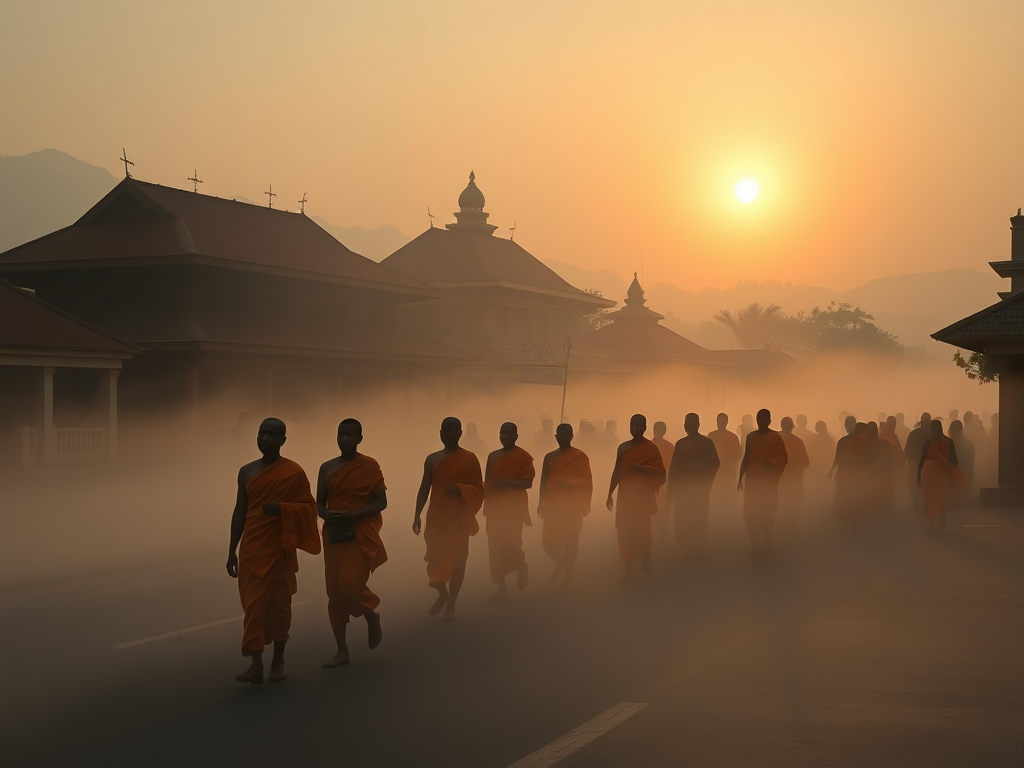
Saffron-robed monks walk barefoot through the mist.
Locals kneel with sticky rice offerings.
This daily ritual, known as Tak Bat, is centuries old.
It is not a performance.
It is devotion.
Visitors must:
- Dress modestly.
- Keep distance.
- Remain quiet.
Participate respectfully or observe discreetly.
This is not sightseeing.
It is witnessing continuity.
Night Markets and Living Craft
When the sun sets, lanterns flicker along Sisavangvong Road.
Textiles shimmer under soft light.
Hand-carved wooden bowls stack in neat rows.
The air smells of grilled river fish and coconut pancakes.
Here, bargaining is conversation.
Craft is heritage.
Food is biography.
Luang Prabang teaches you how to slow down.
“Misty dawn in Luang Prabang with monks in saffron robes walking silently, soft golden light reflecting off colonial buildings, peaceful and spiritual atmosphere.”
Practical Travel Insights
- Best season: November to February.
- Stay in locally owned guesthouses.
- Visit Kuang Si Waterfalls early morning.
- Respect temple etiquette at all times.
You may later link this section internally to a post titled:
“Slow Travel in Southeast Asia: Why Less Movement Means More Meaning.”
Valparaíso, Chile
A City That Paints Its Own Gravity
If Luang Prabang whispers, Valparaíso laughs loudly in color.
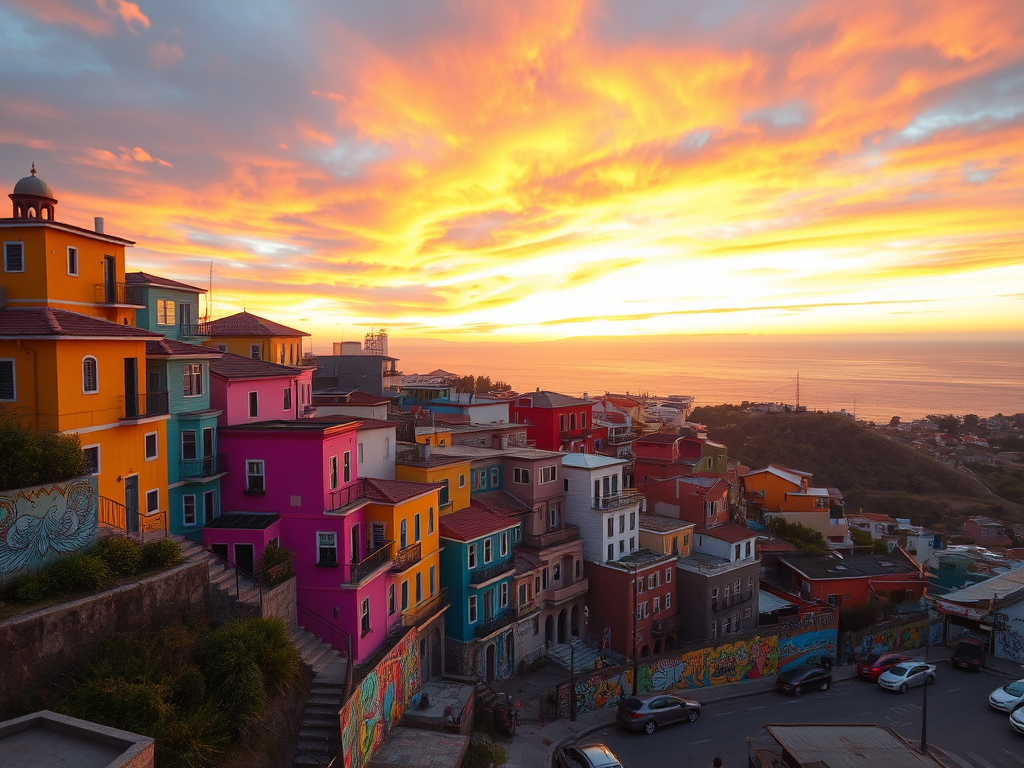
Perched on steep cliffs along Chile’s Pacific coast, this port city is unapologetically artistic.
Houses stack like mismatched blocks.
Walls explode in murals.
Music drifts from open windows.
Valparaíso feels improvised — and that is its charm.
The Cerros: Hills With Personality
The city spreads across hills called cerros.
Each one feels distinct.
Cerro Alegre: bohemian cafés and galleries.
Cerro Concepción: street art labyrinths.
Other hills: raw, residential, unfiltered.
Historic funicular elevators — ascensores — creak upward like mechanical time capsules from the 1890s.
They tilt.
They groan.
They endure.
Street Art as Public Dialogue
Here, art is not decorative.
It is political. Personal. Playful.
Murals address:
- Inequality
- Identity
- Migration
- Hope
You do not simply observe Valparaíso.
You interpret it.
“Colorful hillside houses in Valparaíso covered in bold street art murals, overlooking the Pacific Ocean, vibrant sunset sky.”
Cultural Depth
Pablo Neruda once lived here.
His home, La Sebastiana, overlooks the sea like a poet guarding the horizon.
Travel tips:
- Visit December–March.
- Join a local street art walking tour.
- Explore beyond Instagram-famous streets.
Consider linking to a future article:
“Street Art Capitals of the World.”
Matera, Italy
Where Civilization Carved Itself Into Stone
Matera does not look built.
It looks excavated from memory.
One of the world’s oldest continuously inhabited cities, Matera’s Sassi district consists of limestone cave dwellings carved thousands of years ago.
Once considered a symbol of poverty.
Now reborn as cultural treasure.
Matera proves cities can reinvent themselves without erasing their past.
Sleeping Inside History
Boutique hotels now inhabit ancient caves.
But restoration is subtle.
Stone remains exposed.
Lighting is warm, restrained.
Modern comfort meets prehistoric architecture.
It feels like inhabiting archaeology.
Sunset in the Sassi
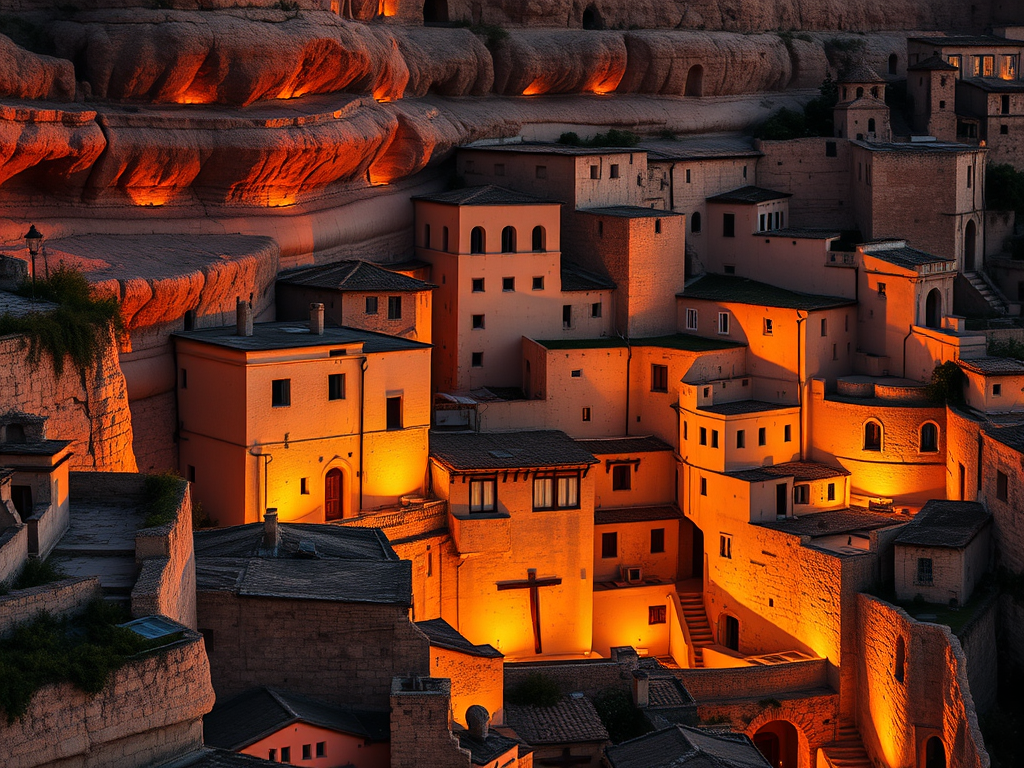
As dusk falls, limestone turns amber.
Shadows lengthen.
Church bells echo.
The entire city glows as if lit from within.
Walking here feels like crossing centuries.
“Golden sunset over Matera’s Sassi cave dwellings, warm limestone glowing, dramatic shadows and ancient atmosphere.”
Practical Notes
- Visit spring or autumn for mild temperatures.
- Book cave hotels in advance.
- Explore nearby Gravina canyon trails.
Internal linking idea:
“Ancient Cities That Reinvented Themselves.”
George Town, Penang, Malaysia
Where Cultures Collide and Create
George Town is not just multicultural.
It is interwoven.
British colonial buildings stand beside Chinese clan houses and Hindu temples.
Street art interacts with history.
Food fuses migration stories into flavor.
Few cities express cultural layering so vividly.
Architecture as Archive
Walk along Armenian Street.
Colonial columns cast shadows.
Chinese shop houses line the street.
Indian temples ring with bells.
The city is a living archive of empire, migration, and resilience.
Street Art That Invites You In
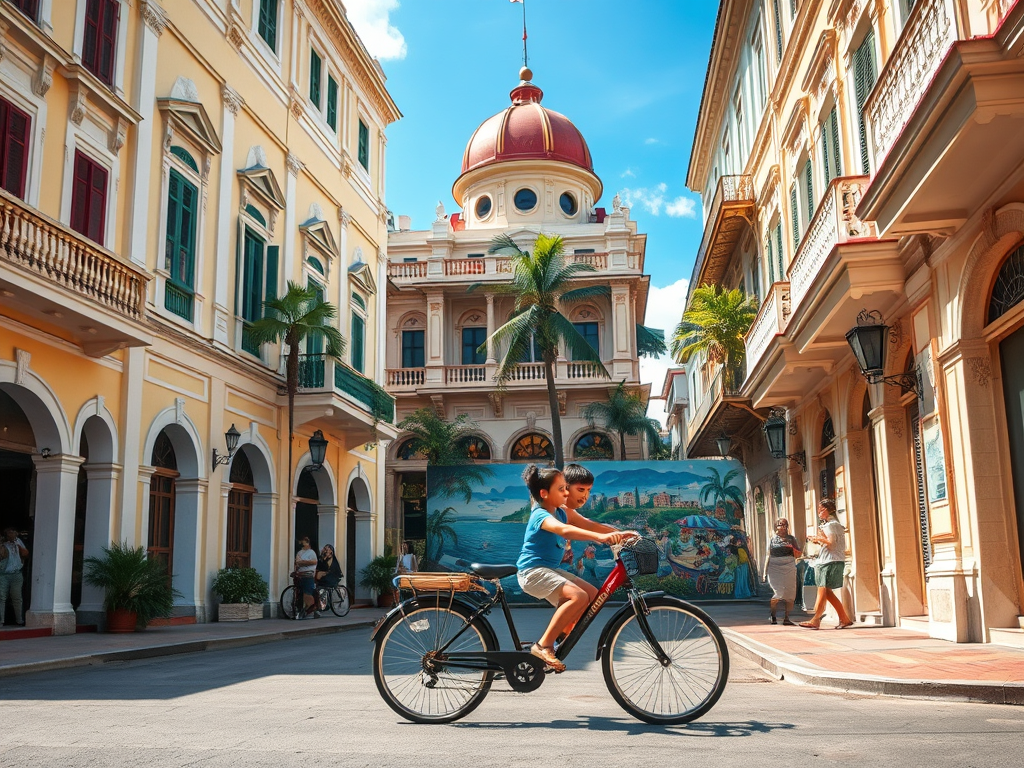
Ernest Zacharevic’s murals transform walls into scenes you can enter.
Children on bicycles.
Figures peeking from windows.
The art interacts with the environment.
You become part of the story.
“George Town street scene with colonial architecture, interactive mural of children on a bicycle, colorful and lively multicultural atmosphere.”
Food as Cultural Map
Penang is considered one of Asia’s culinary capitals.
Signature dishes:
- Char Kway Teow
- Assam Laksa
- Nasi Kandar
Each dish reflects layers of migration — Malay, Chinese, Indian.
To eat here is to study history.
Travel tips:
- Eat at hawker centers early evening.
- Walk instead of driving.
- Respect temple customs.
Possible internal link:
“Best Food Cities in Southeast Asia.”
Why Hidden Cities Change You
They Require Presence
Famous cities overwhelm.
Hidden cities demand attention.
You notice:
- The rhythm of footsteps.
- The sound of local dialect.
- The texture of walls.
Attention deepens experience.
They Resist Performance
Hidden cities do not exist for tourism.
They exist for themselves.
You adapt to them.
Not the other way around.
That shift humbles you.
Sustainable Exploration: Protect What You Discover
- Travel off-season when possible.
- Support local businesses.
- Avoid viral overexposure.
- Learn cultural etiquette before arrival.
- Leave places better than you found them.
Hidden gems survive only if travelers respect them.
📌 Summary
Luang Prabang offers spiritual stillness.
Valparaíso offers artistic rebellion.
Matera offers ancient reinvention.
George Town offers multicultural brilliance.
Hidden cities:
- Avoid overtourism pressures.
- Preserve authentic culture.
- Deliver deeper emotional impact.
They are not secondary destinations.
They are primary experiences.
💡 Key Travel Insights
✔ Seek narrative, not notoriety.
✔ Prioritize immersion over landmarks.
✔ Travel slowly.
✔ Support local economies.
✔ Protect cultural integrity.
Final Thought
The world does not need more tourists.
It needs better travelers.
The most unforgettable journeys begin when you step away from the obvious and lean into the quiet corners of the map.
Hidden cities are not hidden because they lack beauty.
They are hidden because they have not yet been consumed.
Go gently.
Go curiously.
Go deeper.
And when you return, you will not just have photos.
You will have perspective.
Upgrade your workspace with a keyboard and mouse combo designed for modern productivity.
The Logitech MK470 Slim delivers ultra‑quiet typing, a compact layout, and reliable 2.4 GHz wireless performance—everything you need for a cleaner, faster, more focused workflow
Leave a Reply