ChatGPT does not require technical knowledge. If you can explain a problem to a patient friend, you can use it. You master it by spending twenty minutes a day for a month on real tasks, not by studying how it works. The whole skill comes down to two habits: asking clearly and checking the answer.
1. Why Technical Knowledge Was Never the Barrier
It is a conversation, not a program
Most software asks you to learn its rules. ChatGPT works the other way around. You write in plain language, and it answers in plain language.
There are no commands to memorize and no menus to master. If an answer misses the point, you say so and ask again. The worst outcome is a poor answer, and you can simply try again.
You already have the skill that matters
The quality of the answer depends on the quality of the question. A good question is specific and gives context. It says what you need and why.
Decades of writing letters, running meetings, and explaining yourself to doctors and bankers have trained you for this. Younger users often type vague requests and get vague answers. People with long experience tend to know exactly what they are missing.

The real obstacle is hesitation
The people who struggle most are not the slowest learners. They are the ones who treat the tool as a test they might fail. They ask careful, abstract questions, get generic answers, and conclude it is useless.
I came to this technology late in life, and I recognize that hesitation. [Add one or two sentences here about your first awkward experience with ChatGPT.] What helped was dropping the idea of “learning” it and starting to use it.
2. Your First Week, Step by Step
Day 1: Open it and ask something small
Go to the official ChatGPT website or install the app from your phone’s official store. Create an account with your email. Free access has generally been available, but plans and limits change, so check the current terms on the site.
Then ask something ordinary. “Explain in simple terms what a Medicare supplement plan is” works well. You are only learning how it feels to talk to it.
Days 2 and 3: Bring one real task
Pick something you have been putting off. A letter to an insurance company, a bill you don’t understand, or a message you can’t quite word.
Describe the situation the way you would to a knowledgeable friend. Say who the letter is to, what happened, and what you want. Then read the draft and change whatever doesn’t sound like you.
Days 4 to 7: Learn the follow-up
The first answer is rarely the best one. The real skill is the second and third message.
Try phrases like these:
- “Make it shorter and more polite.”
- “Explain that last point again, as if I’d never heard of it.”
- “What am I likely to have forgotten?”
By the end of the week, you will notice that you are steering the conversation. That is mastery, and it needs no technical knowledge.

3. Everyday Uses That Pay Off Quickly
Understanding documents you can’t read
Paste in the confusing paragraph, not the whole document. Ask, “What does this mean in plain language, and is there a deadline I need to act on?”
Medical bills, insurance notices, and lease terms become readable this way. Treat the explanation as a starting point and confirm important details with the company or an advisor.
Preparing for appointments
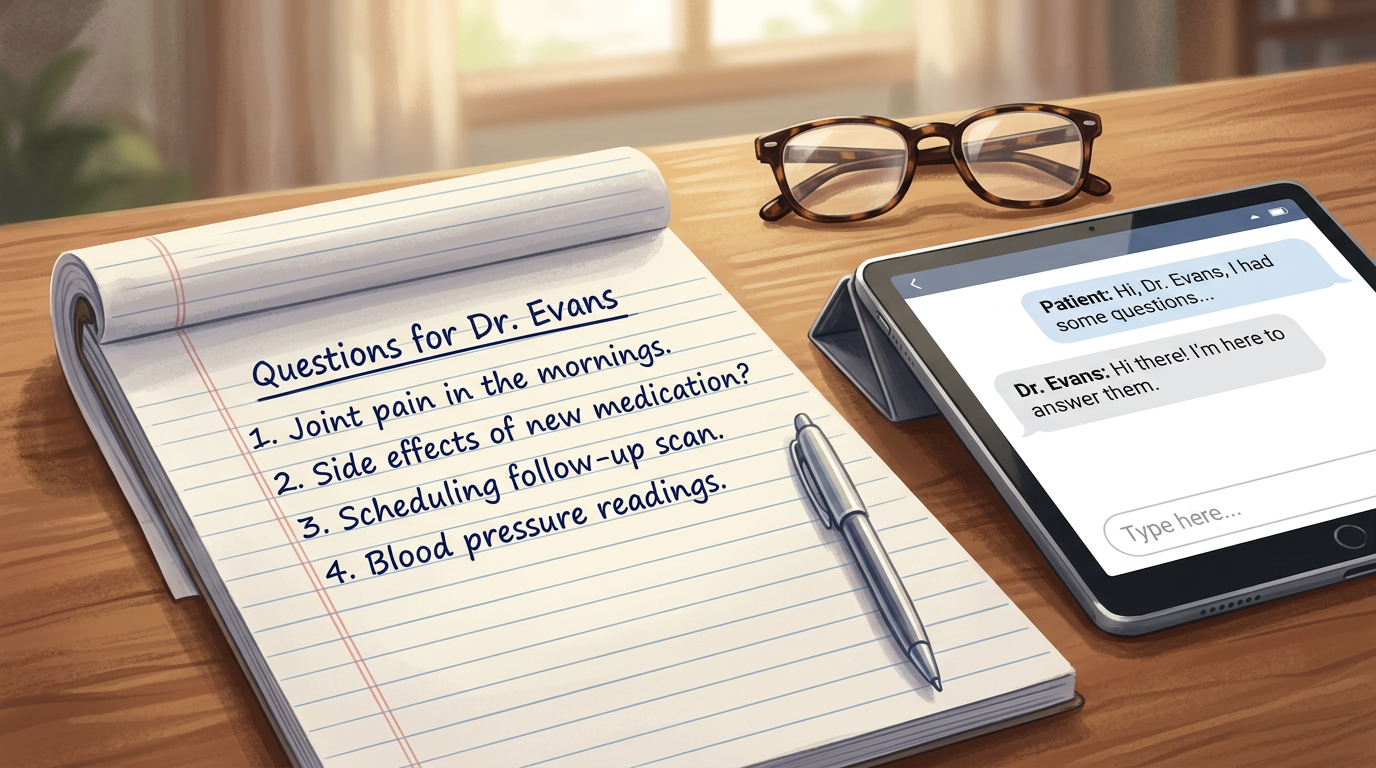
Before a doctor’s visit, write down your symptoms and worries in your own words. Ask ChatGPT to organize them into a short list of questions. Then print the list or write it on a notepad.
Appointments are short and information comes fast. A prepared list means you leave with fewer regrets. This is one of the most practical uses I know. [Add a sentence here about how preparing for an appointment worked for you, if it did.]
Writing and learning
It helps with letters, emails, and speeches, and it explains subjects you were never taught. Ask for a history of something you’ve always wondered about, and keep asking follow-up questions as you would with a good tutor.
Always rewrite the final version in your own voice. Read it aloud. If a sentence doesn’t sound like you, change it.

4. Cautions I Hold To
Check anything that matters
ChatGPT can state wrong things confidently. It can also be out of date. For medical, legal, and financial matters, treat its answer as a draft of your understanding.
Confirm with your doctor, an attorney, or an official source before you act. You can also ask it directly: “How sure are you, and what should I double-check?”
Guard your private information
Never type your Social Security number, bank account numbers, or passwords into any chat. You can describe your situation in general terms and still get a useful answer. Privacy settings differ by service and change over time, so review them occasionally.
Don’t paste in whole medical records either. Share only what is needed for the question.
Don’t let it replace people
ChatGPT is a good assistant. It is not a friend, a doctor, or a family member. I use it to prepare for conversations, not to avoid them.
Be careful about scams as well. Criminals also use AI to write convincing messages. If an unexpected message asks for money or personal details, confirm it through a number or website you already trust.

Han Jong-woo’s 3 Key Tips
- Start with a real task, not a test question. The letter you’ve been avoiding teaches more than any tutorial.
- Use the follow-up. The second and third message turn a plain draft into something useful.
- Verify and protect. Check important facts and keep your private numbers out of the chat.
You have spent a lifetime learning how to ask good questions. This week, open ChatGPT and put that skill to work on one small problem. The rest will follow in its own time.
<< You might also like >>
Is AI Too Hard to Learn After 60?
Leave a Reply