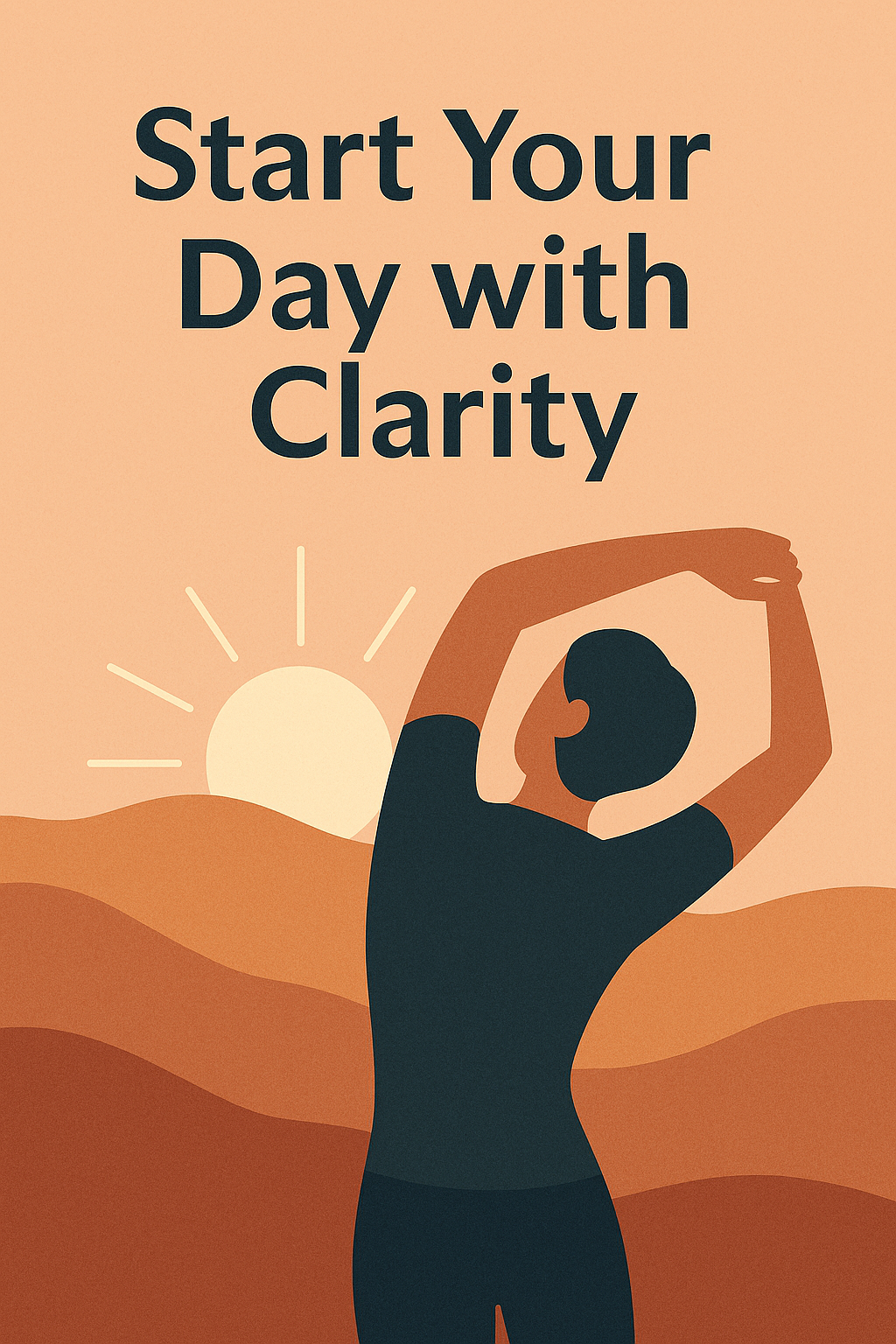
A Science-Backed Guide That Works Without Motivation or Willpower
Conclusion First
You do not need motivation to become a morning person.
You do not need discipline.
And you definitely do not need to “force yourself.”
What you need is small, brain-friendly habits that quietly retrain your nervous system.
This guide explains exactly how to become a morning person, why mornings amplify productivity, and how to build focus without burnout.
Everything here is grounded in neuroscience, behavioral psychology, and real-world practicality.
Why Becoming a Morning Person Changes Everything
Morning hours are not magical.
Your brain chemistry is.
In the first 2–3 hours after waking:
- Cortisol rises naturally.
- Distractions are lower.
- Decision fatigue is near zero.
This is when:
- Focus is easier.
- Learning is faster.
- Creativity feels lighter.
Morning people are not superior.
They are better aligned with their biology.
Why Motivation Fails (And Habits Don’t)
Motivation is unreliable.
It depends on:
- Mood
- Sleep
- Stress
- Emotions
Habits bypass all of that.
Your brain prefers:
- Predictability
- Low effort
- Repetition
The goal is not to wake up early.
The goal is to make waking up feel safe and automatic.
Seven Simple Habits to Become a Morning Person
These habits work because they are small enough to avoid resistance.
1) Move Your Wake-Up Time by 5 Minutes
Not 30 minutes.
Not an hour.
Just five minutes.
Why it works:
- The brain resists large change.
- Small shifts feel non-threatening.
Do this every 3–4 days.
Your circadian rhythm adjusts quietly.
2) Get Sunlight Within 5–10 Minutes of Waking
Sunlight is the most powerful wake-up signal.
It:
- Stops melatonin.
- Boosts cortisol.
- Anchors your body clock.
Even cloudy light works.
No sunglasses.
No phone.
Just light.
A calm morning scene: a person standing near a window or balcony, soft sunlight touching their face, city or nature waking up slowly.

3) Create a “First Action Ritual”
Your first action matters more than your alarm time.
Choose something simple:
- Drink water.
- Make your bed.
- Stretch for 60 seconds.
This creates an immediate win.
Wins trigger dopamine.
Dopamine creates momentum.
4) Avoid Your Phone for the First 20 Minutes
Notifications hijack attention instantly.
They:
- Activate stress circuits.
- Scatter focus.
- Destroy calm momentum.
Your brain needs a quiet transition.
Protect the first 20 minutes.
5) Build a 10-Minute Night Routine
Good mornings begin the night before.
A simple routine:
- Dim the lights.
- Warm shower.
- One page of reading.
This tells your brain:
“Sleep is coming. Prepare.”
Consistency matters more than duration.
6) Repeat the Same Routine Daily
Routine reduces decision fatigue.
Your brain stops asking:
“What should I do now?”
It saves energy for:
- Thinking
- Creating
- Solving problems
This is how productivity compounds.
7) Move Your Body for 10 Minutes
Movement wakes the brain.
It:
- Boosts dopamine.
- Improves mood.
- Sharpens focus.
You do not need a workout.
Just:
- Walking
- Yoga
- Light stretching
- Squats
A person doing light morning movement in a minimalist room, no phone present, calm and focused energy.

Mastering Calm: Yoga & Meditation for Modern Stress
Why Morning Productivity Feels Easier
Morning productivity is not about time.
It is about mental clarity.
Before noon:
- The brain has fewer open loops.
- Emotional noise is lower.
- Attention is more stable.
This is why one focused morning hour can outperform three distracted evening hours.
Three Science-Backed Methods to Improve Focus
Morning habits prepare the brain.
Focus techniques sustain it.
1) Use Sound to Stabilize Attention
Certain sounds help the brain stay in beta wave focus.
Effective options:
- White noise
- Lo-fi beats
- Repetitive classical music
Avoid lyrics.
Avoid novelty.
Consistency keeps attention anchored.
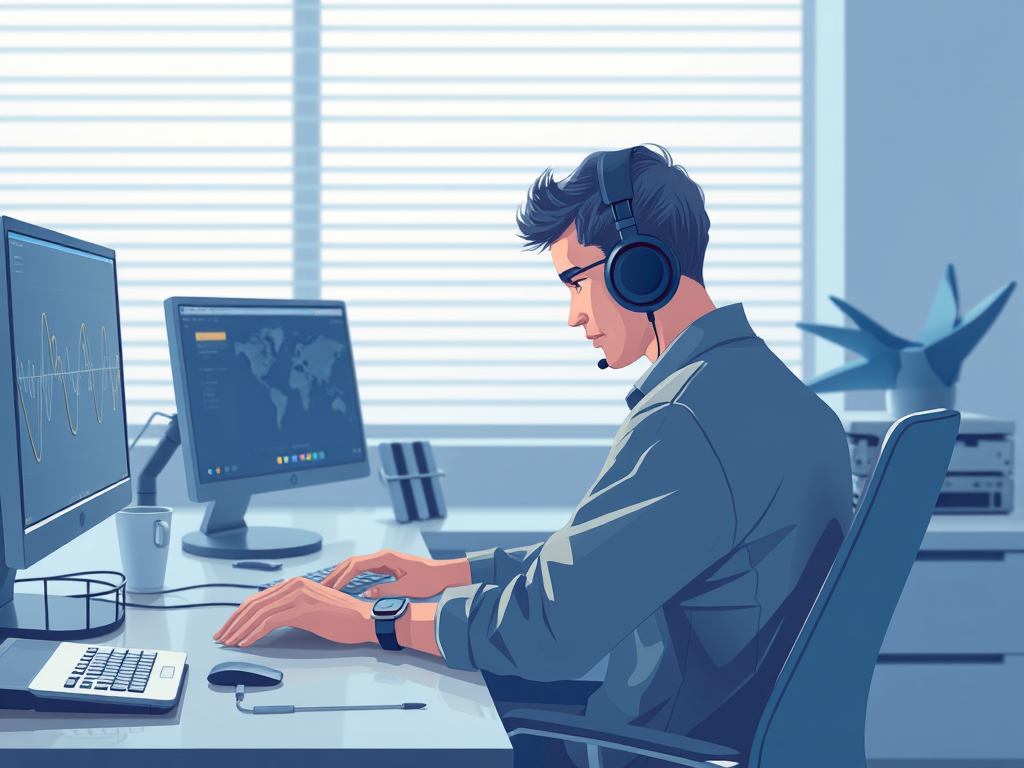
A focused workspace with headphones, soft sound waves illustrated around the head, minimal distractions.
2) Apply the Pomodoro Technique
The brain works best in cycles.
The classic structure:
- 25 minutes focus
- 5 minutes rest
This:
- Prevents burnout.
- Maintains energy.
- Reduces procrastination.
During breaks:
- Stand up.
- Look far away.
- Breathe.
No scrolling.
3) Avoid Multitasking Completely
The brain cannot multitask.
It switches.
Each switch:
- Burns energy.
- Reduces accuracy.
- Slows progress by up to 40%.
Single-tasking feels slower.
But it finishes faster.
The Hidden Enemy: Decision Fatigue
Every decision drains mental energy.
Morning routines reduce:
- What to wear.
- What to eat.
- What to do first.
This preserves energy for:
- Creative work.
- Strategic thinking.
- Learning.
Successful people automate mornings for a reason.
How Long Does It Take to Become a Morning Person?
Most people notice change in:
- 7–10 days for energy.
- 14–21 days for habit stability.
- 30 days for identity shift.
You stop saying:
“I wake up early.”
You start saying:
“This is just how I live.”
Common Mistakes That Ruin Morning Habits
Avoid these:
- Changing everything at once.
- Using alarms aggressively.
- Sleeping late on weekends.
- Expecting instant motivation.
Slow beats fast.
Consistency beats intensity.
Morning Routines for Different Lifestyles
Busy Professionals
Focus on:
- Light exposure
- No phone
- 10-minute movement
Creatives
Focus on:
- Silence
- Journaling
- Early deep work
Parents
Focus on:
- One anchor habit
- Predictability
- Self-compassion
No routine is perfect.
Only sustainable ones work.
Why This Approach Works Long-Term
This system:
- Respects biology.
- Avoids willpower.
- Builds identity gradually.
You are not forcing change.
You are training your brain.
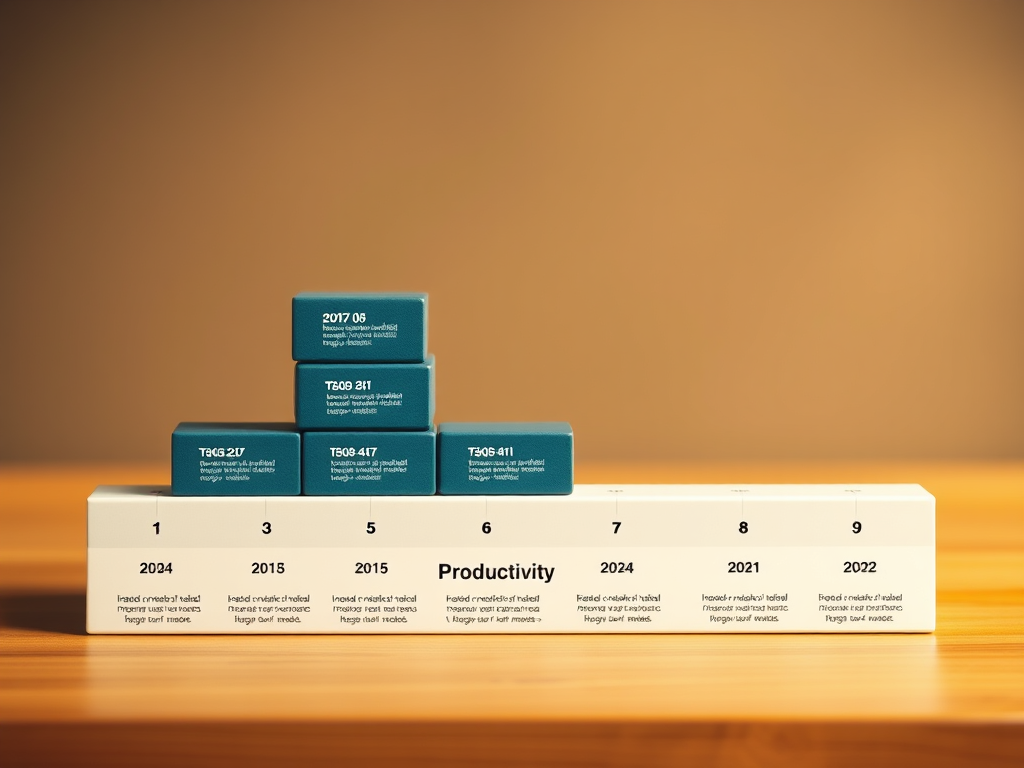
A timeline showing small daily habit blocks stacking into a strong, stable structure labeled “Productivity.”
📌 Summary
Becoming a morning person does not require motivation.
It requires:
- Small shifts
- Light exposure
- Simple routines
- Attention protection
- Repetition
Mornings become productive when the brain feels safe, clear, and unstressed.
💡 Key Takeaways & Practical Tips
Small changes beat big goals
Sunlight is stronger than coffee
Protect the first 20 minutes
Routine saves mental energy
Focus is trained, not forced
Final Thought
You do not need to wake up early to be impressive.
You wake up early to give your brain
space, clarity, and control
before the world asks for your attention.
Productivity is not about doing more.
It is about starting better.
For more ideas to support a balanced and intentional life, explore the full Health & Wellness Hub.
<< You Might Also Like >>
Science‑Based Strategies for Better Sleep
The Essential Guide to Intermittent
“The Ultimate Winter Skincare Routine for 2026”
“How to Recover After the Holidays in 7 Days”
“Build Your Strongest Winter Body at Home”
It’s never too late to learn, grow, and discover new possibilities.
Explore the books of Han Jong-Woo, where artificial intelligence, lifelong learning, personal growth, andIt’s never too late to learn, grow, and discover new possibilities.
Explore the books of Han Jong-Woo, where artificial intelligence, lifelong learning, personal growth, and meaningful living come together to inspire your next chapter.
Whether you’re curious about AI, seeking purpose, or simply looking for fresh inspiration, you’ll find books designed to encourage, empower, and enrich your life.
▶ Visit Han Jong-Woo’s Amazon Author Page and discover all of his books today. meaningful living come together to inspire your next chapter.
Leave a Reply