
How Smaller Homes Are Reshaping Wealth, Freedom, and Modern Living
Conclusion first:
Micro housing is no longer about minimalism or lifestyle aesthetics.
It has become a deliberate financial strategy.
Rising interest rates.
Unaffordable mortgages.
Unstable job markets.
In response, people are using smaller living spaces to regain control over cash flow, reduce financial risk, and build long-term flexibility.
This is not about “living with less.”
It is about owning more of your life.
What Is Micro Housing?
A Simple Definition
Micro housing refers to compact living spaces, typically:
- 150–500 square feet
- Designed for efficiency
- Often modular or multi-functional
Examples include:
- Micro apartments
- Tiny houses
- Studio condos
- Modular and prefab units

“Modern micro apartment interior, compact but stylish, multi-functional furniture, bright natural light”
🏢 REITs vs Rental Properties: The Easiest Passive Income
Why Micro Housing Is Growing Worldwide
Housing Costs Are Outpacing Income
In most major cities:
- Home prices rise faster than wages
- Rent consumes 30–50% of income
- Interest rates increase total lifetime costs
Micro housing reduces exposure to these pressures.
Smaller space = smaller financial obligation.
Younger Generations Are Rethinking Ownership
Millennials and Gen Z value:
- Mobility
- Flexibility
- Financial resilience
They prioritize freedom over square footage.
Micro housing aligns perfectly with this shift.
Micro Housing as a Financial Strategy
Lower Fixed Costs Create Financial Leverage
Housing is usually the largest monthly expense.
Micro housing lowers:
- Mortgage or rent
- Utilities
- Maintenance
- Property taxes
That difference compounds over time.
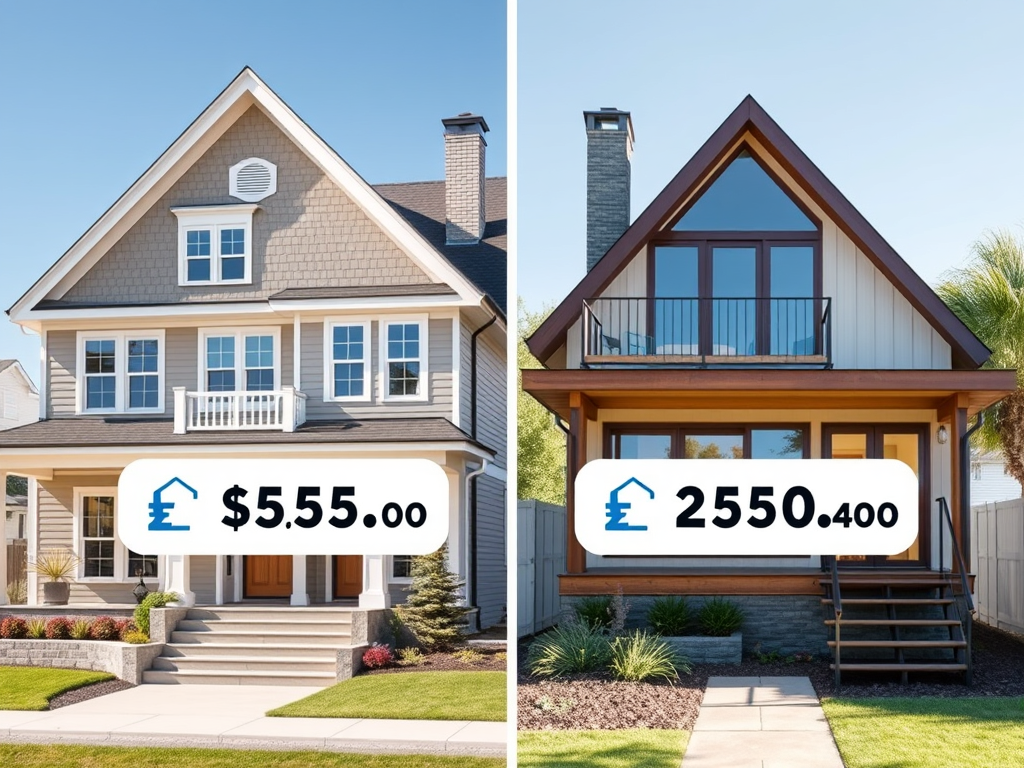
“Side-by-side comparison: large house vs micro home with cost breakdown icons”
Reduced Risk in Uncertain Times
Large homes lock people into:
- Long-term debt
- High fixed obligations
- Limited exit options
Micro housing allows:
- Faster downsizing
- Easier relocation
- Lower break-even point
In volatile economies, flexibility is power.
The Cash Flow Advantage
Monthly Savings Become Investable Capital
Lower housing costs free cash for:
- Index investing
- Retirement accounts
- Emergency funds
- Skill development
Many micro housing residents invest the difference instead of upgrading lifestyle.
The Math Is Hard to Ignore
Example:
- Traditional housing cost: $2,500/month
- Micro housing cost: $1,200/month
- Difference: $1,300/month
Invested at 7% annually for 20 years → six figures.
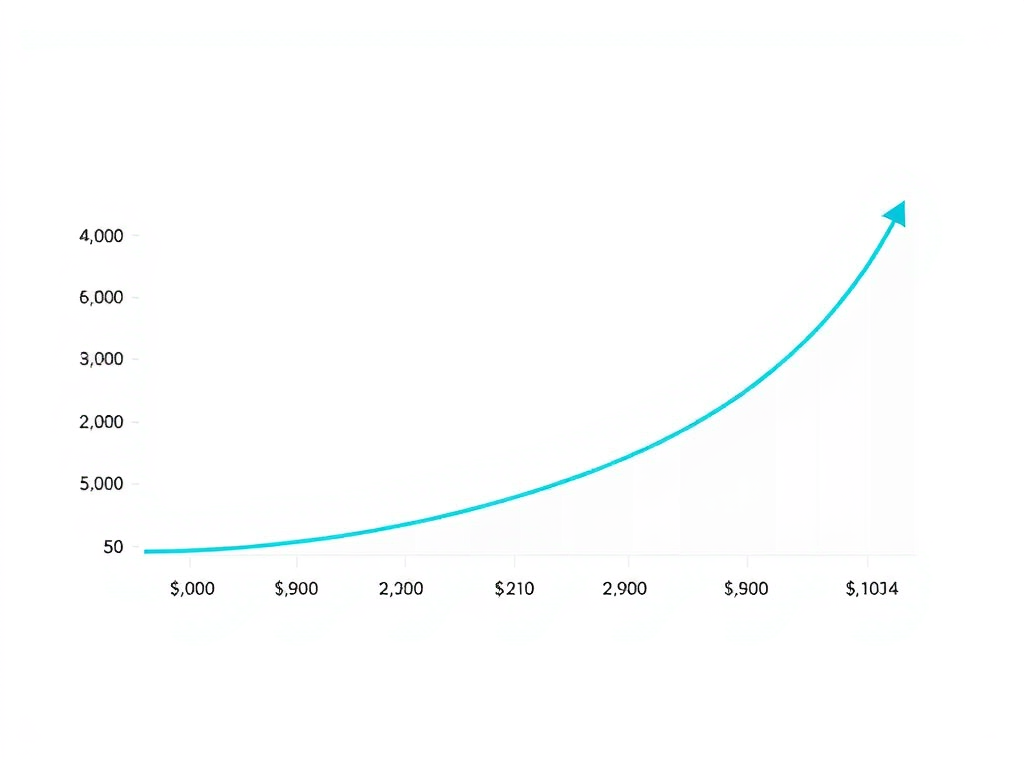
“Simple financial growth chart showing savings invested over time from reduced housing costs”
Micro Housing vs Traditional Real Estate
Liquidity Matters More Than Size
Large homes are:
- Illiquid
- Expensive to sell
- Market-dependent
Micro units:
- Sell faster
- Rent more easily
- Adapt to demand changes
Liquidity is often overlooked in housing decisions.
Maintenance Is a Hidden Wealth Killer
Bigger homes mean:
- Higher repair costs
- Aging infrastructure
- Constant upgrades
Micro housing reduces maintenance friction.
Less space = fewer problems.
Invisible Systems: The New Rules of Financial Resilience in 2026
The Psychological Shift: Space vs Control
Smaller Homes Reduce Decision Fatigue
Less space creates:
- Less clutter
- Fewer distractions
- Lower mental load
People report improved focus and clarity.

“Minimalist micro living space with calm, organized atmosphere”
Ownership Feels Different When Costs Are Low
When housing costs are manageable:
- Work becomes optional, not mandatory
- Risk-taking increases
- Burnout decreases
This psychological safety is priceless.
Micro Housing and the Rise of Remote Work
Location Matters Less Than Ever
Remote work enables:
- Living in lower-cost areas
- Smaller personal footprints
- Geographic arbitrage
Micro housing works best when work is location-flexible.
Mobility Is a Career Advantage
Micro housing supports:
- Short-term relocations
- Digital nomad lifestyles
- Portfolio careers
Stability no longer requires permanence.
Investment Opportunities in Micro Housing
Micro Units as Rental Assets
High demand drivers:
- Students
- Single professionals
- Short-term renters
Micro units often generate higher yield per square foot.
REITs and Modular Housing Funds
For passive investors:
- Modular housing REITs
- Urban micro-living developments
- Affordable housing ETFs
These reflect long-term demographic trends.

“Modern modular micro housing complex in an urban environment”
Common Objections (And Why They Fail)
“It Feels Too Small”
Design solves this.
- Vertical storage
- Multi-use furniture
- Smart layouts
Function matters more than size.
“What About Family Life?”
Micro housing is often:
- Transitional
- Strategic
- Part of a phased life plan
It is not always permanent.
It is intentional.
Micro Housing Is Not Minimalism
This Is Not About Deprivation
Micro housing is not:
- Extreme minimalism
- Lifestyle austerity
- Anti-comfort living
It is about capital efficiency.
The New Status Symbol Is Flexibility
Today’s wealth signals:
- Low fixed costs
- High optionality
- Time autonomy
Micro housing supports all three.

“Person working comfortably in a small modern home with laptop and coffee”
Who Benefits Most From Micro Housing?
Ideal Candidates
- First-time buyers
- Early retirees
- Remote workers
- Solo professionals
- Investors
Micro housing fits strategic thinkers.
The Long-Term Outlook
Cities Are Adapting
Trends include:
- Zoning changes
- Modular construction
- Density-focused planning
Micro housing is becoming institutionalized.
Financial Literacy Drives Adoption
As people understand:
- Opportunity cost
- Compounding
- Risk exposure
Micro housing adoption accelerates.
How to Start Exploring Micro Housing
Practical First Steps
- Track current housing cost percentage
- Model alternative scenarios
- Explore modular options
- Visit micro living spaces
Start with numbers, not emotions.
Summary
Micro housing is not a trend.
It is a response to financial reality.
Key takeaways:
- Smaller homes reduce financial risk
- Cash flow improves investment potential
- Flexibility becomes a long-term advantage
- Psychological relief matters as much as money
Key Tips
- Housing is a financial tool, not just shelter
- Lower fixed costs increase freedom
- Flexibility beats size in uncertain times
- Micro housing is a strategy, not a sacrifice
Stream Your Favorites Faster & Better!
📺Why wait? Upgrade to Amazon Fire TV and enjoy lightning-fast streaming and thousands of apps at your fingertips. It’s time to level up your TV game! 🚀
Leave a Reply